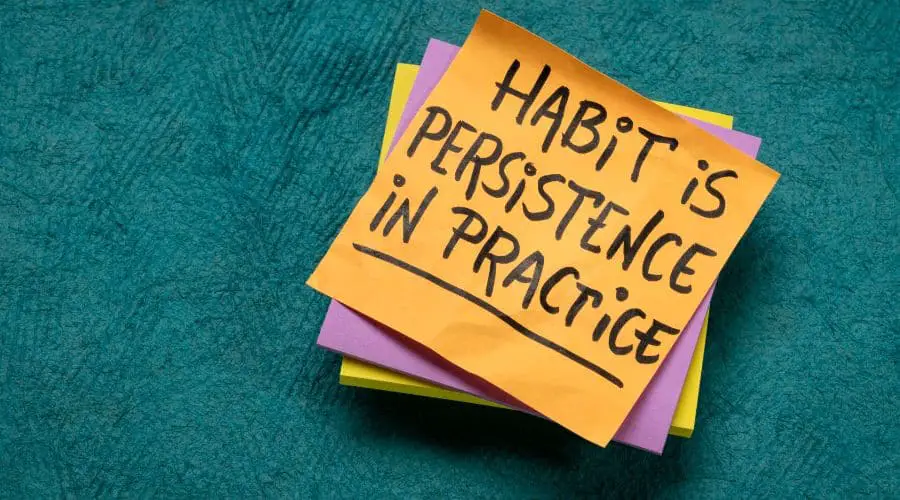
Why you should make a difference in life

Where are you going? What is it you want to achieve in life? Would you like to make a difference while still on Planet Earth?

If you’re anything like me, dear reader, you’ll be asking yourself questions like these quite frequently.

However, any vision you have for your life should not just involve some notion of what you want to achieve, surely?

In looking to the future, your vision should also include something you would like to leave behind, don’t you think?

I’m talking about your legacy.

In other words, what will you leave behind for future generations?

Make A Difference
Make Money

Fundamental question:

If you’re to leave a lasting legacy, there’s a more fundamental question you should be asking yourself, and that is:

Developing a clear idea of what you want your legacy to be will focus your attention on what you need to do to achieve it.

This will involve more than just establishing priorities. It requires you to consider what matters to you.

Once you know what truly matters to you, you’ll know where to focus all your energy.

If you can connect with your highest values, then this will have a profound effect on your behaviour.

That, in turn, should provide you with the motivation and drive to pursue your life’s purpose. Your raison d’etre.

A price must be paid:

However, you should recognise this fact too. If your life’s purpose is to be achieved, then there’s a price to be paid. There’s nothing for free in this life, that’s for sure. And that’s why you’ll need to be driven.

This leads us to the next question: How do you turn your vision into reality?

Like every journey, it starts with the first step.

You think about what needs to be done, but not for too long, and then you start doing it, and you keep going until you get to where you want to be.

Saily eSIM

The best time is now:

Like many people, you may be thinking that you have to have everything ‘just right’ before you can begin to achieve your aims. That’s not so, dear reader.

If you wait for everything to be perfect, then it’ll never happen. So the best time to start is right now. A year ago may have been better, of course, but failing that right now is best.

The danger with waiting for everything to be perfect is that you delay and delay and never get any traction on moving things closer to where you want to be.

Your life’s purpose will only become clearer as you experience life and gradually adjust your direction based on your experiences.

Every successful person goes through many experiences before they find the thing that will allow them to truly make a difference.

The importance of incremental change:

This is a process of incremental change that gradually takes you in the direction that is most appropriate for you.  And if you’re heading in that direction, you’re almost certainly reinforcing what works for you.

If you just keep moving in the right direction, you will achieve your goals. It may take longer than you’d like, and it may not be as dramatic as you thought it would be, but you will get there.

The keyword is perseverance.

Keep going until you achieve what you want to achieve.

Achievement is a confidence-builder.

The more you achieve, the more you believe you can achieve. With confidence and self-belief, you can achieve anything you want to achieve.

You’ll find, dear reader, if you haven’t already, that achievement and success change your experience of being alive.

Not only does it make you feel good about yourself, but as a natural consequence, it also produces what will become your legacy, which will make your life worth living and a life well-lived.

So make a difference while you still have the energy and the desire.

Please share this post on social media:

If you found this article useful, then please share it on social media with your friends.

When you share, everyone wins.

So go; please share it now, and I’ll be forever grateful. You’ll be helping a keen blogger reach a wider audience.

Your support is appreciated, dear reader. Thank you.

Articles you might find interesting:

How to Know If Your Phone Is Hacked

5 warning signs to watch out for:

If you’re wondering how to know if your phone is hacked, this article is for you.

Phones hold a wealth of personal information. A hacked phone can spell big trouble. Your private data, photos, and accounts could all be at risk.

Hackers may use your phone to send spam or make costly calls. They might even spy on you through your camera or the phone’s microphone.

Keeping your phone safe is key.

Strong passwords, careful app choices, and regular updates all help.

If you think your phone is hacked, act fast to protect yourself.

Changing passwords and running security scans can make a big difference.

Key Takeaways

  • Strange phone behaviour may point to hacking
  • Regular security updates protect against threats
  • Quick action can limit damage from a hacked phone
Saily eSIM
Make Money

Recognizing the Signs of a Hacked Phone

A hacked phone often shows several telltale signs. These can include strange apps, slow performance, high data use, battery issues, and odd messages.

Unfamiliar Apps and Performance Issues

Unfamiliar apps can be a clear sign of a hacked phone. Users may notice new apps they don’t remember downloading. These apps might run in the background, slowing down the phone.

Performance issues are another red flag. A hacked phone might:

  • Freeze or crash often
  • Take longer to open apps
  • Have trouble switching between apps
  • Show a slow internet connection

If a phone suddenly acts differently, it’s worth checking for hacking. Users should remove any suspicious apps right away.

High Data Usage and Battery Drain

Unusual data usage can point to a hacked phone. Hackers may use the device to send data without the owner knowing.

Signs of high data use include:

  • Unexpected charges on phone bills
  • Data limits reached faster than normal
  • Apps using more data than usual

Battery drain is also common in hacked phones. The battery might:

Users should check their data usage in phone settings and look for any odd patterns.

Pop-Ups and Suspicious Messages

Pop-up ads appearing more often can signal a hacked phone. These ads might show up even when no apps are open.

Other suspicious message types include:

  • Strange texts or emails from the user’s accounts
  • Social media posts the user didn’t make
  • Calls or texts to unknown numbers

Users should be careful about clicking any links in these messages. They might lead to more malware or attempts to steal personal info.

If a phone shows these signs, it’s important to act fast. Users should run anti-virus scans and change all passwords right away.

Understanding Phone Hacking and Its Dangers

Phone hacking poses serious risks to personal information and digital security. Hackers use various methods to gain unauthorized access to mobile devices, potentially exposing sensitive data.

Different Types of Malware and Spyware

Malware and spyware are common tools used in phone hacking. Malware is malicious software designed to damage or disrupt a device’s normal operation. Spyware secretly gathers information without the user’s consent.

Types of malware include:

  • Viruses: Self-replicating programs that spread to other files
  • Trojans: Disguised as legitimate software to trick users
  • Ransomware: Encrypts data and demands payment for its release

Spyware variants:

These malicious programs can drain battery life and slow down device performance. They often operate in the background, making them difficult to detect.

The Risks of Public Wi-Fi and Unsecured Connections

Public Wi-Fi networks and unsecured connections present significant risks for phone hacking. Hackers can easily intercept data transmitted over these networks.

Common threats include:

  • Man-in-the-middle attacks: Intercepting communications between two parties
  • Evil twin attacks: Creating fake Wi-Fi hotspots to lure unsuspecting users
  • Packet sniffing: Capturing and analyzing data packets for sensitive information

To protect against these risks:

  • Use a VPN when connecting to public Wi-Fi
  • Avoid accessing sensitive accounts on unsecured networks
  • Enable two-factor authentication for important accounts

Always verify the legitimacy of a public Wi-Fi network before connecting. Be cautious of networks with generic names or those requiring personal information to join.

The Impact of Phone Hacking on Personal Information

Phone hacking can have severe consequences for personal information. Hackers may gain access to sensitive data stored on the device or linked accounts.

Potential impacts include:

  • Identity theft: Using stolen information to impersonate the victim
  • Financial fraud: Accessing bank accounts or making unauthorized purchases
  • Data breaches: Exposing personal or work-related information

Unusual password resets or account signups may indicate a hacked phone. Hackers can use compromised devices to access linked accounts and change credentials.

Stolen personal information may end up on the dark web, where it can be sold to other criminals. This can lead to ongoing identity theft and fraud issues for the victim.

To minimize risks, regularly update device security settings and be cautious about granting app permissions. Back up important data and consider using encryption for sensitive information stored on the device.

Protecting Yourself from Phone Hacking

Phone security is vital in today’s digital world. Taking steps to safeguard your device can prevent unauthorized access and protect your personal information.

Using Strong Passwords and Two-Factor Authentication

Strong passwords are a key defence against hacking. Use a mix of uppercase and lowercase letters, numbers, and symbols. Avoid common words or personal info.

A password manager can help create and store complex passwords securely. This tool makes it easy to use unique passwords for each account.

Two-factor authentication adds an extra layer of security. It requires a second form of verification, like a fingerprint or code sent to another device. This makes it much harder for hackers to gain access, even if they get your password.

The Importance of Security Software and Updates

Security software is crucial for protecting phones from malware and viruses. Anti-malware apps scan for threats and remove them before they can cause harm.

Regular software updates are equally important. They often include security patches that fix vulnerabilities. Set your phone to update automatically to ensure you always have the latest protections.

A VPN (Virtual Private Network) adds another layer of security. It encrypts your internet connection, making it harder for hackers to intercept your data.

Recognizing and Avoiding Phishing Attempts

Phishing is a common tactic used by hackers to trick people into revealing sensitive information. Be wary of unexpected emails or messages asking for personal details.

Look for signs of phishing:

  • Urgent requests for information
  • Suspicious links or attachments
  • Poor grammar or spelling

Never click on links in suspicious emails. Instead, go directly to the official website by typing the URL into your browser.

Be cautious when downloading apps. Stick to official app stores and read reviews before installing. Fake apps can contain malware that compromises your phone’s security.

Steps to Take if Your Phone Is Hacked

If your phone is hacked, act quickly to remove the threat and protect your data. These steps will help you regain control of your device and prevent future attacks.

Removing Malware and Restoring Factory Settings

Start by scanning your phone for malware using a trusted antivirus app. If malware is found, remove it immediately. For persistent issues, perform a factory reset:

  1. Back up important data
  2. Go to phone settings
  3. Find “Reset” or “Factory Reset” option
  4. Follow prompts to erase all data

A factory reset should remove most malware and return the phone to its original state. After resetting, set up the phone as new instead of restoring it from a backup to avoid reintroducing malware.

Changing Passwords and Monitoring Financial Accounts

After removing malware, it’s crucial to change passwords for all accounts:

  • Email
  • Social media
  • Banking and financial apps
  • Cloud storage services

Use strong, unique passwords for each account. Enable two-factor authentication where possible for added security.

Check financial accounts for any suspicious activity. Contact banks or credit card companies if unauthorized transactions are found. Consider freezing credit reports to prevent identity theft.

Preventing Future Attacks and Reinforcing Security Measures

To avoid future hacks, follow these security best practices:

  • Keep software updated
  • Only download apps from official stores
  • Avoid clicking suspicious links
  • Use a VPN on public Wi-Fi
  • Be cautious with permissions for new apps

Install a reputable mobile security app for ongoing protection. Regularly review app permissions and remove unnecessary apps. Stay informed about common phone scams and phishing tactics to recognize potential threats.

Advanced Threats and Security Measures

Smartphones face sophisticated attacks that can bypass basic security measures. Protecting your device requires understanding these threats and taking proactive steps to secure your data and communications.

Identifying and Protecting Against Advanced Malware

Advanced malware can infect phones through sneaky methods. Trojans and keyloggers may hide in seemingly innocent apps. These threats can steal data or track your activities.

Signs of infection include:

• Unusual battery drain • Slow performance • Strange pop-ups • Unexplained data usage

To protect against malware:

  1. Only install apps from official stores
  2. Keep software updated
  3. Use antivirus software
  4. Avoid clicking suspicious links

If infected, boot into safe mode and delete suspicious apps. A factory reset may be needed for severe cases.

The Threat of SIM Swap Attacks and Juice Jacking

SIM swap attacks let criminals take over a phone number. This can bypass two-factor authentication and access accounts. Juice jacking happens when malicious public charging stations steal data or install malware.

To guard against SIM swaps:

• Use strong PINs on cellular accounts • Enable additional security with your carrier • Be wary of unexpected “SIM deactivated” messages

Avoid juice jacking by:

• Using your own charger and cable • Powering off before connecting to public USB ports • Carrying a portable battery pack

Leveraging Encryption and Secure Network Practices

Encryption protects data from unauthorized access. It scrambles information so only authorized parties can read it. Using secure networks also helps keep your phone safe.

Key encryption practices:

• Enable full-disk encryption • Use encrypted messaging apps • Create strong, unique passwords

For secure networking:

  1. Avoid public Wi-Fi when possible
  2. Use a VPN on unsecured networks
  3. Turn off Wi-Fi and Bluetooth when not in use
  4. Keep your phone’s software updated

These steps make it much harder for attackers to intercept your data or exploit vulnerabilities.

Knowing if your phone is hacked can be tricky. These common questions cover key signs to look for and steps to take if you suspect your device has been compromised.

What are the signs that indicate my phone may be hacked?

Unexpected apps appearing on your device can be a red flag. Apps that take a long time to load or open and close on their own may also point to hacking.

High data usage without explanation is another warning sign. If your phone bill is higher than normal, malware could be using up data in the background.

How can I detect if my phone has been compromised by a virus?

Poor battery life can indicate a virus. If the battery drains quickly even when not in use, malware may be running constantly.

Slow performance and frequent crashes are also common with infected phones. Apps may take longer to open or the device may freeze often.

What steps can I take to determine if my phone is being monitored?

Check for unusual noises during calls, like echoes or static. These can suggest someone is listening in.

Look for unexplained text messages or emails sent from your account. Hackers may use your phone to send spam.

How can I check for unauthorized access on my iPhone?

Review the list of trusted devices in your Apple ID settings. Remove any unfamiliar devices.

Check which apps have access to your location, camera, and microphone. Revoke permissions for apps you don’t use or trust.

Is there a way to confirm if my smartphone’s security is breached?

Check your IMEI number by dialing *#06#. If it’s different from your phone’s usual IMEI, someone may have cloned your device.

Look for persistent notifications that you can’t dismiss. These can be signs of malware running in the background.

How do I remove a hacker from my phone and secure my data?

Start by changing all your passwords, especially for important accounts like email and banking. Use strong, unique passwords for each account.

Update your phone and apps to the latest versions. Updates often patch security vulnerabilities that hackers exploit.

Consider a factory reset if the problem persists. This will remove all data and apps, including any malware.

About the author:


Please share this post with your friends:

If this article is useful to you, please share it on social media with your friends. When you share, everyone wins.

I appreciate your support. Thank you.

Other articles you might also find interesting:

How to find and do work you love, now and forever

How to find and do work you love? A great question for all you very intelligent readers to contemplate today.

Now, not everyone will find the answer, of course, but most people frequently ask this question in my experience.

Job satisfaction:

How many people would say they get job satisfaction from their work, in percentage terms?

Apparently, it’s only around 20%.

That would suggest that 80% of all people hate their jobs.

If true, I think that matters, and it’s especially relevant to society if you think about it. Why?

Quite simply, because it suggests that most people will not be quite as productive as they might otherwise be. Let’s face it, you can’t really be at your most productive if you’re not happy in your job.

A sense of purpose:

So dear reader, which side are you on?

Does the work you do place you in the 20% who enjoy job satisfaction, or are you one of the 80%?

Essentially, job satisfaction comes as a result of doing work that gives us a sense of purpose.

If we have a genuine sense of purpose, we’ll have a strong desire to do our work well. And we can only do it to the best of our ability if it really matters to us.

Doing our work well matters because that’s how we make a difference.

Hence, that’s how we make a contribution and leave a legacy behind us.

So in that sense, job satisfaction certainly matters.

Consider your work:

Does your work really matter to you?

And does it give you a sense of purpose? Perhaps it’s simply the means for paying your bills?

Do you get out of bed each morning looking forward to the day ahead?

No job is ever perfect, but given that work takes up a third of our lives, it’s essential we enjoy what we do and derive at least some job satisfaction from it.

Maybe there’ll be some elements of a given job we dislike, but mostly we should enjoy our work because that way we’re better placed to do it well.

In the inspirational TEDx Talk video embedded below, Scott Dinsmore explains how, during the early part of his career, he was encouraged to do any job just to build up his resumé.

However, he very quickly realized that this approach was unwise and resulted in no job satisfaction.

He makes his point with an excellent quote from Warren Buffett who said, “Taking any job just to build your resumé is like putting off s*x until your old age.”

Now, why would that make sense?

Experience is important, of course, but work should not just be about building your resumé.

Work should be about adding value and making a meaningful contribution to society.

It should be about using your skills and natural talent to make a difference to the lives of others.

So, if success is your aim, then the work you do must matter to you.

If you find work you enjoy, then job satisfaction will follow.

Put simply, if you like the work you do, you’ll do it well. And if you do it well, people will notice. And once people begin to notice you, then you’re on your way to achieving real success.

Make Money

Knowledge required:

The trick is to find work that you can’t not do.

Something you’d happily do for nothing if you couldn’t find someone to pay you to do it.

That’s the basis for real job satisfaction.

All of this is more easily said than done, of course.

Perhaps you’ve no idea about what matters to you in terms of work.

If you’re relatively young and new to the world of work, how could you possibly know? In that case, you need to start improving your basic knowledge and awareness.

1. Know yourself:

A good starting point for improving your knowledge is becoming a self-expert. Knowing just what you have in your arsenal.

  • What are your unique strengths?
  • What are your weaknesses?
  • What fills you with enthusiasm?
  • What fills you with dread?
  • What do you love to do?
  • What do you hate doing?

If I asked someone you knew well to tell me what you’re good at, what would they say?

  • For what activity do they regard you as the ‘go to’ person?
  • What do they regularly thank you for?
  • What would you do for fun if you couldn’t do it for a living?
  • On what activity can you lose yourself for hours at a time?

By answering these questions and others like them, you’ll get a better idea of what you’re looking for. And let’s face it, if you don’t know what you’re looking for, you’ll never find it.

2. Know your values:

What do you regard as your set of values? What moral framework matters to you when you’re making decisions?

What would you not do simply because you wouldn’t want to disappoint your family? What would make you feel proud if you were to tell your family that’s what you’re doing?

Anything you choose to do should be congruent with your own set of values.

3. Know your experiences:

The most powerful lessons in life come from the mistakes we make. The lessons we learn from our own mistakes and the things we’ve done are collectively known as experience. And experience is a valuable commodity.

Pay attention to your experience. Think about the things you’ve done right. Think about the things you’ve done wrong.

When have you felt completely in control of a situation, regardless of the challenges you face?

When have you felt completely out of your depth?

Think about the things you’ve enjoyed doing. Think about those activities you really hated.

4. Know what matters to you:

In crude but simple language, the underlying question here is, “What is it that you actually DO ‘give a sh*t’ about?

We tend to do stuff because other people suggest it’s what we should be doing. However, it really should be about what actually matters to us.

Identify what it is that makes you come alive and makes you feel energized.

John Lennon’s Aunt Mimi famously said, “Playing the guitar is all very well, John, but you’ll never make a living at it.

Fortunately, John didn’t listen to her, and his guitar helped him to make a very lucrative living because he really enjoyed writing songs and playing music.

In fact, his creative output continues to generate millions of dollars for his estate 45 years after his death.

John Lennon did well because he did something he enjoyed doing, and he didn’t allow himself to be influenced by those who thought he should pursue a different line of work.

Confidence compounds:

By working to your strengths, your confidence will grow.

Each success you have will improve your confidence. And as your confidence grows, one success will lead to another. It’s a virtuous circle.

Environment matters too:

Jim Rohn once said, “You’re the average of the five people you spend the most time with.

Personally, I think this is true.

The people around you really do matter.

They influence you, and their attitude rubs off on you.

Human beings are social animals, and we exist within groups. We also have to fit into the group otherwise we’re very quickly ostracized by other group members.

Hang around with people who inspire possibility. People who lift you up and not pull you down. Mix with people who will influence you in a positive way. Find role models from whom you can learn.

How to find and do work you love:

Scott Dinsmore’s mission is to change the world by helping people find what excites them and build a career around the work only they are capable of doing.

If you can find the work you are compelled to do, then you can add real value to your fellow human beings.

Discover what you’re really meant to do and you’ll be on to a winner.

You’ll also get maximum job satisfaction.

Therefore, in conclusion, if you’ve yet to find what you’re looking for, then keep looking until you do.

In the meantime, I recommend that you watch the video. It is thought-provoking and compelling, and it will be a good use of your time.

Please share this post with your friends:

Did you find this article and video interesting and useful, dear reader?

If so, then please share it on social media with your friends. When you share, everyone wins.

So please share it now. If you do, I’ll be forever grateful, and you’ll be helping a keen blogger reach a wider audience.

Thank you for your support.

Make Money

Articles you might find interesting:

Habits that will change your life: Proven Steps for Presonal Growth

In this article, I will discuss habits that will change your life over the next year.

You can be a better version of yourself and lead a more fulfilling life. It requires some work, and it starts with changing habits that are holding you back.

Yes, small, consistent changes can add up over the course of a year and make a significant difference.

Plenty of people get stuck because they take on too much at once. Experts recommend adopting daily habits that support specific goals for fundamental transformation.

The gap between where you are now and where you want to be often comes down to the daily choices you make. Whether you’re after more energy, better organisation, or just a stronger sense of self, the right habits, done consistently, can reshape your life in a year.

You don’t need perfection or a total lifestyle overhaul to build new habits. Simple micro-habits and small routines can spark significant changes if you stick with them.

The key is to pick habits that align with your goals and weave them into your day with intention.

  • Consistent small habits create more lasting change than overnight transformations.
  • Morning and evening routines plus mindfulness build a strong foundation for growth.
  • Sustainable habits need focus on one change at a time, tracking progress, and realistic expectations.
Make Money

Habits account for approximately 40% of what we do every day. That’s a significant opportunity for change. If you understand how habits work in the brain and build steady routines, you can make meaningful changes with surprisingly small steps.

The brain creates habits through a three-step process called the habit loop. It goes: cue, routine, reward.

Scientists have found that habits often run on autopilot, yet still shape our lives in significant ways. When you repeat an action frequently, your neural pathways get stronger.

  • Cue: Trigger (time, place, emotion)
  • Routine: The behaviour itself
  • Reward: The benefit or good feeling

That’s why breaking old patterns feels so tough. The brain likes familiar routines because they’re easy.

New habits get stronger with repetition. On average, it takes about 66 days for a habit to form, although everyone’s experience is different.

Daily routines give habits their structure. When you tie new behaviours to things you already do, you’re way more likely to succeed.

Morning routines shape the whole day. If you start with something positive, you often maintain that momentum.

  • Less decision fatigue
  • More predictable success
  • Builds consistency
  • Offers stability during stressful times

The power of habit is that it makes good behaviours automatic. Once something’s routine, you barely have to think about it.

Evening routines matter too. They help you wrap up the day and get ready for tomorrow.

Small, steady actions lead to real change way more often than big, dramatic efforts. Tiny habits feel easier to keep up.

The compound effect is incredible—improving just 1% a day stacks up to being 37 times better in a year. That’s math, not magic.

  • Read a page daily instead of a whole book
  • Do five press-ups, not a full workout
  • Write one sentence, not an entire journal entry

These micro-habits cut down resistance and build confidence. When you succeed at small things, it’s easier to tackle bigger ones later.

Building habits step by step keeps you from burning out. People who start small tend to stick with new behaviours longer.

One good habit often sparks another. Before you know it, you’re improving all over the place.

Well-structured morning and evening routines act as bookends that shape your whole day. These steady practices boost energy, cut stress, and set the rhythm for real transformation.

The first hour after you wake up sets the tone for the rest of your day. Doctors have favourite morning habits that deliver real physical and mental benefits.

Hydration comes first. Drinking water immediately after waking up helps get your metabolism and circulation going. It’s a simple way to kickstart your system.

Don’t check your phone straight away. Avoiding emails and social media helps keep stress down and allows you to focus on what matters to you.

Get some sunlight within 30 minutes of waking. This helps regulate your body clock and boosts your mood by increasing serotonin levels.

  • Glass of water first thing
  • 5-10 minutes of stretching or light movement
  • Quick gratitude or mindfulness practice
  • Protein-rich breakfast with whole grains
  • Sunlight exposure

Physical prep matters too. Gentle stretching in bed helps warm up your spine and reduces the risk of injury. Maintaining good posture from the start helps keep you alert.

Evening routines signal it’s time to wind down. Calming rituals help your mind and body prep for sleep.

Screen time boundaries are huge for sleep. Blue light from devices disrupts the production of melatonin, making it harder to fall asleep.

Reflection and planning enable you to process the day and prepare for tomorrow. Jotting down three wins and tomorrow’s top tasks clears your head.

Physical preparation means laying out clothes, preparing breakfast, and performing basic hygiene tasks. That way, mornings are more leisurely.

  • No screens an hour before bed
  • Gentle stretching or reading
  • Quick journaling or reflection
  • Prep for the next morning
  • Stick to a regular bedtime

Timing really matters. Keeping your sleep and wake times steady—even on weekends—strengthens your body clock and improves sleep quality.

Minor tweaks can lead to lasting change. BJ Fogg’s research on tiny habits shows that starting with micro-behaviours helps routines stick.

Start impossibly small. Instead of promising 30-minute workouts, do two push-ups or a minute of stretching. Tiny wins build confidence.

Anchor new habits to something you already do. Drink water right after your alarm, or do gratitude practice while the kettle boils.

Celebrate immediately after each small habit. That positive feeling helps lock in the behaviour.

Tiny Habit ExamplesAnchor PointCelebration
Drink one glass of waterBefore checking the phoneSay “Well done!”
Write one grateful thoughtWhilst brewing teaSmile and nod
Do five deep breathsBefore checking phoneGentle fist pump

Consistency beats intensity every time. Daily success comes from habits that fit your life, not from trying to change everything at once.

Focus on one tiny habit for at least a week before adding another. That way, each behaviour becomes second nature before you pile on more.

Mindfulness can transform your days with simple breathing exercises, brief meditations, and a focus on being present. These practices lower stress and boost mental health while building resilience.

You don’t need to sit for hours to be mindful. You can work mindfulness into your day with quick exercises.

Morning mindfulness sets a calm tone. Before reaching for your phone, take two minutes to breathe and notice how you feel.

The 5-4-3-2-1 technique grounds you fast when you’re overwhelmed:

  • 5 things you can see
  • 4 things you can touch
  • 3 things you can hear
  • 2 things you can smell
  • 1 thing you can taste

Mindful eating turns meals into a mini meditation. Chew slowly, taste each bite, and set your fork down between bites. It helps digestion and awareness.

Waiting in line or stuck in traffic? Those moments are perfect for taking a deep breath instead of feeling frustrated.

Meditation sharpens your mind and helps you feel better emotionally. You don’t need anything fancy—just five minutes a day brings real benefits.

Basic breath meditation is a good start. Sit comfortably, focus on your breath, and when your mind wanders, gently bring it back – no need to judge yourself.

Body scan meditation helps release tension. Start at your toes and move up, relaxing each part as you go.

Walking meditation mixes movement with mindfulness. Stroll, paying attention to how your feet feel on the ground.

Apps and recordings can be helpful when you’re starting out. But honestly, silent practice builds focus over time.

Doing it regularly matters more than the duration of the activity. Five minutes every day beats one long session once in a while.

Mindful breathing calms the nervous system and eases anxiety almost instantly. You don’t need any equipment, and you can use this technique anywhere.

Square breathing is a simple method for relaxation:

  1. Inhale for 4 counts.
  2. Hold for 4 counts.
  3. Exhale for 4 counts.
  4. Hold empty for 4 counts.
Square Breathing
Make Money

4-7-8 breathing helps with sleep and stress. Inhale for 4, hold for 7, and exhale for 8—this pattern triggers your body’s relaxation response.

Diaphragmatic breathing boosts oxygen intake. Try placing one hand on your chest and the other on your belly; the lower hand should rise more if you’re breathing deeply.

Take deep breaths before tough conversations or stressful moments. Just three slow breaths can give you a little space between a trigger and your reaction.

With regular practice, breathing exercises help you respond to challenges with more clarity and less stress.

Gratitude journaling shifts your mindset through daily focus and honest reflection. Writing regularly can reshape your thought patterns and build self-compassion by highlighting positive moments.

Simple daily habits are the backbone of gratitude work. Jotting down three to five things each morning can set a positive tone for your day.

Research shows gratitude boosts mood and lowers stress. Your brain’s reward system lights up when you focus on the good stuff.

  • Write before checking your phone or email.
  • Recall specific moments from yesterday.
  • Include little things like a warm cup of coffee or a kind word.
  • Don’t forget the basics, such as shelter and food.

Evening reflection works just as well. Take a few minutes to reflect on and identify moments you appreciated.

  • Ends your day on a positive note.
  • It may help you sleep better.
  • Lets you process your experiences.
  • Builds your gratitude awareness.

Consistency matters more than writing a lot. Even two minutes a day can add up to real change over time.

Experts say it takes approximately 21 days to form a habit, so sticking with it is crucial. Setting up easy systems can help you stay on track.

  • Pick the same time every day.
  • Keep your journal by your bed.
  • Start with just five minutes.
  • Set phone reminders if you forget.

Some people find it helpful to use a dedicated gratitude journal rather than mixing it with other writing. This keeps the practice clear in your mind.

  • Choose a comfy spot to write.
  • Use pen and paper if you can—it just feels different.
  • Keep your supplies handy.
  • Make your writing space pleasant, even if it’s just a candle or good lighting.

Adding gratitude exercises to your routine can positively impact your thinking patterns. After a few weeks, the habit starts to feel automatic.

Tracking your streaks helps keep you motivated. A simple calendar or app can provide a gentle reminder when you need it.

Going deeper with reflection turns simple gratitude lists into real inspiration. Surface-level thanks are fine, but exploring why something matters hits differently.

  • Write about why you’re grateful for something.
  • Explore the feelings that come up.
  • Connect your experiences to your values.
  • Look for patterns over time.

Regular reflection builds self-compassion. When you look back, you might notice growth and resilience you didn’t see before.

Positive journal prompts help you see things in a brighter light, rather than getting stuck on the negatives. This shift can slowly build optimism.

  • What patterns do I notice in my gratitude?
  • How did challenging situations teach me something?
  • What strengths did I show this week?
  • Where did I show kindness to myself or others?

Monthly reviews can reveal larger themes and areas for improvement. Sometimes, you’ll uncover strengths you didn’t expect.

Building better productivity habits means setting clear priorities, minimising digital distractions, and cultivating self-discipline. These three pieces fit together to change how you manage your time and attention.

Good prioritisation starts with picking the most important tasks for the day. It’s easy to confuse being busy with being productive, but real productivity is about managing your energy and making smarter choices.

The Eisenhower Matrix sorts tasks into four groups:

UrgentNot Urgent
Important: Do firstImportant: Schedule
Not Important: DelegateNot Important: Eliminate

Writing down your top three priorities each morning helps you stay focused. This small habit enables you to avoid getting sidetracked by less important things.

Time-blocking helps you protect your priorities. Allocate specific hours to your most important tasks, especially when your energy is at its highest.

Digital distractions can ruin your focus and productivity. Habits that improve focus often involve setting boundaries with tech and stepping away from screens regularly.

  • Turn off unnecessary notifications.
  • Switch to airplane mode for focused work.
  • Keep your phone in another room while working.
  • Set times to check messages, rather than checking all day long.
  • Block distracting sites during work hours.
  • Close tabs you don’t need.
  • Stick to one task at a time—multitasking is overrated.
  • Take a break from screens every hour or so.

Try creating phone-free zones in your bedroom or at the dinner table. Many people find that starting the day without reaching for their phone makes a significant difference in mental clarity.

Self-discipline becomes stronger with practice and the development of smart habits. The trick is to make good choices automatic so you don’t have to rely on willpower all the time.

  • Clear distractions from your workspace.
  • Prep healthy snacks ahead of time.
  • Lay out exercise clothes the night before.
  • Put up reminders of your goals where you’ll see them.

Start tiny to build momentum. If you’re aiming to exercise, start with just five minutes a day before gradually increasing the time.

Share your goals with someone else. Apps, workout buddies, or groups can help you stay committed to your plans.

Supportive habits take patience and steady effort. Most habits need a few weeks to become second nature, so don’t expect instant results.

Keeping a regular sleep schedule also helps with self-discipline by keeping your energy steady.

Building emotional strength begins with understanding your patterns and developing effective coping mechanisms. Self-compassion and resilience lay the groundwork for lasting mental health, particularly when life becomes challenging.

Understanding what affects your mental health enables you to handle challenging situations better. Many people go through the same emotional cycles without noticing the links.

  • Work stress or tight deadlines
  • Conflicts in relationships
  • Money worries
  • Social events
  • Feeling physically drained

Keep a simple mood diary to spot patterns. Write down your feelings each day and what happened before those feelings showed up.

Watch for physical clues, too. Headaches, stomach issues, or changes in sleep can indicate stress before your mind catches up.

  • Pushing friends and family away
  • Feeling swamped by small tasks
  • Mood swings or irritability
  • Changes in eating or sleeping habits

Spotting these patterns lets you act sooner. Perhaps you say no to extra work or reach out to a friend when you notice yourself feeling overwhelmed.

Self-compassion is about treating yourself as you would a close friend. Oddly, most of us are way harsher on ourselves than anyone else.

Start by tuning in to your inner voice. When you make a mistake, what do you tell yourself? Try swapping harsh words for understanding ones. Try to learn from this mistake rather than dwelling on it, as we all make mistakes occasionally.

  • Talk to yourself as kindly as you would to a friend.
  • Remember, everyone makes mistakes—it’s a normal part of life.
  • Look for the lesson to learn.
  • Take breaks when you need them, guilt-free.
  • Celebrate even the small wins.

Physical care counts, too. Getting enough rest, eating well, and staying active are all ways to show yourself respect.

Set boundaries to protect your energy. It’s totally fine to say no if something feels like too much. Self-care isn’t selfish—it actually helps you help others better.

When things go wrong, practice forgiving yourself. We all make poor choices sometimes. Learning from them matters more than beating yourself up.

Resilience is what helps you bounce back from setbacks and handle life’s curveballs. You can build it through practice and a few healthy habits.

  • Exercise regularly to manage stress.
  • Keep up strong social ties.
  • Work on problem-solving skills.
  • Practice flexible thinking.

Taking short breaks between tasks helps keep stress from piling up. Even five minutes can reset your mind.

Build a support network you trust. Talking things out with friends, family, or a counsellor can make problems feel less overwhelming.

Try to accept what you can’t control. Put your energy into things you can actually change instead of worrying about the rest.

Find coping strategies that work for you. This could involve activities such as deep breathing, walking, listening to music, or engaging in creative hobbies. Having a few options gives you flexibility.

Acknowledge your feelings instead of suppressing them. Journaling or talking to someone can help you process challenging emotions before they build up.

Simple acts of kindness can spark powerful ripples, strengthening relationships and lifting emotional well-being. Building meaningful connections often comes down to daily, intentional practices that show genuine care and understanding.

Small gestures of kindness turn everyday moments into something a bit more meaningful. Research shows that acts of kindness boost happiness and well-being, and they help reduce stress and anxiety.

  • Holding doors open for others
  • Offering genuine compliments
  • Listening attentively during conversations
  • Helping colleagues with tasks
  • Sending encouraging messages to friends

These small actions don’t require much effort, but they can have a significant impact. Kindness boosts happiness and social connection and can help ease loneliness.

It’s about consistency, not grand gestures. Starting small with a compliment or a bit of help makes kindness a natural habit.

Workplace kindness really matters. Noticing others’ efforts and sharing resources can create a more supportive environment for everyone.

Meaningful relationships need more than casual chats. Quality connections provide emotional support and enrich life through shared experiences and genuine understanding.

  • Schedule regular one-on-one time with important people
  • Practice active listening without distractions
  • Share personal experiences and vulnerabilities appropriately
  • Remember important details about others’ lives
  • Offer practical support during difficult times

Consistency trumps sporadic grand gestures. A weekly phone call or a monthly coffee can become a touchstone people look forward to.

Kindness helps forge connections with others, enhancing one’s sense of social support and belonging. That sense of belonging can help alleviate loneliness and improve emotional well-being.

Deep relationships grow through mutual care. Sharing both joys and struggles creates bonds that can weather life’s ups and downs.

Change sticks when people bounce back from mistakes with self-kindness and notice their small wins along the way. These two things lay the groundwork for habits that actually last.

Everyone slips up. Maybe you miss a workout or eat something you wish you hadn’t. That’s just being human.

Self-compassion alters how individuals respond to setbacks. Instead of beating themselves up, they treat themselves like a good friend. That makes it easier to get back on track.

Three steps make self-compassion practical:

  1. Acknowledge the setback – “I missed my morning walk today.”
  2. Normalise the experience – “Everyone struggles with consistency sometimes.”
  3. Respond with kindness – “Tomorrow I’ll try again.”

People who practice self-compassion tend to keep up habits longer. They avoid shame spirals that kill motivation.

When someone drops a new habit for a few days, self-compassion nudges them to restart. Self-criticism often leads to quitting.

Setbacks are just information, not a verdict. Every slip-up reveals something about triggers or timing that can help tweak the habit next time.

Tracking progress makes change visible. People need to see that their efforts are adding up.

Simple tracking works best. A calendar, a phone app, or a notebook—whatever you’ll actually use. Consistency matters more than the method.

  • Frequency – How often the habit happens
  • Streaks – Days in a row of success
  • Patterns – When things go well or get tough

Celebrating small wins keeps motivation alive. Even a quiet “nice job” can make a difference.

Pick a celebration that fits. One week? Maybe a favourite meal. Thirty days? Perhaps it’s time for some new workout gear.

BJ Fogg’s research suggests that celebrating right after forming a habit helps solidify it. Even saying “well done” to yourself can strengthen the new behaviour.

Weekly reviews can reveal trends. Perhaps workouts are more effective on Tuesdays, or meal planning helps you eat healthier. It’s worth noticing.

Building life-changing habits isn’t always straightforward. These answers provide practical tips for establishing routines, boosting motivation, and making lasting changes.

Morning hydration—seriously, just a glass of water first thing—can wake up your metabolism and kickstart your brain.

Walking 10,000 steps a day is excellent for your heart and your mood. Break it up with short walks, take the stairs, or park a little farther away.

Spending 10 minutes planning your evening can make tomorrow so much smoother. Jot down three priorities and prep what you’ll need. It really cuts down on stress.

Reading for 20 minutes daily helps grow your mind and keep you sharp. Pick a time, stick with it, and let it become a ritual.

Going to bed just 30 minutes earlier makes a huge difference. Better sleep means better decisions, steadier moods, and faster recovery.

Start tiny. Micro-habits that take less than two minutes are easier to stick with. Small steps build confidence and add up over time.

Try habit stacking—add a new behaviour right after something you already do. Five minutes of stretching after brushing your teeth, for example.

Set up your environment for success. Leave your workout clothes by the bed or keep healthy snacks within easy reach. Make the good choice the easy choice.

Use a habit tracker for visual motivation. Checking off each day helps you see progress and stay on track.

Be specific about when and where you’ll act. “I’ll meditate for five minutes in my bedroom at 7 AM” works way better than “I should meditate more.”

Focus on one habit at a time. One habit per week is plenty—don’t overload yourself.

Identity matters. See yourself as “someone who exercises” instead of “someone trying to lose weight.” That mindset sticks longer.

Celebrate progress, no matter how small. Every streak counts, and those little wins release dopamine that keeps you going.

Plan for setbacks. Have a way to get back on track within a day so a slip doesn’t become a slide.

Share your goals. Telling friends or family adds accountability and gives you a boost when things get tough.

Ten minutes of meditation each day can lower stress and sharpen your focus. Over time, you’ll notice you handle emotions better, too.

Gratitude journaling—just three things each day—shifts your attention to what’s good. It’s a simple way to boost optimism and satisfaction.

Deep breathing exercises help you reset quickly when stress hits. Five slow breaths can do wonders.

Mindful eating allows you to savour food more and reduce the risk of overeating. Slowing down at meals makes a real difference.

Try being present during routine stuff, too. Focusing on washing dishes or walking can turn dull moments into a kind of mini-meditation.

Taking five-minute breaks every hour helps your brain reset and keeps you focused. Move around a bit—your body and mind will thank you.

Try a priority matrix to sort tasks by urgency and importance. Focusing on important-but-not-urgent stuff keeps you ahead of the game.

Block out time for specific activities. Scheduling work and breaks helps you avoid multitasking and stay on track.

Cutting screen time by 30 minutes frees up time for more productive activities. App timers or phone-free zones can help curb distractions.

Batch similar tasks together. Handling emails at set times instead of all day saves mental energy and boosts efficiency.

Regular movement releases endorphins. These chemicals can naturally lift your mood and help ease depression symptoms.

Even light activity—such as taking the stairs instead of the elevator—adds up to real benefits over time.

Some folks swear by daily stretching for just 5 minutes.

Please share this post with your friends:

If this article proved helpful to you, please share it on social media with your friends. When you share, everyone wins.

I appreciate your support. Thank you.

How to Make Friends as an Adult: Tips for building connections

How to make friends as an adult? This is a question many people ask.

Making friends as an adult can feel challenging, but it’s not impossible. Many struggle to form new connections after leaving school or starting a new job. The good news is that there are proven ways to meet people and build lasting friendships.

These strategies can help you meet like-minded individuals and form genuine connections. It’s important to put yourself out there and be willing to initiate conversations.

Remember that friendships take time to develop. Be patient and focus on nurturing acquaintances into deeper relationships. With effort and the right approach, you can build a fulfilling social circle at any age.

Key Takeaways

  • Join groups and pursue hobbies to meet like-minded people
  • Take initiative in starting conversations and making plans
  • Be patient and nurture relationships over time
Make Money

Understanding the Challenges of Making Friends in Adulthood

Making friends as an adult can be tough. Many people find it harder than when they were younger.

Time is a big issue. Adults are often busy with work, family, and other commitments. This leaves less time for socializing and meeting new people.

Fear of rejection also plays a role. Adults may worry about being turned down or not fitting in with new groups.

Fewer natural meeting places exist for adults. School and college provide easy ways to meet peers, but these opportunities decrease with age.

Creating meaningful relationships as an adult takes effort. It’s not always easy to find people with shared interests or values.

Moving to a new city or changing jobs can make it even harder. Established social circles may already exist, making it tricky to break in.

Technology can both help and hinder. Social media connects people but may also reduce face-to-face interactions.

Some adults feel too tired to socialize. After a long day, spending time with friends can feel like a chore.

Different life stages can create barriers. People may have different priorities or lifestyles that don’t align well.

Despite these challenges, making friends as an adult is possible. It just requires a more conscious effort than in earlier years.

The Value of Friendship in Adult Life

Friends play a crucial role in adult life. They provide support, companionship, and a sense of belonging. Friendships can significantly enhance well-being according to recent research.

Adults with strong friendships often experience:

  • Reduced stress levels
  • Improved mental health
  • Increased happiness
  • Better physical health

Friends offer a listening ear during tough times. They celebrate successes and provide comfort during failures. This emotional support is invaluable for navigating life’s challenges.

Friendships also expand one’s social network. This can lead to new opportunities in both personal and professional spheres. Shared interests and hobbies often form the foundation of adult friendships.

As people age, friends become even more important. They can help prevent loneliness and isolation, which are common issues for older adults. Regular social interaction keeps the mind sharp and boosts the overall quality of life.

Maintaining friendships requires effort, but the rewards are worth it. Investing time in relationships leads to a richer, more fulfilling adult life. Friends provide a support system that complements family relationships and romantic partnerships.

Setting the Right Mindset for Friendship

Making friends as an adult starts with having the right mindset. A positive attitude is key to meeting new people and forming connections.

Adults should approach friendships with an open mind. They need to be willing to step out of their comfort zone and try new experiences.

Being proactive is crucial. Waiting for friendships to happen on their own rarely works. Adults must actively seek out opportunities to meet people and make connections.

Self-confidence plays a big role in making friends. Believing in oneself makes it easier to approach others and start conversations.

It’s important to have realistic expectations. Not every interaction will lead to a lasting friendship, and that’s okay. Adults should focus on enjoying the process of meeting new people.

Patience is vital when forming adult friendships. It takes time to build meaningful connections. Adults shouldn’t get discouraged if friendships don’t develop instantly.

Being genuine and authentic helps attract like-minded individuals. People are more likely to connect with those who are true to themselves.

Lastly, adults should remember that everyone is looking for a connection. Many people feel nervous about making new friends. Keeping this in mind can help reduce anxiety and increase empathy when meeting others.

Strategies for Meeting New People

Meeting new people as an adult can be challenging, but there are effective ways to expand your social circle. These strategies focus on common interests, technology, and in-person events to help you connect with potential friends.

Leveraging Your Interests and Hobbies

Joining clubs or organizations related to your passions is a great way to meet like-minded individuals. Look for local groups that align with your interests, such as book clubs, sports teams, or art classes.

Consider volunteering for causes you care about. This allows you to meet people who share your values while making a positive impact on your community.

Take up a new hobby or skill. Cooking classes, language exchange groups, or dance lessons can introduce you to diverse groups of people with similar goals.

Utilizing Social Media and Apps

Social media platforms can be powerful tools for connecting with new friends. Join Facebook groups or follow hashtags on Instagram related to your interests or local area.

Friendship apps like Bumble BFF or Meetup can help you find people nearby who are also looking to make new connections.

Use LinkedIn to network professionally and potentially form friendships with colleagues or industry peers.

Attending Events and Meetups

Local events and meetups offer great opportunities to meet new people face-to-face. Check community boards or websites for upcoming gatherings in your area.

Attend workshops, seminars, or conferences related to your field or interests. These events often include networking sessions where you can connect with others.

Don’t shy away from social gatherings. Accept invitations to parties, barbecues, or other social events where you might meet friends of friends.

Consider organizing your own meetup or event based on a hobby or interest. This puts you in control and attracts people with similar passions.

Initiating Conversations and Making Connections

Starting conversations with new people can feel daunting. Yet, it’s a crucial step in making friends as an adult. The key is to be approachable and show genuine interest in others.

One effective strategy is to ask about their lives. This shows you care about getting to know them. Simple questions about hobbies, work, or recent experiences can open up dialogue.

Body language plays a big role too. Maintain eye contact, smile, and keep an open posture. These non-verbal cues signal that you’re friendly and receptive to conversation.

Common interests often provide the best foundation for new friendships. Joining clubs or groups related to your hobbies can make it easier to connect with like-minded individuals.

Remember to be patient. Building meaningful connections takes time. Don’t put too much pressure on yourself to form instant friendships. Instead, focus on enjoying the process of meeting new people.

Here are some conversation starters:

  • What do you like to do for fun?
  • Have you read any good books lately?
  • What’s the best part of your job?

These questions can help break the ice and lead to more in-depth discussions.

Deepening Friendships Over Time

Strong friendships take effort and commitment. Nurturing connections requires ongoing communication and building mutual trust.

Consistent Communication

Staying in touch regularly helps friendships grow. Set reminders to check in with friends weekly or monthly. A quick text, call, or video chat can maintain bonds.

Share updates about your life and ask about theirs. Remember important events like birthdays and job interviews. Follow up on things friends mentioned before.

Plan regular get-togethers like monthly game nights or coffee dates. These routines create shared experiences to bond over. Even brief interactions add up over time.

Building Trust and Support

Open up gradually to deepen connections. Share personal stories and feelings to create intimacy. Listen without judgment when friends confide in you.

Offer help during tough times. Bring a meal when a friend is sick or provide childcare during a work crisis. Small gestures show you care.

Keep friends’ secrets and avoid gossip. Follow through on promises to prove reliability. Apologize sincerely for mistakes.

Celebrate friends’ successes. Send congratulations for promotions or other good news. Your genuine happiness for them strengthens the relationship.

Balancing Friendships with Other Life Commitments

Making friends as an adult can be tricky. People have busy lives with work, family, and other responsibilities. But friendships are important too.

One way to balance friendships is to schedule regular catch-ups. This could be a weekly coffee date or a monthly dinner. It helps keep the connection strong.

Another tip is to combine activities. For example, someone could:

  • Work out with a friend
  • Run errands together
  • Have a study group for work or school

Technology can help too. Video calls and messaging apps make it easy to stay in touch even when busy.

It’s okay to have different levels of friendship. Some friends might be closer than others. That’s normal and helps manage time and energy.

Being honest about time limits is important. If someone can’t meet up, they should say so. Good friends will understand.

Group activities can be a great way to see multiple friends at once. This could be a book club or game night.

Remember, quality matters more than quantity. A few good friends are better than many casual ones.

Overcoming Setbacks and Rejections

Making friends as an adult can be tough. Setbacks and rejections are normal parts of the process. It’s important to stay positive and keep trying.

Don’t take rejection personally. Remember, everyone has their own lives and commitments. If someone doesn’t respond to your invitation, it doesn’t mean they dislike you.

Try these tips to bounce back from setbacks:

  • Stay positive and keep an open mind
  • Focus on self-improvement and personal interests
  • Practice self-care to boost confidence

Assume people like you. Many adults underestimate how much others enjoy their company.

Keep putting yourself out there. Join clubs, attend events, or volunteer. These activities provide chances to meet like-minded people.

Be patient. Building friendships takes time. Don’t get discouraged if connections don’t form immediately.

Learn from each interaction. Each experience helps improve social skills. Even if a friendship doesn’t work out, it’s a valuable learning opportunity.

Remember, rejection is not a reflection of your worth. It’s simply part of the friend-making process. Stay confident and keep trying.

Maintaining Long-Term Friendships

Keeping friendships strong over time takes effort and intention. Regular communication and shared experiences help friends stay connected through life’s ups and downs.

Regular Check-Ins and Gatherings

Friends can stay in touch with quick texts or calls. A simple “How are you?” shows care. Scheduling regular meetups creates anticipation and shared memories.

Meeting for coffee or a walk provides time to chat. Friends might plan monthly dinners or annual trips. These routines build a sense of continuity.

Virtual hangouts work well for long-distance friends. Video calls or online games offer ways to interact. Even busy adults can find time for brief check-ins.

Quality matters more than quantity. Deep conversations strengthen bonds. Friends should listen and offer support when needed.

Celebrating Major Life Events Together

Friends mark important milestones together. Birthdays, weddings, and job promotions are chances to show up for each other.

Attending these events in person means a lot. If distance is an issue, sending a thoughtful gift or card works too. The key is acknowledging the moment.

Friends can also create new traditions around life changes. Throwing a housewarming party or baby shower brings people together.

Sharing both joys and challenges keeps friendships real. Being there during tough times like breakups or losses deepens trust.

Remembering details about friends’ lives shows genuine interest. Asking about specific family members or projects makes people feel valued.

Frequently Asked Questions

Making friends as an adult can be challenging, but there are many strategies to help. These tips can work for different personalities and situations.

What strategies can I use to make friends in a new city as an adult?

Adults can join local clubs or groups based on their interests. They might try volunteering or attending community events. Pursuing a hobby in a group setting can also lead to new connections.

Sports leagues or fitness classes are great for meeting people with similar interests. Taking classes or workshops can help adults learn new skills while making friends.

What are some effective ways for introverted adults to form new friendships?

Introverted adults can start small by joining online communities related to their interests. They might attend low-key events or meetups with smaller groups.

One-on-one activities like coffee dates or walks can be less overwhelming. Joining a book club or craft group can provide a structured setting for socializing.

What are the common challenges faced by adults when trying to make new friends and how can they be overcome?

Time constraints are a major challenge. Adults can overcome this by scheduling regular social activities. Fear of rejection is common but can be addressed by remembering that others are also looking for friends.

Lack of opportunities can be solved by actively seeking out social situations. Adults can join clubs, take classes, or use apps designed for making friends.

How long does it typically take to form a meaningful friendship after meeting a new person as an adult?

Forming a close friendship can take several months to a year. Regular contact and shared experiences help build stronger bonds. Adults should be patient and allow relationships to develop naturally.

Consistency is key in developing friendships. Meeting regularly, even if just for short periods, can help strengthen connections over time.

Can you suggest any popular apps or platforms that are helpful for adults looking to expand their social circle?

Meetup is a popular app for finding local groups and events. Bumble BFF is designed specifically for making platonic friendships. Facebook Groups can connect people with similar interests in their area.

Hobby-specific apps or platforms can also be useful for meeting like-minded individuals. Sports or fitness apps often have social components for connecting with others.

What advice is there for young adults seeking to build new friendships, especially after moving to a different area?

Young adults should be open to new experiences and say yes to invitations. They can reach out to coworkers or classmates for social activities outside of work or school.

Joining a recreational sports league or fitness class can be a great way to meet people. Volunteering for local organizations can also lead to meaningful connections with others who share similar values.


Please share this post with your friends:

If this article is useful to you, please share it on social media with your friends. When you share, everyone wins.

I appreciate your support. Thank you.

Make Money

How to Write a Resignation Letter: A Professional Guide

If you need to know how to write a resignation letter, then this article is for you, dear reader.

A Professional Guide for Smooth Transitions

Leaving a job can be a big step in your career. A resignation letter helps you end things on a good note. It’s a formal way to tell your boss you’re moving on.

It thanks your employer and keeps things positive. You don’t need to say why you’re quitting or where you’re going next.

Writing a resignation letter might seem hard, but it doesn’t have to be. You can write a letter that works well with a few key parts. This helps you leave your job in a way that’s good for you and your employer.

Key Takeaways

  • A resignation letter is a formal notice that tells an employer you are leaving your job
  • The letter should include the last day of work and a thank you to the employer
  • It’s best to keep the tone positive and avoid saying negative things about the job or company

Understanding Resignation Letters

A resignation letter is a formal document that informs an employer of an employee’s decision to leave their job. It serves as an official record of the employee’s intent to end their employment.

The letter typically includes the employee’s last day of work and may express gratitude for the opportunities provided during their time with the company.

Resignation letters are important for maintaining professional relationships and ensuring a smooth transition. They help employers plan for the employee’s departure and begin the process of finding a replacement.

Key elements of a resignation letter include:

  • A clear statement of resignation
  • Last day of work
  • Brief explanation (optional)
  • Thank you message
  • Offer to assist with the transition

A well-written resignation letter can leave a positive impression on the employer and potentially lead to future references or opportunities.

The notice period varies based on company policy or employment contracts. For some positions, the notice period may be a week or two; some require a month or an even longer notice period.

It’s best to maintain a professional and positive tone, regardless of the circumstances surrounding the departure. Avoid criticising the company or colleagues in the letter.

Preparing to Write Your Letter

Crafting a resignation letter requires careful thought and planning. Taking time to prepare will help you write a professional and respectful letter.

Reflect on Your Reasons

Think about why you’re leaving your job. Are you moving to a new city? Did you find a better opportunity? Be clear about your reasons, but keep them positive.

Don’t focus on complaints or grievances. Instead, think about how to express gratitude for the experiences you’ve had. This will help you maintain good relationships with your current employer.

Consider what you’ve learned and achieved in your role. Jot down key accomplishments or skills you’ve gained. These notes can help you constructively frame your departure.

Review Your Contract

Check your employment contract or employee handbook. Look for any rules about giving notice. The notice period required usually reflects your level of seniority within the organisation. For lower-level roles, a week or two weeks’ notice is probably sufficient. However, more senior roles may require a month or even longer.

Note any non-compete clauses or confidentiality agreements. Make sure you understand your obligations after leaving. This can help you avoid legal issues later.

Look for information about:

  • Notice period requirements
  • Unused vacation days
  • Company property return
  • Final paycheck details

Knowing these details will help you address important points in your letter. It also shows professionalism and respect for company policies.

Structuring Your Resignation Letter

A well-structured resignation letter helps you leave your job on good terms. It should be clear, professional, and include key information about your departure.

Heading and Salutation

Start your letter with your contact details at the top. Include your name, address, phone number, and email. Skip a line and add the date.

Next, write the recipient’s information. This usually includes their name, job title, company name, and address.

Begin with a proper salutation. Use “Dear” followed by the recipient’s name. If you’re on a first-name basis, use their first name. Otherwise, use “Mr.,” “Ms.,” or their full name.

Example:

John Smith
123 Main St, Anytown, USA
Phone: (555) 123-4567
Email: john.smith@email.com

October 14, 2024

Jane Doe
Human Resources Manager
XYZ Company
456 Business Blvd, Cityville, USA

Dear Jane,

Statement of Resignation

In the first paragraph, clearly state your intention to resign. Be direct and professional. Mention your current job title and the company name.

Also, include your last day of work. This helps your employer plan for your departure.

Example:I am writing to inform you of my decision to resign from my position as Marketing Specialist at XYZ Company. My last day of work will be October 29, 2024.

Keep this paragraph brief and to the point. Avoid explaining your reasons for leaving unless necessary.

Notice Period

Specify your notice period in the next paragraph. Two weeks may be the standard, but check your contract for any specific requirements.

If you can’t give the full notice period, explain why. Offer to help make the transition smooth during your remaining time.

Example:I am providing two weeks’ notice as required by company policy. I am committed to ensuring a smooth handover of my responsibilities during this period.

If possible, be flexible with your end date. This can help your employer if they need extra time to find a replacement.

Transition Offer

In this section, offer to help with the transition process. This shows professionalism and goodwill.

Mention specific tasks you can help with, such as:

  • Training your replacement
  • Documenting your current projects
  • Finishing important tasks

Example:I am happy to assist in training my replacement or documenting my current projects. Please let me know how I can best help ensure a smooth transition.

Be realistic about what you can accomplish in your remaining time. Don’t make promises you can’t keep.

Writing a resignation letter with a clear structure helps you leave your job on a positive note. It shows respect for your employer and helps maintain good relationships.

Writing the Content of Your Letter

A well-crafted resignation letter includes key elements that convey professionalism and maintain positive relationships. The content should express gratitude, briefly explain the departure, and touch on plans.

Expressing Gratitude

Thanking your employer shows respect and appreciation for the opportunities provided. Start your letter by expressing gratitude for your time at the company. Mention specific experiences, skills gained, or meaningful projects.

Examples of gratitude statements:

  • I’m grateful for the professional growth I’ve experienced here.
  • Thank you for the mentorship and support over the past three years.

Keep this section positive and sincere. Avoid mentioning any negative experiences or grievances.

Brief Reason for Leaving

Provide a short, professional explanation for your departure. It’s not necessary to give extensive details. As always, “keep it simple” is the best advice.

Acceptable reasons to mention:

  • Career Advancement
  • Relocation
  • Personal reasons

Avoid criticizing the company or colleagues. If leaving due to dissatisfaction, it’s best to keep that information private.

Future Intentions

Outline your plans for the transition period. This shows professionalism and helps the company prepare for your departure.

Key points to include:

  • Last working day
  • Willingness to train a replacement
  • Offer to complete ongoing projects

Provide specific ways you can assist with the transition. This demonstrates your commitment to leaving on good terms. If appropriate, express interest in staying in touch or potentially collaborating in the future.

Concluding Your Letter

Ending your resignation letter properly leaves a good final impression. A strong conclusion reaffirms your departure plans and expresses gratitude.

Final Thoughts

Thank your employer for the opportunities you’ve had. Mention specific experiences or skills you gained. This shows you value your time there.

Offer to help with the transition. Propose training your replacement or finishing key projects. This demonstrates professionalism.

Keep the tone positive. Avoid criticizing the company or coworkers. Focus on the good aspects of your job.

Restate your last day of work. This reminds the reader of your departure date.

Closing and Signature

End with a formal closing like “Sincerely” or “Best regards.” This maintains a professional tone.

Sign your name by hand if delivering a printed letter. For emails, type your full name.

Include your contact information below your name. List your personal email and phone number.

Proofread the entire letter carefully. Check for typos, grammar errors, and clarity.

Submit your resignation letter in person if possible. This shows respect and allows for immediate discussion.

Reviewing the Draft

After writing a resignation letter, it’s important to review it carefully. This step helps catch errors and improve the overall quality.

Start by reading the letter aloud. This technique can reveal awkward phrasing or missing words that might be overlooked when reading silently.

Check for proper formatting. The letter should follow a standard business format with the date, recipient’s name, and company address at the top.

Proofread for spelling and grammar mistakes. Even small errors can make a negative impression, so it’s crucial to eliminate them.

Ensure the tone remains professional and positive throughout. Avoid negative comments about the company or coworkers.

Verify that the letter includes:

  • A clear statement of resignation
  • Last day of work
  • Brief reason for leaving (optional)
  • Gratitude for opportunities
  • Offer to help with the transition

Consider asking a trusted friend or family member to review the letter. They might spot issues or suggest improvements that weren’t apparent to the writer.

Finally, make any necessary revisions based on the review process. A polished, error-free letter leaves a good impression and helps maintain positive professional relationships.

Submitting Your Resignation Letter

Timing and method are crucial when submitting a resignation letter. These factors can impact how your departure is perceived and ensure a smooth transition.

Choosing the Right Time

Pick a suitable day and time to submit your resignation letter. Aim for early in the week, preferably Monday or Tuesday. This gives your employer time to process the news and start planning.

Avoid submitting right before a weekend or holiday. It’s best to resign during a calm period, not in the middle of a big project or busy season.

Consider your company’s culture and your relationship with your boss. If possible, schedule a meeting to discuss your departure in person before submitting the letter.

In-Person Submission vs Email

In-person submission is often the most professional approach. It shows respect and allows for immediate discussion. Schedule a private meeting with your boss to hand over the letter.

Email submission can be appropriate in certain situations:

  • Remote work settings
  • When your boss is unavailable
  • If company policy requires it

If submitting via email, use a clear subject line like “Resignation – [Your Name]”. Attach the letter as a PDF and include a brief, polite message in the email body.

Remember to follow up with a phone call or in-person meeting if possible, even after emailing your resignation.

After Submission Follow-Up

Submitting a resignation letter is just the first step. It’s important to follow up after handing in the letter.

Have a face-to-face talk with your manager. This shows respect and allows for a more personal discussion about your departure.

Be ready to answer questions. Your boss may want to know more about your reasons for leaving or your plans for the future.

Offer to help with the transition. This might include training a replacement or documenting your current projects.

Stay professional during your notice period. Keep doing your job well and tie up loose ends.

Be prepared for different reactions. Some managers might be understanding, while others could be upset.

Don’t burn bridges. Leave on good terms, as you may need references in the future.

Consider sending a goodbye email to coworkers on your last day. Thank them for their support and share your contact information if you wish.

Remember to return any company property and gather your personal items before leaving.

Frequently Asked Questions

Resignation letters have some key elements and formats to follow. The content may vary based on the job and reason for leaving.

What are the key components of a simple resignation letter?

A simple resignation letter should include your intent to resign, last day of work, and a brief thank you. It’s best to keep it concise and professional.

Avoid discussing negative aspects of the job or company. Focus on expressing gratitude for the opportunity.

What is the proper format for a resignation letter submitted via email?

An email resignation should have a clear subject line stating your intent to resign. The body should follow a standard business letter format.

Include a formal salutation, your resignation statement, last day, and a professional closing. Proofread carefully before sending.

What information should be included in a resignation letter from a teaching position?

A teacher’s resignation letter should state the intent to resign and last day of work. Mention any ongoing projects or responsibilities that need transition.

Express appreciation for the experience. Offer to help with the transition process if possible.

Can you provide an example of a short and to-the-point resignation letter?

Here’s a brief example:

Dear [Manager’s Name],

I am writing to inform you of my resignation from [Position] at [Company]. My last day will be [Date].

Thank you for the opportunities for growth and development you have provided.

Sincerely, [Your Name]

How do I write a resignation letter with a specific reason for leaving?

If including a reason, be brief and positive. Mention pursuing a new opportunity or focusing on personal goals.

Avoid criticizing the current job or company. Keep the tone professional and gracious.

What is the etiquette for writing a gracious and professional resignation letter?

Express gratitude for the opportunities and experiences gained. Offer to assist with the transition process.

Keep the tone positive and avoid criticisms. End on a note of appreciation and well wishes for the company’s future.

Please share this post with your friends:

If this article is useful to you, please share it on social media with your friends. When you share, everyone wins.

I appreciate your support. Thank you.

Make Money

Other articles you might also find interesting:

How to Use Artificial Intelligence: A Practical Guide for Beginners

How to use artificial intelligence is the theme of this article.

Artificial intelligence (AI) is transforming the way we work and live. It’s a powerful tool that can help with many tasks. From voice assistants to self-driving cars, AI is all around us.

It can make your job easier and help you solve complex problems. You don’t need to be a tech expert to start using AI. There are many simple ways to get started.

AI can help with data analysis, customer service, and creative tasks. It’s essential to know its strengths and limits. With the right approach, you can leverage AI to work for you in various areas of life.

Key Takeaways

  • AI can boost productivity and solve complex problems
  • Many AI tools are easy for beginners to use
  • Understanding AI’s capabilities and limits is key to using it well
Make Money

Fundamentals of Artificial Intelligence

Artificial Intelligence (AI) is a broad field that aims to create intelligent machines. It has a rich history, key concepts, and essential distinctions from related fields, such as machine learning and deep learning.

Definition and History

AI is the simulation of human intelligence in machines programmed to think and act like humans. The term was coined in 1956 at a conference at Dartmouth College. Early AI focused on problem-solving and symbolic methods. In the 1960s, the US Department of Defense took an interest in AI research.

AI went through several phases:

  • 1950s-1970s: Early enthusiasm and progress
  • 1970s-1980s: AI winter (reduced funding and interest)
  • 1980s-2010s: Expert systems and renewed interest
  • 2010s-present: Deep learning and big data revolution

Today, AI is used in many fields, including healthcare, finance, and transportation.

Key Concepts in AI

AI systems rely on several key concepts:

  1. Machine Learning: Algorithms that improve through experience
  2. Neural Networks: Computing systems inspired by the human brain
  3. Natural Language Processing: Enabling computers to understand human language
  4. Computer Vision: Allowing machines to interpret visual information

AI applications include speech recognition, decision-making systems, and autonomous vehicles. These systems process data, learn patterns, and make decisions or predictions.

AI also raises ethical considerations, including privacy concerns and potential job displacement.

AI vs. Machine Learning vs. Deep Learning

These terms are related but distinct:

  1. AI: The broadest concept, encompassing all efforts to make machines intelligent.
  2. Machine Learning: A subset of AI that uses statistical techniques to enable machines to improve with experience.
  3. Deep Learning: A subset of machine learning based on artificial neural networks.

Deep learning has led to significant advances in areas such as image and speech recognition. It requires large amounts of data and powerful computing resources.

Machine learning utilises algorithms to analyse data, learn from it, and make informed decisions. It’s used in recommendation systems and fraud detection.

AI is the overarching field that includes both machine learning and deep learning, as well as other approaches to creating intelligent machines.

Ethical Considerations in AI

AI brings powerful capabilities but also raises significant ethical concerns. We need to think carefully about its impacts on privacy, fairness, and safety as AI becomes increasingly widespread.

Privacy Issues

AI systems often require substantial amounts of data to function effectively. This can put people’s personal information at risk. Companies must be careful about how they collect and use data for AI.

Data privacy is a key concern. AI can uncover hidden patterns in data that may reveal sensitive details about individuals. There’s a risk of data breaches exposing private information.

AI-powered surveillance tools also raise privacy concerns. Facial recognition and other tracking technologies can invade people’s privacy if not used responsibly.

Clear rules are necessary for the collection and use of AI data. People should be aware of how their data is being used and have control over it.

Bias and Fairness

AI systems can pick up and amplify human biases. This can lead to unfair treatment of certain groups.

Biased AI can lead to issues in areas such as hiring, lending, and criminal justice. For example, an AI tool might unfairly reject loan applications from minority groups.

AI needs diverse data and careful design to avoid bias. Developers should test AI systems to identify and mitigate unfair outcomes. Regular audits can help catch bias issues.

AI must benefit everyone equally. Companies and governments must work to make AI fair and inclusive.

Safety and Security

As AI gets more powerful, safety becomes a bigger concern. AI systems need to be both reliable and secure.

There are worries about AI being used for cyberattacks or to develop autonomous weapons that pose a danger. Strong safeguards are needed to prevent misuse of AI technology.

AI safety research is crucial. We need to make sure AI systems behave as intended and don’t cause unintended harm. This includes studying potential long-term risks from very advanced AI.

Ethical guidelines can help ensure AI is developed responsibly. Many groups are working on AI safety standards and best practices.

AI in Business and Industry

Artificial intelligence is transforming the way companies operate and compete. It helps businesses work smarter, serve customers better, and stay ahead of rivals.

Optimizing Operations

AI streamlines business processes in many ways. It can predict equipment failures before they occur, allowing companies to address issues early. This cuts downtime and saves money. AI also helps manage inventory better. It analyses sales data and other factors to determine which products to stock.

AI makes supply chains run smoothly. It plans the best routes for deliveries and quickly adjusts to any delays. In factories, AI-powered robots work alongside humans. They do repetitive tasks faster and more precisely.

Enhancing Customer Experience

AI improves how businesses interact with customers. Chatbots answer questions 24/7, resolving simple issues promptly. This frees up human staff for more challenging problems.

AI analyzes customer data to offer personalized product suggestions. It notices patterns in what people buy and like. This helps businesses create targeted marketing campaigns.

Voice assistants powered by AI enable customers to place orders or request assistance simply by speaking. AI translation tools break down language barriers, allowing the companies to serve global markets.

Competitive Advantage

Companies that utilise AI gain a competitive edge. They can spot market trends faster and adapt accordingly. AI helps create new products by analyzing customer feedback and needs.

Machine learning models analyse vast amounts of data to uncover insights that humans might otherwise miss. This leads to smarter business choices. AI also helps companies cut costs by automating tasks and reducing errors.

Businesses can offer more personalized services with AI. This builds customer loyalty and sets them apart from rivals. As AI continues to improve, companies that utilise it well will likely outperform those that don’t.

Implementing AI Solutions

Putting artificial intelligence to work requires careful planning, data preparation, and selecting the right models. These steps help organizations successfully integrate AI into their operations and achieve meaningful results.

Project Planning

AI projects need a clear roadmap. Start by defining specific goals for the AI system. What business problems will it solve? Set measurable targets to track progress.

Form a team with the right mix of skills. Include data scientists, engineers, and domain experts. Make sure to involve business stakeholders.

Create a timeline with key milestones. Plan for testing and validation before full deployment—budget for computing resources, data storage, and staff time.

Consider ethical implications. Implement safeguards to prevent bias or misuse of AI systems—plan for ongoing monitoring and updates after launch.

Data Preparation

High-quality data is crucial for the success of AI. Begin by assessing available data sources. Identify gaps that need to be filled.

Clean and preprocess the data. Remove errors, handle missing values, and format consistently—label data for supervised learning tasks.

Ensure data security and privacy. Follow regulations like GDPR. Anonymize sensitive information when needed.

Create train-test splits to evaluate model performance accurately. Consider data augmentation for small datasets. Set up pipelines to keep data current as new information comes in.

Model Selection

Choose AI models that fit the problem and available data. For image tasks, consider convolutional neural networks. For text, look at transformers or recurrent neural networks.

Evaluate pre-trained models that can be fine-tuned for your use case. This can save time and resources compared to training from scratch.

Test multiple model architectures. Compare their accuracy, speed, and resource usage. Pick the one that best balances performance and efficiency.

Plan for model maintenance. Set up monitoring to detect accuracy drops over time. Retrain periodically on fresh data to keep the system up-to-date.

Data Science and AI

AI and data science collaborate to extract insights from vast datasets. They use advanced techniques to analyze information and make predictions.

Data Mining Techniques

Data mining is key in both AI and data science. It involves finding patterns in big datasets. Common techniques include clustering, classification, and regression.

Clustering groups similar data points. It can reveal customer segments or product categories. Classification assigns data to predefined groups. This helps with tasks like spam detection.

Regression predicts numerical values. It’s used for sales forecasts and price estimates. Decision trees and neural networks are powerful tools in data mining.

Many industries use these methods. They help businesses make more intelligent choices based on data.

Data Analysis

Data analysis turns raw information into valuable insights. It’s a crucial step in both AI and data science projects. The process starts with cleaning and preparing data.

Next comes exploratory analysis. This helps spot trends and outliers. Statistical methods are then used to test hypotheses and confirm findings.

Machine learning algorithms often assist in analysis. They can handle complex patterns humans might miss. Natural language processing analyzes text data.

Visual analytics tools create charts and graphs. These make it easier to understand results. Data analysis informs decision-making across many fields.

Natural Language Processing

Natural language processing lets computers understand human speech and text. It powers many AI systems we use every day. Two key areas are speech recognition and text analysis.

Speech Recognition

Speech recognition converts spoken words to text. It uses machine learning to match sound patterns to words. Modern systems can handle different accents and background noise.

Phone assistants like Siri use speech recognition. So do smart speakers and dictation software also. The tech keeps improving. New AI models can transcribe speech more accurately than humans in some cases.

Text Analysis

Text analysis extracts meaning from written words. It includes tasks like:

  • Sentiment analysis (Is this review positive or negative?)
  • Named entity recognition (Finding names of people and places)
  • Topic modelling (What is this article about?)

Text analysis aids in tasks such as spam filters and chatbots. It can summarize long documents or translate between languages. Companies use it to understand customer feedback at scale.

Robotics and AI

AI is transforming robotics in many fields. It makes robots to become more innovative and valuable. This tech helps machines perform complex tasks and interact with people.

Automation in Manufacturing

AI-powered robots are changing factories. They can work faster and more precisely than humans. These robots use computer vision to spot defects. They also learn from data to improve their performance.

Smart robots can:

  • Adapt to new tasks quickly
  • Work safely next to humans
  • Handle delicate items without damage

Many car makers now use AI robots. These machines weld, paint, and assemble parts. They rarely make mistakes and work around the clock.

Some factories have fully automated production lines. Robots perform a wide range of tasks, from sorting materials to packaging products. This boosts output and cuts costs.

Service Robots in Healthcare

Hospitals are using AI robots to help patients and staff. These robots can deliver medicines, clean rooms, and assist in surgeries.

AI helps these robots:

  • Navigate busy hallways
  • Understand voice commands
  • Recognize patients and staff

Some robots comfort patients in waiting rooms. They can answer questions and provide basic health info. This frees up nurses for more critical tasks.

In operating rooms, AI-guided robots assist surgeons. They can hold tools steady and make precise cuts. This leads to faster healing and fewer complications.

Therapy robots aid patients in recovering from injuries. They guide exercises and track progress. These robots adjust their approach according to each patient’s needs.

AI in Consumer Electronics

Artificial intelligence is transforming consumer electronics. AI enhances device functionality and user experiences in smart homes and wearable technology.

Smart Homes

AI powers many smart home devices and systems. Voice assistants, such as Amazon Alexa and Google Home, utilise natural language processing to control appliances and answer questions. Smart thermostats learn household routines to optimize heating and cooling.

AI-enabled security cameras can detect people, pets, and objects. They send alerts for suspicious activity. Smart locks use facial recognition to grant access.

AI improves energy efficiency in homes. It analyzes usage patterns and adjusts lighting, heating, and appliances automatically. Smart refrigerators track food inventory and suggest recipes based on available ingredients.

Wearable Technology

AI enhances the capabilities of smartwatches, fitness trackers, and other wearables. These devices use machine learning to analyze biometric data and provide health insights.

Smartwatches with AI can detect irregular heart rhythms and alert users to potential issues. Fitness trackers learn a user’s exercise habits and offer personalized workout recommendations.

AI-powered hearables provide real-time language translation. Smart glasses use computer vision to identify objects and provide information. Some wearables use AI to monitor stress levels and suggest relaxation techniques.

Future Trends of AI

AI is evolving rapidly. New algorithms and quantum computing will shape its future capabilities and applications.

Advancements in Algorithms

AI algorithms are becoming increasingly innovative and efficient. Multimodal AI is a key trend, enabling systems to process various types of data, including text, images, and audio, simultaneously. This leads to more versatile and powerful AI applications.

Another trend is the development of smaller, more focused language models. These models are easier to deploy and use less computing power. They can be customized for specific tasks, making AI more accessible to businesses of all sizes.

AI researchers are also working on making models more transparent and explainable. This will help build trust in AI systems and make them more useful in fields such as healthcare and finance.

Quantum Computing Impact

Quantum computing is set to revolutionize AI. These powerful computers can solve complex problems much faster than traditional ones. This speed boost will enable AI to tackle previously impossible tasks.

In machine learning, quantum algorithms could lead to breakthroughs in optimization and pattern recognition. This could improve everything from drug discovery to financial modeling.

Quantum AI might also enhance cryptography and cybersecurity. It could create unbreakable encryption methods while also posing new security challenges.

As quantum computers become more practical, we can expect a surge in AI capabilities across many industries. This could lead to new AI-driven technologies that reshape our world in unexpected ways.

Challenges and Limitations of AI

AI faces obstacles that limit its current capabilities and widespread adoption. These issues affect how AI systems scale and impact employment.

Scalability Challenges

AI systems struggle to handle large amounts of data and complex tasks efficiently. As datasets grow, computational needs increase dramatically. This makes scaling AI solutions to enterprise-level applications difficult and costly.

AI models often perform poorly when applied to new situations outside their training data. This lack of generalizability limits their usefulness in dynamic real-world environments.

Bias in artificial intelligence can amplify existing prejudices in training data. This leads to unfair or discriminatory outcomes when AI is used for decision-making.

AI and Employment Concerns

The rise of AI has sparked fears about job displacement. Many worry that AI will automate tasks currently done by humans, leading to widespread unemployment.

Some jobs are more at risk than others. Routine and predictable work is most likely to be automated. However, AI also creates new job opportunities in fields like data science and AI development.

AI tools can perform tasks faster and more accurately than humans in certain areas. This may reshape entire industries and require workers to adapt their skills to remain relevant.

Balancing AI adoption with workforce needs remains a key challenge for businesses and policymakers.

Closing Remarks

AI technology continues to advance rapidly. New developments emerge frequently, reshaping how we work and live. Staying informed about AI trends is crucial for businesses and individuals alike.

Ethical considerations remain at the forefront of AI discussions. Researchers and developers work on responsible AI practices, addressing privacy concerns and potential biases.

Large-scale AI models present both opportunities and challenges. These models show impressive capabilities in language and vision tasks. At the same time, they raise questions about sustainability and trustworthiness.

The integration of AI into various industries is ongoing. From healthcare to finance, AI tools are becoming more commonplace. This trend is expected to continue in the coming years.

As AI evolves, so does its potential to empower users. Next-generation AI systems aim to boost productivity and security across different fields.

The future of AI looks promising yet complex. It requires ongoing research, collaboration, and thoughtful implementation. By embracing AI responsibly, society can harness its benefits while mitigating potential risks.

Frequently Asked Questions

Artificial intelligence impacts many areas of life. People use AI daily without realizing it. AI helps businesses grow and improves education. Anyone can start using AI tools, even for free.

What are the practical applications of AI in daily living?

AI assists in many everyday tasks. Smart home devices use AI to control lights, thermostats, and security systems. Virtual assistants like Siri and Alexa rely on AI to understand and respond to voice commands.

AI powers recommendation systems on streaming platforms and online stores. It helps filter spam emails and detect fraudulent transactions. AI also enhances smartphone features like facial recognition and predictive text.

How can businesses leverage artificial intelligence for growth?

Businesses use AI to improve efficiency and decision-making. AI analyzes large amounts of data to identify trends and patterns. This helps companies understand customer behavior and market trends.

AI chatbots enhance customer service by providing 24/7 support. Machine learning algorithms optimize supply chains and inventory management. AI also aids in project management by predicting timelines and resource needs.

What are the first steps to get started with AI for beginners?

Beginners can start by learning AI basics through online courses. Many platforms offer introductory classes on machine learning and data science. Hands-on practice with simple AI tools helps build understanding.

Experimenting with AI-powered apps and services provides practical experience. Reading AI news and following industry experts keeps learners up-to-date. Starting with Python programming is often recommended for AI beginners.

In what ways can education benefit from artificial intelligence?

AI personalizes learning experiences for students. Adaptive learning systems adjust content based on individual progress. AI-powered tutoring programs provide extra support outside the classroom.

Automated grading systems save teachers time on routine tasks. AI analyzes student performance data to identify areas needing improvement. Virtual reality and AI simulations create immersive learning environments.

What are some everyday uses of AI that one might not be aware of?

AI works behind the scenes in many common technologies. Navigation apps use AI to predict traffic and suggest routes. Social media platforms employ AI for content moderation and ad targeting.

AI assists in weather forecasting and climate modeling. It helps in language translation services and autocorrect features. AI also plays a role in music and movie recommendation algorithms.

Can individuals access and use AI technology for free, and if so, how?

Many free AI tools are available to individuals. Online platforms offer AI-powered image and video analysis. Free chatbots and virtual assistants provide AI interactions.

Open-source AI libraries allow developers to experiment at no cost. Some cloud providers offer free tiers for AI services. Free AI writing assistants help with text generation and editing.

Make Money

Please share this post with your friends:

Did you find this article interesting and useful?

If so, then please share it on social media with your friends. When you share, everyone wins.

So go on, please share it right now. If you do, I will be ever so grateful, and you’ll be helping a keen blogger reach a wider audience.

Thank you for your support.

How to Learn Spanish Free: 5 Effective Online Resources

If you’re wondering how to learn Spanish free, dear reader, this article has been written for you.

Spanish is a world language. Around 350 million people worldwide speak Spanish as a first language. After English, it is the second most widely spoken in the United States. So, Spanish is an important language and worth learning. The good news for English speakers is that there are many similarities between the two languages, so learning Spanish is not difficult.

Learning Spanish opens doors to new cultures and opportunities. With the right resources, you can pick up this beautiful language without spending a dime.

Free online tools and apps make learning Spanish easier and more accessible than ever before.

Many websites offer free Spanish lessons for beginners and advanced learners alike. These sites cover grammar, vocabulary, and pronunciation through interactive exercises and quizzes. Some even include audio lessons to help with listening skills.

For a more structured approach, Duolingo provides a game-like learning experience that keeps users motivated. Its bite-sized lessons focus on reading, writing, listening, and speaking Spanish. YouTube also hosts free Spanish courses with video lessons covering various topics for learners at different levels.

Key Takeaways

  • Spanish is a widely spoken language worldwide.
  • Free online resources offer comprehensive Spanish lessons for all skill levels
  • Interactive apps and websites make learning Spanish engaging and accessible
  • Regular practice with free tools can lead to real progress in Spanish proficiency
Make Money

Understanding the Fundamentals of Spanish

Learning Spanish starts with grasping key pronunciation, grammar, and vocabulary basics. These foundational elements help beginners build a solid base for language acquisition.

Spanish Pronunciation Basics

Spanish uses the Latin alphabet with a few additional letters. The language has five vowel sounds: a, e, i, o, u. Each vowel has a consistent sound, making pronunciation more straightforward than in English.

Consonants mostly follow similar sounds to English, with some exceptions. The letter ‘ñ’ represents a unique sound, like the ‘ny’ in “canyon”. The ‘h’ is always silent, while ‘ll’ sounds like the ‘y’ in “yellow”.

Spanish has stress rules that affect pronunciation. In most words, the stress falls on the second-to-last syllable. Words ending in consonants (except ‘n’ or ‘s’) are usually stressed on the last syllable.

Accent marks are used to indicate exceptions to these stress rules. They also help distinguish between words that are spelt the same but have different meanings.

Common Spanish Grammar Rules

Spanish nouns have genders – masculine or feminine. This affects articles and adjectives used with them. For example, “el libro” (the book) is masculine, while “la casa” (the house) is feminine.

Verb conjugation is a crucial aspect of Spanish grammar. Verbs change their endings based on the subject, tense, and mood. Regular verbs follow predictable patterns, while irregular verbs have unique conjugations.

Spanish uses two main past tenses: preterite for completed actions and imperfect for ongoing or repeated past actions. This distinction is important for clear communication.

Word order in Spanish is more flexible than in English. The subject-verb-object order is common, but other arrangements are possible without changing the meaning.

Essential Spanish Vocabulary

Building a strong vocabulary is key to learning Spanish. Start with common words and phrases used in everyday situations. Focus on greetings, numbers, days of the week, and basic adjectives.

Cognates are words that sound similar in English and Spanish. Examples include “familia” (family), “música” (music), and “teléfono” (telephone). These words can help expand vocabulary quickly.

Learn common verb forms for essential actions like “ser” (to be), “estar” (to be), “tener” (to have), and “ir” (to go). These verbs are used frequently in everyday conversations.

Memorize basic question words such as “qué” (what), “quién” (who), “dónde” (where), and “cuándo” (when). These help form questions and understand responses in conversations.

Developing Listening Skills

Listening skills are key to learning Spanish. Free online resources can help you improve your ability to understand spoken Spanish. These tools let you practice with native speakers and real-world content.

Utilizing Spanish Podcasts

Podcasts are great for Spanish listening practice. Many are free and cover diverse topics. Spanish Listening offers over 400 free lessons with native speakers. This site has videos from different Spanish-speaking countries.

Some popular Spanish learning podcasts include:

These podcasts often have transcripts. Learners can read along while listening. This helps connect spoken words to their written form.

Start with short episodes. Pause and replay sections as needed. Take notes on new words or phrases.

Finding Spanish Music and Radio

Music and radio are fun ways to train your ears. Spanish songs expose learners to natural speech patterns and slang. Online radio stations broadcast news, talk shows, and music in Spanish.

Popular Spanish music genres:

  • Reggaeton
  • Pop
  • Salsa
  • Bachata

Radio stations like RTVE from Spain or Radio Mitre from Argentina stream live online. These give listeners a taste of different Spanish accents and cultures.

Lyrics websites can help learners follow along with songs. Try singing along to improve your pronunciation.

Watching Spanish TV Shows and Movies

TV shows and movies provide visual context to aid understanding. Streaming services often have Spanish content with subtitles. This lets viewers compare spoken Spanish to written translations.

Tips for using videos:

  • Start with shorts or episodes under 30 minutes
  • Use Spanish subtitles when available
  • Watch scenes multiple times

FluentU offers Spanish videos with interactive captions. It explains words and phrases in context.

Cartoons and children’s shows use simpler language. They’re good for beginners. As skills improve, learners can move to more complex content like dramas or documentaries.

Practicing Speaking Spanish

Speaking Spanish regularly is key to improving fluency. It helps build confidence and allows you to apply what you’ve learned. Here are some effective ways to practice speaking Spanish for free.

Language Exchange Partners

Finding a language exchange partner is a great way to practice Spanish. Websites like Tandem offer free platforms to connect with native Spanish speakers. Users can chat via text, voice, or video calls.

These exchanges allow learners to practice conversational Spanish in real-life situations. They also provide exposure to different accents and dialects.

It’s important to set clear goals for each session. This helps both partners benefit from the exchange. Learners can focus on specific topics or grammar points they want to improve.

Pronunciation Challenges and How to Overcome Them

Spanish pronunciation can be tricky for English speakers. Common challenges include rolling the ‘r’ sound and distinguishing between ‘b’ and ‘v’.

To improve, learners can use free resources like YouTube pronunciation guides. These videos often break down difficult sounds step-by-step.

Regular practice is crucial. Learners can record themselves speaking and compare it to native pronunciations. This helps identify areas for improvement.

Another useful technique is tongue twisters. They help train the mouth to form unfamiliar sounds quickly and accurately.

Speaking Exercises and Drills

Speaking drills help build fluency and confidence. One effective exercise is the ‘describe the picture’ drill. Learners choose an image and describe it in Spanish for one minute.

Another useful drill is the ‘daily recap’. Learners spend a few minutes each day summarizing their activities in Spanish. This helps build vocabulary and improves sentence structure.

Free apps like Duolingo offer speaking exercises. They use voice recognition technology to provide instant feedback on pronunciation.

Role-playing scenarios is another effective technique. Learners can practice common situations like ordering food or asking for directions. This prepares them for real-life conversations.

Reading and Writing in Spanish

Free online resources offer many ways to practice reading and writing Spanish. These tools help learners improve their skills through articles, books, and interactive exercises.

Online Spanish Articles and Books

Free Spanish reading exercises are available for all levels. Beginners can start with short texts about everyday topics. More advanced learners can read longer articles on current events or literature.

Many websites offer Spanish e-books at no cost. These range from children’s stories to classic novels. Reading books helps expand vocabulary and improve grammar skills.

News websites in Spanish are another great resource. They provide fresh content daily on various topics. This helps learners stay up-to-date while practising their reading skills.

Interactive Spanish Writing Platforms

Spanish writing exercises allow learners to practice their skills actively. These often include prompts or topics to write about. Some platforms offer feedback on grammar and vocabulary usage.

Language exchange websites let users write messages to native Spanish speakers. This provides real-world writing practice and cultural exchange.

Online forums and social media groups focused on Spanish learning are also helpful. Users can post comments and questions in Spanish. This informal setting encourages regular writing practice.

Online Spanish Courses and Apps

Many free resources are available for learning Spanish online. These include comprehensive platforms and mobile apps that offer bite-sized lessons. Both methods can help you build your Spanish skills effectively.

Comprehensive Platforms for Learning Spanish

StudySpanish.com offers a wide range of free online lessons. These focus on specific parts of Spanish grammar and vocabulary. The site is great for beginners who want to learn step-by-step.

Hablarama provides free interactive Spanish classes from beginner to advanced levels. It features lessons created by native Spanish speakers. This helps learners hear authentic pronunciations and accents.

Both platforms offer structured courses. These guide you through different aspects of Spanish. You can learn grammar rules, practice vocabulary, and improve your listening skills.

App-based Micro-Learning Techniques

Duolingo is a popular free app for learning Spanish. It turns language learning into a game. The app uses short, fun lessons to teach vocabulary and grammar.

Mondly offers free daily lessons and monthly challenges. It uses speech recognition to help improve pronunciation. The app also includes weekly quizzes to test your progress.

These apps use micro-learning techniques. This means they break Spanish lessons into small, easy-to-digest chunks. You can learn a little bit each day, fitting language practice into your busy schedule.

Leveraging Social Media

Social media platforms offer powerful tools for learning Spanish at no cost. They provide access to native speakers and authentic content.

Following Spanish-Language Accounts

Spanish immersion through social media can boost language skills. Follow Spanish-speaking celebrities, news outlets, and influencers on platforms like Twitter, Instagram, and TikTok.

Reading posts in Spanish exposes learners to current slang and colloquial expressions. It also helps improve reading comprehension.

Watch Spanish videos on YouTube and Facebook to practice listening skills. Many channels offer subtitles to aid understanding.

Engage with posts by liking, commenting, and sharing in Spanish. This active participation reinforces learning and builds confidence.

Joining Spanish Learning Communities

Facebook groups and Reddit communities dedicated to Spanish learners provide valuable resources and support.

Members share tips, ask questions, and practice together. Some groups organize language exchange meetups or online conversation sessions.

Discord servers focused on Spanish learning offer voice channels for speaking practice. They often have separate text channels for grammar discussions and vocabulary help.

Language learning apps like Duolingo have built-in social features. Users can join clubs, compete with friends, and discuss lessons in forums.

Participating in these communities creates accountability and motivation. It also connects learners with study partners and native speakers for extra practice.

Exploring Free Spanish Learning Websites

Many websites offer free Spanish learning resources. These tools can help you improve your grammar, expand your vocabulary, and practice translation skills.

Educational Websites for Spanish Grammar and Exercises

Duolingo is a popular free app for learning Spanish. It uses game-like lessons to keep users motivated. The app covers grammar, vocabulary, and pronunciation through interactive exercises.

OnlineFreeSpanish provides free Spanish lessons with audio. The site includes cultural notes, grammar explanations, and vocabulary drills. It also offers games and worksheets to reinforce learning.

Languages 247 offers 60 free Spanish lessons. These cover four levels from beginner to upper-intermediate. Each lesson includes reading practice, vocabulary, grammar, and speaking exercises.

Using Online Dictionaries and Translation Tools

SpanishDict is a free online resource for Spanish learners. It provides dictionary lookups, translations, and language-learning tools. The site also has a forum where users can ask questions about Spanish.

Online translation tools can help with understanding unfamiliar words or phrases. However, they should be used carefully, as direct translations may not always be accurate.

Free language exchange websites allow learners to practice with native speakers. This can improve conversation skills and cultural understanding.

Incorporating Spanish into Daily Life

Adding Spanish to everyday activities can boost your language skills. Simple changes to your environment and technology can create opportunities for constant practice.

Bilingual Labels and Note-Taking

Put Spanish labels on items around your home. Stick notes on furniture, appliances, and household objects with their Spanish names. This visual reminder helps build vocabulary effortlessly.

Take notes in Spanish during work or school. Write grocery lists, to-do lists, and reminders in Spanish. This incorporates the language into daily tasks.

Keep a small notebook handy to jot down new words or phrases encountered throughout the day. Review these notes regularly to reinforce learning.

Setting Devices and Software to Spanish

Change the language settings on phones, tablets, and computers to Spanish. This exposes users to new vocabulary through menus, notifications, and system messages.

Switch social media accounts, email interfaces, and favorite apps to Spanish. Reading posts, messages, and updates in Spanish provides real-world language practice.

Use Spanish voice assistants like Siri or Google Assistant. This improves listening skills and pronunciation through regular interactions. Language learning apps can also be set to Spanish for daily practice sessions.

Community and Cultural Engagement

Learning Spanish goes beyond textbooks and apps. Engaging with Spanish-speaking communities and cultures can boost language skills and cultural understanding. Real-world interactions provide authentic practice and motivation.

Attending Local Spanish Events and Meetups

Look for Spanish language meetups in your area. These gatherings often welcome learners of all levels. Participants practice speaking in a relaxed setting.

Many cities host Spanish film festivals or cultural events. Attending these exposes you to native speakers and regional accents. It’s a fun way to improve listening skills.

Libraries and community centers may offer Spanish conversation groups. These free sessions let you practice with others in a supportive environment.

Some cafes organize language exchange nights. You can chat with native Spanish speakers who want to practice English. This creates a win-win situation for both parties.

Experiencing Spanish Cuisine and Traditions

Spanish culture and language are closely linked. Exploring Spanish food traditions can enhance your learning experience.

Try cooking Spanish recipes at home. This helps you learn food-related vocabulary in context. You’ll also gain insight into Spanish culinary customs.

Visit local Spanish or Latin American restaurants. Practice ordering in Spanish. Ask the staff about dish ingredients or preparation methods.

Participate in cultural celebrations like Cinco de Mayo or Día de los Muertos. These events often feature Spanish music, dance, and food. They provide immersive language practice opportunities.

Watch Spanish cooking shows online. This improves listening skills while teaching you about Spanish cuisine. It’s an engaging way to expand your vocabulary.

Staying Motivated and Tracking Progress

Learning Spanish for free requires dedication and a way to measure your progress. These two elements work together to keep you on track and excited about your language journey.

Setting Achievable Goals

Set small, specific goals to maintain motivation. Instead of aiming to “become fluent,” focus on tasks like learning 10 new words each week. This approach makes progress more visible and rewarding.

Create a study schedule that fits your lifestyle. Consistency is key, so aim for regular short sessions rather than infrequent long ones.

Use free apps like Duolingo or Memrise to gamify your learning. These platforms offer daily challenges and streaks to keep you engaged.

Join online Spanish language exchange groups. Practising with native speakers can boost your confidence and provide real-world motivation.

Self-Assessment and Reflection

Regular self-assessment helps track progress and identify areas for improvement. Take free online Spanish-level quizzes to gauge your skills objectively.

Keep a language learning journal. Write down new words, phrases, and grammar rules you’ve learned. Review this journal periodically to see how far you’ve come.

Record yourself speaking Spanish and listen back. This helps identify pronunciation issues and shows improvement over time.

Use free resources like Spanish podcasts or YouTube videos. Try understanding more content each week without subtitles.

Set aside time each month to reflect on your progress. Celebrate small wins and adjust your goals as needed.

Watch Spanish-language Television

Watching Spanish TV shows is a fun and effective way to learn the language. It helps improve listening skills and exposes learners to native accents and expressions.

Netflix offers many popular Spanish-language series like “La Casa de Papel” (Money Heist). These shows provide entertainment while helping viewers pick up vocabulary and phrases.

Some free options for watching Spanish TV include:

To maximize learning, try these tips:

  1. Start with shows that have Spanish audio and subtitles
  2. Watch episodes multiple times to catch more details
  3. Write down new words and phrases to review later
  4. Repeat dialogue out loud to practice pronunciation

Spanish TV exposes learners to different accents from Spain, Mexico, and other Latin American countries. This variety helps develop a well-rounded understanding of the language.

Frequently Asked Questions

Free Spanish learning resources are abundant online. Many websites, apps, and videos offer quality content for learners at all levels. Self-study methods can be highly effective when using the right tools and strategies.

What are the best free websites to learn Spanish for beginners?

SpanishDict offers comprehensive lessons and practice exercises. It includes vocabulary, grammar, and pronunciation guides.

Duolingo provides interactive lessons that make learning fun and engaging. The website adapts to your skill level as you progress.

Can I learn Spanish effectively using free mobile apps, and which ones are recommended?

Yes, mobile apps can be effective for learning Spanish. Memrise uses spaced repetition to help users remember vocabulary and phrases.

Busuu offers free lessons and the option to get feedback from native speakers. It focuses on practical conversation skills.

Are there any high-quality free resources on YouTube for learning Spanish?

YouTube hosts many excellent Spanish learning channels. “Butterfly Spanish” offers clear explanations of grammar and vocabulary.

“Why Not Spanish?” provides immersive lessons with real-life situations and cultural insights.

What is the most efficient way to self-study Spanish using free tools?

Consistency is key when self-studying. Set a daily goal to practice for at least 15-30 minutes.

Use a combination of resources, such as apps for vocabulary, websites for grammar, and videos for pronunciation and listening practice.

As an adult, where can I find free Spanish learning materials suitable for my age group?

Languages 247 offers free Spanish courses for adults from beginner to upper-intermediate levels. The content is tailored for mature learners.

News in Slow Spanish provides current events in easy-to-understand Spanish, suitable for adult learners.

How can I improve my Spanish proficiency quickly without any cost?

Language exchange websites like HelloTalk connect you with native Spanish speakers for free conversation practice.

Listen to Spanish podcasts and read Spanish news websites daily to immerse yourself in the language.

Please share this post on social media:

If you found this post useful, please share it on social media with your friends. When you share, everyone wins.

Please share it now. If you can do that for me I’d be forever grateful.

Your support is appreciated. Thank you.

Make Money

How to Learn a Foreign Language: Strategies for Rapid Fluency

In this paper, I explore the concept of how to learn a foreign language.

Learning a foreign language opens up a world of opportunities. It can enhance your career prospects, enrich your travel experiences, and broaden your cultural understanding. Many people want to learn a new language but feel unsure about how to start or stay motivated.

This means setting aside time each day for study and practice. It also involves finding ways to use the language in real-world situations, even if you’re not in a country where it’s spoken.

There are many tools and techniques available to help you on your language-learning journey. From language learning apps to conversation partners, the key is finding what works best for you and sticking with it. Remember, learning a language is a marathon, not a sprint. With patience and consistent effort, anyone can become fluent in a new language.

Key Takeaways

  • Regular practice and immersion are crucial for language learning success
  • Using a variety of learning methods helps maintain interest and progress
  • Setting clear goals and measuring progress keeps learners motivated

Determining Your Language Learning Goals

Setting clear goals is key when learning a new language. Goals give direction and help measure progress.

First, think about why you want to learn the language. Is it for work, travel, or personal interest? Your reason will shape your goals.

Next, choose specific skills to focus on. These might include:

  • Speaking
  • Listening
  • Reading
  • Writing

Decide how fluent you want to be. Do you need basic phrases or full conversations?

Set a timeframe for reaching your goals. This creates urgency and motivation. Make your goals realistic but positive.

Use the SMART method to create effective goals. SMART stands for:

  • Specific
  • Measurable
  • Attainable
  • Relevant
  • Time-bound

For example: “I will learn 50 new French words in one month.”

Break big goals into smaller tasks. This makes them less daunting. Create flashcards or set daily study times.

Remember to adjust goals as needed. Language learning is a journey, and plans may change along the way.

Choosing a Language

Picking a language to learn is an important first step. Many factors can influence this decision.

Personal interest plays a big role. Students often choose languages they find fascinating or culturally rich.

Career goals are another key factor. Some jobs require or prefer certain languages. French, for example, is useful in many fields.

Travel plans can guide language choices too. Learning the local language enhances travel experiences.

Difficulty level matters. Languages similar to one’s native tongue may be easier to learn. For English speakers, Spanish or French might be simpler than Mandarin or Arabic.

Time commitment is crucial. Some languages take longer to master than others. Learners should consider their available study time.

Here’s a quick comparison of popular languages:

LanguageDifficulty for English SpeakersGlobal Speakers
SpanishEasy543 million
MandarinVery Difficult1.1 billion
FrenchEasy267 million
ArabicVery Difficult274 million

Ultimately, the best language to learn is one that aligns with the student’s goals and interests. Motivation is key for successful language learning.

Fundamentals of Language Learning

Learning a new language takes time and effort. The key is to make it a priority in your life. Set aside time each day to study, even if it’s just for 15-30 minutes.

Immersion is crucial for language learning. Try to surround yourself with the language as much as possible. Listen to music, watch movies, or read books in the target language.

Vocabulary building is essential. Start with common words and phrases. Use flashcards or apps to practice new words regularly.

Grammar is important, but don’t get too caught up in the rules at first. Focus on basic sentence structures and build from there.

Speaking practice is vital, even if you make mistakes. Find a language exchange partner or join a conversation group. Tandem learning can be a free and effective method.

Listening skills are equally important. Try podcasts or radio shows in your target language to improve comprehension.

Writing helps reinforce what you’ve learned. Keep a journal or chat with native speakers online.

Key strategies:

  • Consistent study habits
  • Immersion in the language
  • Regular vocabulary practice
  • Basic grammar focus
  • Speaking and listening practice
  • Writing exercises

Remember, everyone learns differently. Experiment with various methods to find what works best for you.

Listening Skills Development

Developing strong listening skills is crucial for mastering a foreign language. It allows learners to understand native speakers and engage in real-world conversations.

Understanding Native Speech

To improve comprehension of native speakers, learners should listen to authentic materials regularly. This includes podcasts, news broadcasts, and movies in the target language.

Start with content suited to your current level. Gradually increase the difficulty as your skills improve.

Practice active listening by focusing on keywords and phrases. This helps grasp the main ideas even if you don’t understand every word.

Try to identify different accents and speaking styles. This builds flexibility in understanding various native speakers.

Using Audio Resources

Utilize a variety of audio resources to enhance listening skills. Language learning apps, audiobooks, and online courses often provide structured listening exercises.

Repeat listening sessions at different speeds. Slow down audio to catch details, then increase speed to match natural speech patterns.

Combine listening with other activities. For example, listen to podcasts while commuting or doing chores.

Transcribe short audio clips to improve your ability to distinguish individual words and phrases. This also reinforces vocabulary and grammar.

Speaking and Pronunciation

Good pronunciation and speaking skills are key to mastering a foreign language. Focusing on accents and getting plenty of conversation practice will help improve fluency and confidence.

Mastering Accents

Learning the accent of a new language takes time and practice. One effective method is to imitate native speakers on TV shows. This helps with pronunciation and listening skills.

Students can also try:

  • Listening to podcasts in the target language
  • Using language learning apps with pronunciation features
  • Recording themselves speaking and comparing to native audio

Paying attention to mouth and tongue positions for different sounds is important. Regular practice of difficult sounds will improve accent over time.

Conversation Practice

Getting real-world speaking practice is crucial. Language learners should find opportunities to use the new language daily. This could mean talking to native speakers, joining language exchange groups, or attending conversation meetups.

Other helpful techniques include:

  • Talking to oneself in the target language
  • Describing daily activities out loud
  • Practising with a language partner online

It’s normal to make mistakes when speaking. The key is to keep trying and not be afraid of errors. With consistent practice, fluency will improve over time.

Reading and Vocabulary Expansion

Reading is a powerful tool for learning a foreign language. It helps expand vocabulary and improves language skills. Here’s how to make the most of reading for language learning.

Learning New Words

When reading in a foreign language, focus on understanding new words in context. Don’t stop to look up every unfamiliar word. Try to guess meanings from the surrounding text.

Keep a notebook to write down new words and phrases. Review these regularly to reinforce learning.

Exposure to new vocabulary through various sources is key. Read books, newspapers, and websites in your target language. This variety helps encounter words in different contexts.

Use flashcards or apps to practice new words daily. Repetition aids memory retention.

Utilizing Reading Materials

Start with simple texts suited to your level. Children’s books can be great for beginners. As you improve, gradually move to more complex materials.

Read topics that interest you. This makes learning more enjoyable and motivating.

Try reading aloud to practice pronunciation. It also helps connect written words to their spoken form.

After finishing a chapter or article, summarize what you’ve read in the target language. This reinforces comprehension and helps practice writing skills.

Use language learning apps or websites that offer reading exercises with audio. This helps improve both reading and listening skills simultaneously.

Writing and Grammar Skills

Learning to write and use grammar correctly is key to mastering a foreign language. These skills help learners express themselves clearly and communicate effectively in their new language.

Grammar Rules

Grammar forms the foundation of any language. It’s important to learn the basic rules early on. Start with word order, which can differ greatly between languages.

Next, focus on verb conjugations and tenses. These often cause trouble for learners but are crucial for clear communication.

Pay attention to noun genders and cases if your target language uses them. Practice makes perfect, so do lots of exercises.

Use grammar books, online resources, and language learning apps to study. Try to notice similarities with your native language to make connections and remember rules more easily.

Practice Through Writing

Writing is an excellent way to apply grammar rules and expand vocabulary. Begin with simple sentences and gradually move to more complex structures.

Keep a language journal to practice daily. Write about your day, opinions, or interesting topics. This helps reinforce new words and grammar points.

Try writing emails or messages to language exchange partners. They can provide feedback on your writing.

Read extensively in your target language. This exposes you to correct grammar usage and writing styles. Take notes on new structures you encounter.

Consider starting a blog in the foreign language you’re learning. This gives you regular writing practice and can connect you with native speakers.

Cultural Competency

Learning a foreign language goes beyond words and grammar. It involves understanding the culture behind the language. This skill helps in communicating more effectively and building stronger connections with native speakers.

Cultural Nuances

Cultural nuances are subtle aspects of a culture that shape language use. These include gestures, etiquette, and social norms. Learning a new language improves cultural competence by exposing learners to different ways of thinking and behaving.

For example, in some cultures, direct eye contact is polite, while in others it’s seen as disrespectful. Understanding these differences helps avoid misunderstandings.

Idioms and proverbs often reflect cultural values. Learning these expressions gives insight into the culture’s mindset and history.

Holidays and traditions also play a role in language. Knowing about these events helps in understanding cultural references in conversations.

Contextual Language Usage

Contextual language usage refers to how language changes based on social situations. This includes formal vs. informal speech, age-appropriate language, and professional jargon.

In many languages, there are different forms of address for people based on age, status, or familiarity. Using the wrong form can be seen as rude or overly familiar.

Cultural understanding in language learning helps in choosing appropriate words and phrases for different settings. For instance, business language differs from casual conversation.

Humor and sarcasm vary across cultures. What’s funny in one culture might be offensive in another. Understanding these nuances improves communication skills.

Non-verbal communication, like tone of voice and body language, also changes with context. Recognizing these cues enhances overall language proficiency.

Technology in Language Learning

Technology has transformed how people learn foreign languages. It offers new tools and methods that make language acquisition more accessible and engaging for learners of all levels.

Language Learning Apps

Language learning apps have become popular tools for studying foreign languages. These apps use interactive exercises, games, and quizzes to teach vocabulary and grammar.

Many apps employ spaced repetition systems to help users remember words and phrases over time. Some popular language learning apps include Duolingo, Babbel, and Rosetta Stone.

These apps often use gamification techniques to keep learners motivated. They provide instant feedback and track progress, allowing users to set goals and see their improvement over time.

While apps can be helpful for beginners, they may not provide enough speaking practice for advanced learners. Some critics argue that apps alone cannot replace immersive language experiences.

Online Tutors and Language Exchange

Online tutoring platforms connect language learners with native speakers for one-on-one lessons. These platforms offer flexibility in scheduling and allow learners to practice speaking with fluent speakers.

Popular online tutoring services include iTalki, Verbling, and Preply. They provide options for both professional teachers and community tutors at various price points.

Language exchange websites and apps pair learners who want to practice each other’s native languages. Examples include HelloTalk and Tandem. These platforms enable users to chat via text, voice, or video calls.

Online tutoring and language exchange can provide more personalized instruction than apps alone. They offer opportunities for real conversation practice and cultural exchange.

Consistent Practice and Immersion

Learning a foreign language takes regular effort and exposure. Daily practice builds skills over time, while immersion helps develop fluency in real-world contexts.

Daily Practice Routines

Set aside time each day for language study. Even 15-30 minutes can make a big difference. Use apps like Duolingo or Memrise for quick vocab and grammar practice.

Keep a journal in your target language. Write about your day or thoughts. This improves writing skills and helps retain new words.

Listen to podcasts or watch shows in the language you’re learning. This trains your ear and exposes you to natural speech patterns.

Use flashcards to review vocabulary. Mix physical and digital cards for variety. Test yourself regularly to reinforce your memory.

Language Immersion Strategies

Immersion speeds up language learning. It puts skills into practice in real situations.

Change your phone’s language settings. This forces you to navigate menus and apps in your target language.

Join language exchange groups online or in person. Practice speaking with native speakers. Many cities have meetups for language learners.

Watch movies without subtitles. This challenges you to understand the context and improve your listening skills.

Cook using recipes in your target language. This combines useful vocabulary with a fun, hands-on activity.

Measuring Progress and Adjusting Methods

Tracking language learning progress helps learners stay motivated and fine-tune their approach. Regular assessment and strategy updates are key to reaching fluency goals effectively.

Setting Benchmarks

Setting specific language learning goals is crucial for measuring progress. Learners should define clear targets, such as passing a proficiency exam or having a basic conversation.

One effective method is using the Common European Framework of Reference (CEFR) levels. This system ranges from A1 (beginner) to C2 (mastery).

Learners can also set personal milestones:

  • Reading a short story without translation
  • Watching a movie without subtitles
  • Having a 5-minute conversation with a native speaker

Regular self-assessments help track improvement. Keeping a language journal or using apps to log daily activities can provide concrete evidence of growth.

Adapting Learning Strategies

As learners progress, they need to adjust their methods to match their evolving skills. Tracking progress allows for fine-tuning the learning process.

If vocabulary retention is low, learners might try:

  • Spaced repetition software
  • Flashcards with context sentences
  • Word association techniques

For improved speaking skills, options include:

  • Language exchange apps
  • Joining conversation groups
  • Recording and analyzing speech samples

Learners should regularly evaluate their weak areas and seek targeted practice. This might mean focusing more on listening exercises or grammar drills as needed.

Trying various learning tools and methods helps find what works best. Learners should be open to experimenting with different resources and techniques.

Frequently Asked Questions

Learning a new language raises many common questions. The answers below provide practical guidance for language learners at any level.

What are the most effective strategies for self-learning a new language?

Effective language learning strategies include setting clear goals, practising regularly, and using diverse learning methods. Immersing oneself in the language through movies, music, and books can greatly enhance progress.

Consistent daily study, even for short periods, often yields better results than longer but infrequent sessions. Focusing on high-frequency words and phrases helps build a useful vocabulary quickly.

What resources are available for learning a new language for free?

Many free resources exist for language learners. Online platforms like Duolingo and Memrise offer interactive lessons and exercises. YouTube channels provide free tutorials and lessons in various languages.

Public libraries often have language learning materials and software available at no cost. Language exchange websites allow learners to practice with native speakers for free.

How long does it typically take to achieve fluency in a foreign language?

The time to achieve fluency varies based on several factors, including the learner’s dedication, prior language experience, and the difficulty of the target language. Generally, reaching conversational fluency can take 6-12 months of intensive study.

Full fluency may require 2-3 years or more of consistent practice and immersion. Progress depends heavily on the amount of time dedicated to learning and practising the language daily.

Can you describe a step-by-step approach to learning a new language?

A step-by-step approach to learning a new language typically starts with mastering basic vocabulary and grammar. Next, learners focus on building listening and speaking skills through audio resources and conversation practice.

Reading and writing skills are developed alongside speaking and listening. Regular review and practice of learned material helps reinforce knowledge. Gradually, learners tackle more complex aspects of the language and increase their vocabulary.

Are there any proven techniques or methods that accelerate language learning?

Several techniques can speed up language acquisition. Spaced repetition systems help with memorizing vocabulary efficiently. The comprehensible input method involves exposing oneself to content slightly above one’s current level.

Mnemonics and memory techniques aid in retaining new words and phrases. Active recall, where learners test themselves regularly, helps solidify knowledge and identify weak areas.

What is the first step an individual should take when starting to learn a new language?

The first step in learning a new language is to set clear, achievable goals. This might include deciding on a target level of proficiency or specific skills to develop.

Choosing appropriate learning resources and creating a study schedule are also important initial steps. Beginners often start by learning basic greetings, numbers, and common phrases to build confidence and motivation.

Please share this post with your friends:

If this article is interesting and useful, please share it on social media with your friends. When you share, everyone wins.

So go on, please share it right now. If you do, I will be ever so grateful.

Thank you for being so supportive.

Make Money

How to build confidence and self-esteem

How to build confidence and self-esteem? Interesting question.

Building confidence and self-esteem is a journey that can transform your life. It’s about recognizing your worth and believing in your abilities.

One way to start is by changing negative self-talk. When you catch yourself thinking negatively, try to replace those thoughts with more positive ones. This can help shift your mindset over time.

Taking care of your body can also boost confidence. Eating healthy foods and exercising regularly can make you feel stronger and more energized. This physical boost often leads to feeling better about yourself overall.

Key Takeaways

  • Self-confidence grows through daily positive actions and self-talk
  • Physical self-care supports mental well-being and self-esteem
  • Building a supportive environment helps maintain confidence long-term
Make Money

Understanding Self-Esteem and Confidence


Self-esteem and confidence shape how we view ourselves and interact with the world. These qualities affect our thoughts, behaviors, and overall well-being. They can be improved through practice and self-awareness.

The Psychology of Self-Esteem

Self-esteem refers to a person’s overall sense of self-worth and value. It develops from early childhood experiences and continues to evolve throughout life. People with high self-esteem tend to have a positive self-image and feel worthy of respect and happiness.

Those with low self-esteem may struggle with negative self-talk and doubt their abilities. They often compare themselves unfavorably to others and have trouble accepting compliments.

Self-esteem impacts many areas of life, including:

  • Relationships
  • Career choices
  • Decision-making skills
  • Ability to handle stress

Improving self-esteem involves challenging negative thoughts and practising self-compassion. This process takes time but can lead to significant positive changes.

The Interplay Between Self-Esteem and Confidence

While related, self-esteem and confidence are distinct concepts. Confidence refers to trust in one’s abilities in specific situations. It can vary depending on the task or circumstance.

A person may have high self-esteem but low self-confidence in certain areas. For example, someone might feel good about themselves overall but lack confidence in public speaking.

Building confidence often involves:

  1. Setting small, achievable goals
  2. Practicing new skills regularly
  3. Celebrating successes, no matter how small

As confidence grows, it can positively impact self-esteem. Likewise, higher self-esteem can make it easier to develop confidence in new areas. This creates a positive feedback loop that enhances both qualities over time.

Cultivating a Positive Mindset


A positive mindset helps build confidence and self-esteem. It involves changing how we think about ourselves and the world around us. This change can lead to better mental health and more success in life.

Challenging Negative Self-Talk

Negative self-talk can hurt a person’s confidence. It’s that voice in their head that says mean things. People can learn to spot this talk and fight back.

One way is to write down negative thoughts. Then, look for proof that they’re wrong. Often, there isn’t any. Another trick is to ask, “Would I say this to a friend?” If not, it’s too harsh.

People can also try to change negative thoughts to neutral ones. Instead of “I’m so dumb,” they might think, “I’m still learning.” This is more fair and kind.

Embracing Positive Affirmations

Positive affirmations are good things people say to themselves. They can boost mood and confidence. To use them, pick a few short, true statements.

Examples might be:

  • I am capable and strong.”
  • I learn from my mistakes.”
  • I am worthy of love and respect.

It helps to say these out loud each day. Writing them down works too. The key is to pick ones that feel true. Over time, the brain starts to believe them more.

Fostering Gratitude

Gratitude means feeling thankful for good things in life. It can make people happier and more confident. There are easy ways to practice it every day.

One idea is to keep a gratitude journal. Each night, write down three good things that happened. They can be big or small. Another way is to tell others “thank you” more often.

People can also try a gratitude walk. During the walk, they notice things to be thankful for. It might be nice weather or a pretty flower. This helps train the brain to see the good in life.

Practical Steps to Build Confidence


Building confidence takes effort and practice. These steps can help boost self-esteem and develop a more positive self-image.

Setting and Achieving Realistic Goals

Start by setting small, achievable goals. This helps create a sense of accomplishment and builds momentum. Break larger goals into smaller tasks to make them less overwhelming.

Make small promises to yourself and follow through. This builds self-trust and confidence in your abilities.

Track progress and celebrate small wins. This reinforces positive behavior and motivates further action.

Gradually increase the difficulty of goals as confidence grows. This allows for continuous growth and development.

Developing Assertiveness and Healthy Boundaries

Practice speaking up for oneself in a calm, clear manner. This helps build assertiveness skills.

Learn to say “no” to requests that don’t align with personal values or goals. This establishes healthy boundaries.

Express thoughts and feelings openly and honestly. This improves communication and self-assurance.

Stand up for personal rights and needs while respecting others. This balance is key to healthy assertiveness.

Cultivating Strengths and Acknowledging Success

Identify personal strengths and talents. Focus on developing these areas to boost confidence.

Take on new challenges that align with strengths. This provides opportunities for growth and success.

Keep a record of accomplishments, big and small. Review this list regularly to remind oneself of past successes.

Practice self-compassion and positive self-talk. This helps reframe negative thoughts and builds a more positive self-image.

Accept errors gracefully and learn from mistakes. This fosters resilience and continued personal growth.

Overcoming Challenges to Self-Esteem


Building self-esteem takes effort and persistence. It’s normal to face setbacks. The key is learning how to handle common roadblocks in healthy ways.

Dealing With Failure and Mistakes

Failure and mistakes can hurt self-esteem. But they’re normal parts of life. The trick is changing how you think about them.

Try to see mistakes as chances to learn. Ask: “What can I do better next time?” This helps you grow.

Be kind to yourself when you mess up. Talk to yourself like you would a good friend. Say things like “It’s okay, everyone makes mistakes.”

Make a list of times you bounced back from failure. Look at it when you’re feeling down. It can remind you that you’re strong.

Managing Anxiety and Depression

Anxiety and depression often go hand-in-hand with low self-esteem. They can make you doubt yourself. But there are ways to cope.

Try relaxation techniques like deep breathing or muscle relaxation. These can calm your mind and body.

Challenge negative thoughts. When you think, “I’m not good enough,” ask, “Is that really true?” Look for proof that you are capable.

Exercise can boost mood and confidence. Even a short walk can help. Eating well and getting enough sleep matter too.

If anxiety or depression feel too big to handle alone, talk to a doctor or therapist. They can offer more support.

Stopping the Comparison Trap

Comparing yourself to others can really hurt self-esteem. But it’s a hard habit to break. Here are some tips:

Focus on your own progress. Keep a journal of your achievements, big and small.

Remember that social media often shows only the best parts of people’s lives. It’s not the full picture.

Make a list of your unique strengths and talents. Everyone has different gifts. Yours are just as valuable as anyone else’s.

Practice gratitude. Write down three things you’re thankful for each day. This helps you see the good in your own life.

When you catch yourself comparing, try to shift your focus. Do something you enjoy or help someone else instead.

Self-Care for Self-Esteem


Taking care of yourself is key to building confidence and self-esteem. Self-care practices can boost your mood, reduce stress, and help you feel more positive about yourself.

Incorporating Exercise and Physical Activity

Regular exercise is great for self-esteem. It releases endorphins that make you feel good. Even short walks can help. Try to exercise 30 minutes a day most days of the week.

Some good options include:

  • Jogging
  • Swimming
  • Yoga
  • Dancing

Exercise helps people feel stronger and more capable. It can improve body image too. Setting and reaching fitness goals builds confidence that carries over to other areas of life.

Embracing Self-Acceptance Through Self-Care

Self-care rituals promote self-acceptance. Taking time for yourself shows you value your own wellbeing. Simple acts like getting enough sleep or eating healthy foods count as self-care.

Other ideas:

  • Take relaxing baths
  • Read enjoyable books
  • Spend time in nature

Treating yourself with kindness is key. Avoid negative self-talk that hurts self-esteem. Replace harsh self-criticism with gentler, more accepting thoughts.

The Role of Meditation and Mindfulness

Meditation and mindfulness can calm anxious thoughts that harm self-esteem. These practices help people tune into the present moment instead of worrying. Even a few minutes of meditation each day can make a difference.

Guided meditations are great for beginners. They lead you through the process step-by-step. Many free guided meditations are available online or through apps.

Mindfulness also helps people notice and refute negative self-talk. By observing thoughts without judgment, it’s easier to let go of self-criticism.

Nurturing a Supportive Environment


Creating a positive environment and seeking help when needed are key to building confidence. These steps can make a big difference in how you feel about yourself.

Surrounding Yourself With Positive People

Positive people can lift your spirits and boost your self-esteem. Choose friends who support and encourage you. Spend time with those who make you feel good about yourself.

Cut back on time with negative people. Their attitudes can bring you down. Instead, seek out upbeat, caring friends and family members.

Join clubs or groups with shared interests. This can help you meet like-minded folks. Look for activities that make you feel good and confident.

At work, try to connect with positive coworkers. Their outlook can rub off on you. Avoid office gossip and drama when you can.

Seeking Professional Help When Needed

Sometimes, we need extra support to build confidence. It’s okay to ask for help. A therapist or counselor can offer tools to improve self-esteem.

They can teach ways to change negative thinking. This helps you see yourself in a better light. Cognitive-behavioral therapy (CBT) is often used for this.

Support groups can also be helpful. You’ll meet others facing similar issues. Sharing experiences can make you feel less alone.

If you’re not sure where to start, talk to your doctor. They can refer you to mental health services. Many workplaces also offer counseling programs.

Tools for Ongoing Confidence Building


Building confidence is a journey that requires consistent effort and the right tools. These methods can help you develop a stronger sense of self-worth over time.

The Power of Journaling

Journaling is a powerful tool for boosting self-esteem. It allows you to track your thoughts, feelings, and progress. Write down your daily accomplishments, no matter how small.

This practice helps reinforce positive self-belief. Try gratitude journaling to focus on the good things in your life. It can shift your perspective and improve your mood.

Use prompts to explore your emotions and experiences. For example: “What made me proud today?” or “How did I handle a difficult situation?”

Regular journaling can reveal patterns in your thinking and behavior. This awareness is key to personal growth and building lasting confidence.

Understanding the Root Cause of Low Self-Esteem

Identifying the source of low self-esteem is crucial for overcoming it. Common causes include:

  • Childhood experiences
  • Negative self-talk
  • Comparison to others
  • Past failures or rejections

Reflect on your past and present to pinpoint these factors. Ask yourself when you first started doubting your abilities.

Consider seeking help from a therapist or counselor. They can provide tools to work through deep-seated issues.

Challenge negative thoughts when they arise. Replace them with more balanced, realistic views of yourself.

Remember that your worth is not determined by others’ opinions or past events. Focus on your strengths and unique qualities.

Continuous Learning and Personal Development

Engaging in ongoing learning helps build confidence and self-esteem. Set goals for personal growth and pursue new skills or knowledge.

Take online courses, attend workshops, or read books on topics that interest you. Each new skill you acquire boosts your self-belief.

Try activities outside your comfort zone. This expands your abilities and shows you’re capable of more than you thought.

Celebrate your progress along the way. Acknowledge how far you’ve come and the effort you’ve put in.

Surround yourself with supportive people who encourage your growth. Their positivity can reinforce your own self-confidence.

Remember that personal development is a lifelong process. Be patient with yourself as you learn and grow.

Make Money

Frequently Asked Questions

Building self-esteem and confidence involves various strategies and practices. These include positive self-talk, setting achievable goals, and recognizing personal strengths. Regular exercise and self-care also play important roles in boosting self-worth.

What are effective strategies to enhance self-esteem in adults?

Adults can boost their self-esteem by practicing positive self-talk. This involves challenging negative thoughts and replacing them with more balanced, realistic ones.

Setting and achieving small goals helps build a sense of accomplishment. Adults should celebrate their successes, no matter how small.

Engaging in activities that showcase personal strengths can increase feelings of competence and worth.

What can women do to improve their self-wares of approaches to build self-esteem in teenagers?

Teenage girls can improve their self-esteem by focusing on their unique qualities and talents. Encouraging them to pursue hobbies and interests they enjoy can boost confidence.

Teaching assertiveness skills helps teenagers stand up for themselves and their beliefs. This can lead to increased self-respect.

Promoting a healthy body image is crucial. Emphasizing health and strength over appearance can help build a positive self-image.

List some daily practices that can help boost confidence.

Regular exercise is a powerful confidence booster. It releases endorphins and improves overall mood and energy levels.

Practising gratitude by listing three things to be thankful for each day can shift focus to positive aspects of life.

Dressing in clothes that make one feel good can improve self-image and boost confidence throughout the day.

How can individuals overcome feelings of low self-esteem?

Identifying and challenging negative self-talk is crucial. Cognitive behavioral therapy techniques can help reframe harmful thoughts.

Seeking support from friends, family, or a therapist can provide new perspectives and coping strategies.

Setting realistic goals and working towards them can build a sense of accomplishment and self-worth.

What is the role of personal achievements in fostering self-confidence?

Personal achievements, big or small, serve as concrete evidence of one’s capabilities. They provide a foundation for self-belief.

Reflecting on past successes can boost confidence when facing new challenges. It reminds individuals of their ability to overcome obstacles.

Setting and achieving goals creates a positive feedback loop. Each accomplishment builds confidence for future endeavors.

Please share this post with your friends:

Did you find this article and the videos interesting and useful?

If so, then please share it on social media with your friends. When you share, everyone wins.

So please share it now. If you do, I will be forever grateful.

Thank you. Your support is appreciated, dear reader.

Make Money

Articles you might find interesting: