How to break a bad habit and improve your life

When it comes to bad habits, we can all be guilty, to some degree, at least. So people often consider the question of how to break a bad habit.

Habits are what we do on autopilot. That is, done automatically without thinking.

Do you have any bad habits, dear reader? Now, be honest with yourself.

I refer to those little, irritating patterns of behaviour you simply can’t help. Those obsessions you may have occasionally. Perhaps you have one or two bad habits you’d really like to break?

Now habits can be hard to break, of course, particularly bad ones.

So here’s another question. Could you break bad habits simply by being more curious about them?

Well, the psychiatrist Dr Judson Brewer certainly has an opinion to offer on that issue.

Dr Judson Brewer studies the relationship between mindfulness and addiction, and in the TEDTalk included in this post, he shares his views on everything from smoking to overeating to all those other things we do even though we know they’re bad for us.

If you want to learn more about the mechanism of habit development, then you’ll find this video interesting, and it’s definitely worth watching.

If you have habits you’d really like to break, then it would certainly make sense for you to learn more about how you developed those habits in the first place.

The more you understand, the better you’ll be able to take action and break those bad habits.

So take a few minutes now and listen to what Dr Brewer has to say. It’ll be well worth a little of your time, I promise.


How to break a bad habit and improve your life
Make Money

How to break a bad habit:

Please share this post with your friends:

Did you find this article and the video interesting and useful?

If so, then please share it on social media with your friends. When you share, everyone wins.

So please share it now. If you do, I will be ever so grateful, and you’ll be helping a keen blogger reach a wider audience.

Thank you.

Phil Sutton

Other articles that might appeal to you:

10 Good habits everyone should develop to improve their lives

Introduction:

If it’s not obvious, our habits matter, and, good or bad, they do have an impact on our lives, positive or negative.

This essay aims to introduce the idea of habits and suggest some positive habits well worth developing if improving your life’s quality is a goal for you, dear reader.

Now, as you’ll no doubt be aware, habits are those routine behaviours we practise or fail to practise, regularly. They are the things we do, or fail to do, on autopilot.

Habits shape our daily lives and overall well-being, influencing our physical health, mental clarity, productivity, and relationships. Positive habits will enhance our life’s quality, fostering happiness and success, while negative habits can hinder progress and diminish our overall satisfaction with life.

So, today, I offer you 10 good habits that you should consciously develop to significantly enhance your life’s quality, assuming you’ve not already done so.

Make Money

Good habits:

Regular exercise offers numerous physical and mental health benefits.

Physically, it improves cardiovascular health, strengthens muscles, enhances flexibility, and aids in weight management.

Exercise also boosts the immune system, reducing the risk of chronic diseases like diabetes and hypertension.

Mentally, regular physical activity releases endorphins, known as “feel-good” hormones, which alleviate stress, anxiety, and depression.

Exercise improves sleep quality, enhances cognitive function, and increases energy levels.

Engaging in regular physical activity can lead to improved self-esteem and a better overall mood, contributing to a higher quality of life and long-term well-being.

Incorporating various types of exercise into your daily routine can be straightforward and enjoyable. For instance:

Jogging is a popular cardiovascular exercise that improves heart health and stamina; it can be easily included by jogging in the morning or during lunch breaks.

Yoga enhances flexibility, balance, and mental clarity; dedicating 20-30 minutes daily, either in the morning or evening, can significantly benefit overall well-being.

Weightlifting strengthens muscles and bones, and a structured plan of three sessions per week can yield substantial results.

Additionally, incorporating activities like cycling to work, taking brisk walks during breaks, or joining a local sports club to play squash, racquetball, badminton, volleyball, basketball, netball, judo, karate, or any number of other sports will keep you routinely engaged in physical activity.

Even short, high-intensity interval training (HIIT) sessions can be effective, fitting into the busiest schedules.

By mixing these activities, you can achieve a balanced fitness regime that promotes both physical health and mental wellness.

Habit 2: Healthy Eating

We are what we eat, as the saying goes.

So, it is important to eat healthily and consume a variety of whole foods, fruits, vegetables, and lean proteins, while staying hydrated by drinking plenty of water.

Here are some things you should consider:

Balanced diet:

Never underestimate the importance of a balanced diet. A balanced diet is crucial for maintaining your overall health and well-being.

It provides the necessary nutrients, vitamins, and minerals that the body needs to function optimally.

A balanced diet supports bodily functions, strengthens the immune system, enhances energy levels, and promotes proper growth and development.

It also helps in maintaining a healthy weight, reducing the risk of chronic diseases like diabetes, heart disease, and obesity.

Eat right:

There are numerous health benefits from consuming whole foods, fruits, vegetables, and lean proteins, as well as staying hydrated by drinking plenty of water.

Whole foods, that are minimally processed, retain their nutritional value, providing essential nutrients and fibre.

Fruits and vegetables are rich in vitamins, minerals, and antioxidants, which protect the body against various diseases and aid in maintaining good health.

Lean proteins, such as chicken, fish, beans, and legumes, are vital for muscle repair and growth, as well as to produce enzymes and hormones.

Staying hydrated is equally important, as water is essential for digestion, nutrient absorption, temperature regulation, and overall cellular function.

Proper hydration can also improve your cognitive function and energy levels.

Meal Planning:

Meal planning and mindful eating are effective strategies to prevent poor dietary choices.

Meal planning involves preparing meals and snacks in advance, ensuring that healthier options are always available, which reduces the temptation to opt for unhealthy convenience foods.

It also helps in controlling portion sizes and managing food intake more effectively.

Mindful eating, on the other hand, encourages you to pay attention to your hunger and fullness cues, savour your food, and eat slowly.

This practice helps in making more conscious food choices, avoiding overeating, and enhancing the overall eating experience.

Together, these practices promote healthier eating habits, leading to better nutrition and improved health outcomes.

Habit 3: Adequate Sleep

Young people like to “burn the candle at both ends,” and, let’s be honest, we’ve all done it at some point in our lives. When you’re young, you don’t necessarily appreciate the importance of getting an adequate amount of sleep. When you’re young you feel invincible and you’re keen to have some fun. That’s natural, of course, but sleep does matter because the body needs to recharge.

Importance of adequate sleep:

Adequate sleep is vital for both physical and mental restoration.

Physically, sleep allows the body to repair and rejuvenate itself.

During deep sleep stages, tissues grow and repair, muscles relax and recover, and various essential processes occur such as protein synthesis and growth hormone release.

All this contributes to overall physical health, enhancing immune function, promoting cardiovascular health, and reducing the risk of chronic conditions like obesity and diabetes.

Mentally, sufficient sleep is crucial for cognitive function because it aids in memory consolidation, problem-solving skills, and emotional regulation.

Lack of sleep can lead to impaired judgment, reduced alertness, mood swings, and increased stress levels, significantly impacting daily life and productivity.

Strategies for improving sleep hygiene:

Improving sleep hygiene involves adopting habits that promote better sleep quality and consistency.

One fundamental strategy is maintaining a regular sleep schedule. Going to bed and waking up at the same time every day, even on weekends, helps regulate the body’s internal clock, making it easier to fall asleep and wake up naturally.

Creating a restful environment is also essential.

This includes keeping the bedroom cool, dark, and quiet, using comfortable bedding, and minimizing exposure to screens and bright lights before bedtime.

Limiting caffeine and heavy meals in the evening can prevent disruptions in sleep.

Engaging in relaxing activities, such as reading, taking a warm bath, or practicing relaxation techniques like deep breathing or meditation, can also signal to the body that it is time to unwind and prepare for sleep.

By incorporating these practices, you can significantly improve your sleep quality, leading to better overall health and well-being.

Habit 4: Time Management

We only have 168 hours each week and that’s it. Time is a finite resource and none of us can get any more of it. So, what we do with our time is important, particularly if our aim is to achieve anything at all in life.

The importance of time management:

Effective time management is a critical skill that significantly impacts both your personal and professional success.

It involves organizing and planning how to divide your time between various activities to maximize efficiency and productivity.

Proper time management leads to improved performance, reduced stress, and a better quality of life.

So, let us explore the importance of managing time effectively, introduce key techniques for time management, and discuss the benefits of reducing procrastination and increasing productivity.

Importance of managing time effectively:

Managing time effectively is essential because it allows you to make the most of each day.

It helps in achieving your goals more efficiently, reduces stress, and provides a sense of control over your life.

When time is managed well, there is more opportunity for personal and professional growth.

Effective time management ensures that important tasks are completed on time, leading to higher productivity and better performance.

Additionally, it helps in balancing work and personal life, preventing burnout and improving overall well-being.

Techniques for effective time management:

Several techniques can help you manage your time more effectively.

Key methods include prioritizing tasks, setting goals, and using planners or digital tools.

  1. Prioritizing Tasks: Prioritizing involves identifying the most important tasks and focusing on them first.

This can be done using methods like the Eisenhower Matrix, which categorizes tasks based on their urgency and importance.

By tackling high-priority tasks first, individuals can ensure that critical work is completed on time, reducing the stress of last-minute deadlines.

  1. Setting Goals: Setting clear, achievable goals are the cornerstone for effective time management.

Goals provide direction and motivation. They should be specific, measurable, attainable, relevant, and time-bound (the SMART technique).

Breaking down larger goals into smaller, manageable tasks can make them less daunting and easier to accomplish.

Regularly reviewing and adjusting goals ensures that efforts remain aligned with priorities and changing circumstances.

  1. Using Planners or Digital Tools: Planners and digital tools, such as calendars, to-do lists, and time-tracking apps, can be invaluable for managing time.

They help in organizing tasks, setting reminders, and visualizing schedules.

Digital tools offer additional features like collaboration, real-time updates, and integration with other apps, making them highly effective for both personal and professional use.

Regularly updating and reviewing these tools can keep tasks on track and deadlines in check.

Benefits of reducing procrastination and increasing productivity:

Reducing procrastination and increasing productivity are direct benefits of effective time management.

Procrastination, the habit of delaying tasks, can lead to increased stress, lower quality of work, and missed deadlines.

By implementing time management techniques, individuals can combat procrastination and enhance productivity.

Benefits include:

  1. Reduced Stress: Effective time management reduces the stress associated with looming deadlines and last-minute rushes.

When tasks are planned and prioritized, there is a clearer path to follow, reducing anxiety and creating a more relaxed work environment.

  1. Enhanced Focus and Efficiency: With a well-organized schedule, individuals can focus better on the task at hand.

This leads to higher efficiency as less time is wasted on deciding what to do next or switching between tasks.

Concentrating effort on prioritized tasks results in higher quality work and faster completion times.

  1. Improved Work-Life Balance: Managing time effectively ensures that there is enough time for both work and personal activities.

This balance is crucial for preventing burnout and maintaining a healthy lifestyle.

It allows individuals to allocate time for hobbies, exercise, and spending time with loved ones, contributing to overall happiness and well-being.

  1. Greater Achievement and Satisfaction: When time is managed well, goals are achieved more efficiently.

This sense of achievement boosts confidence and satisfaction.

It also creates momentum for tackling future tasks, fostering a positive cycle of productivity and accomplishment.

So, in conclusion, effective time management is essential for achieving success and maintaining a healthy balance in life.

By prioritizing tasks, setting clear goals, and utilizing planners or digital tools, you can manage your time more efficiently.

This leads to reduced procrastination, increased productivity, and a better quality of life.

Adopting these techniques and consistently applying them can transform how you approach tasks and ultimately lead to greater personal and professional fulfilment.

One of the mistakes people make on leaving the education system is to assume that that is the end of their learning.

They are wrong. Learning is a life-long process, and it never stops, nor should it. We’re never too old to learn something new.

The importance of developing the habit of continuous learning:

Continuous learning is a critical habit that will significantly contribute to your personal and professional growth.

We live in a rapidly changing world. So, staying up to date with new developments, knowledge and skills is essential if you are to remain competitive and adaptable.

The point aim here is to stress the value of lifelong learning, by providing examples of how you can acquire new skills and discuss how maintaining curiosity and an open mind will enhance your overall well-being.

Value of lifelong learning for personal and professional growth:

Lifelong learning is the ongoing, voluntary, and self-motivated pursuit of knowledge.

It fosters personal development, improves employability, and ensures professional relevance.

So, embracing continuous learning equips you with the tools to navigate the complexities of modern life and the work environment.

And it’s all part of how you’ll grow as a person, as follows: –

  1. Personal Growth: Lifelong learning enhances critical thinking, problem-solving abilities, and creativity.

It broadens perspectives, allowing you to appreciate diverse viewpoints and different cultures.

This intellectual growth leads to greater self-awareness and confidence, enabling you to set and achieve personal goals.

Moreover, learning new things can be intrinsically rewarding, providing a sense of accomplishment and purpose.

  1. Professional Growth: In your professional life, continuous learning is crucial for career advancement.

As industries evolve, and new technologies and methodologies emerge, this necessitates constant skill updates.

Professionals who invest in learning are better positioned to adapt to changes, take on new challenges, and seize opportunities for advancement.

Employers value employees who demonstrate a commitment to personal and professional development, often leading to increased job security and opportunities for promotion.

Examples of how People Can Learn New Skills:

There are various ways to acquire new skills, each offering unique benefits and catering to different learning preferences: –

  1. Reading: Reading books, articles, and research papers is a fundamental way to gain knowledge.

It can be done at one’s own pace and tailored to specific interests. Libraries, online resources, and e-books provide access to a vast array of information.

Reading not only enhances knowledge but also improves language skills and cognitive functions.

  1. Audiobooks: If you don’t have time for the written word, audiobooks offer a great alternative for turning downtime into productive learning.

When you’re in your car, on the bus or the train, you can be learning. So, there’s no excuse. You’ll find audiobooks on every subject on Audible.

  1. Podcasts: Often overlooked, there are podcasts on every subject under the sun and these can offer a great way to learn and listen to the latest thinking on various subjects.
  2. Online Courses: The rise of digital education platforms, such as Coursera, Udemy, and the Great Courses have made learning accessible to anyone with an internet connection or smartphone.

These platforms offer courses on virtually any subject, often taught by experts from prestigious institutions.

Online courses provide flexibility, allowing learners to balance education with other commitments.

They often include interactive elements like quizzes, assignments, and forums, enhancing the learning experience.

  1. Attending Workshops and Conferences: Workshops, seminars and conferences offer hands-on learning experiences and opportunities for networking.

They are often focused on specific skills or topics, providing intensive training in a short period.

Workshops foster collaborative learning environments, encouraging participants to share knowledge and insights.

They also allow for real-time feedback and interaction with instructors and peers.

Remain curious and open-minded:

Maintaining your curiosity and an open mind is integral to continuous learning and your overall well-being.

Curiosity drives the desire to explore and understand the world, leading to lifelong learning habits. Benefits include: –

  1. Enhanced well-being: Curiosity and an open mind contribute to good mental and emotional health.

Engaging in new learning experiences stimulates the brain, improving cognitive function and reducing the risk of cognitive decline.

It also fosters resilience, as curious individuals are more likely to seek solutions and embrace challenges.

This proactive approach to life can reduce stress and increase satisfaction.

  1. Adaptability and innovation: It is a fact that curious and open-minded individuals are more adaptable to change.

They are willing to consider new ideas and perspectives, making them more innovative and creative.

This adaptability is crucial in both personal and professional contexts, where change is constant and inevitable.

Being open to new experiences and learning opportunities enables individuals to thrive in dynamic environments.

  1. Building stronger relationships: An open mind and a curious attitude enhance interpersonal relationships.

They encourage empathy and understanding, as individuals are more willing to listen and learn from others.

This openness fosters better communication, collaboration, and conflict resolution, leading to stronger and more meaningful connections.

So, in conclusion, developing the habit of continuous learning is essential for both personal fulfilment and professional success.

It enhances critical thinking, adaptability, and innovation, while also promoting mental and emotional well-being.

By exploring various learning methods, such as reading, audiobooks, online courses, and workshops, and maintaining curiosity and an open mind, individuals can unlock their full potential and lead more enriched, purposeful lives.

Continuous learning is a good thing, that’s for sure.

Phil Sutton

Habit 6: Financial Responsibility

Our two most precious resources are time and money, and we should learn to take both seriously. Time was covered on Habit 4, so let’s now focus on money.

For most people, money is a limited resource of which they never quite have enough, so that’s why financial responsibility matters.

The importance of financial responsibility: personal and professional

Developing the habit of financial responsibility is crucial for both personal and professional success.

Financial responsibility involves managing one’s finances wisely, which includes budgeting, saving, and avoiding unnecessary debt.

This habit not only ensures financial stability but also provides peace of mind, allowing individuals to focus on other aspects of their lives without the constant worry of financial stress.

The point here is to stress the importance of managing finances wisely, and offer some tips on budgeting, saving, and avoiding unnecessary debt, and highlight the peace of mind that comes with financial security.

Importance of managing finances wisely:

Managing your finances wisely is essential for several reasons, as follows: –

  1. It helps in achieving financial goals.

Whether it’s saving for a house, investing in education, or preparing for retirement, wise financial management is the foundation for reaching these milestones.

Without a clear understanding and control over one’s finances, achieving these goals can be challenging and stressful.

  1. Financial management helps in avoiding debt traps.

Uncontrolled spending and lack of budgeting can lead to significant debt, which can have long-term consequences on one’s financial health.

High-interest debt, like credit card debt, can quickly spiral out of control, leading to financial distress and impacting one’s ability to save for the future.

  1. Managing finances wisely ensures that individuals are prepared for emergencies.

Unexpected expenses, such as medical emergencies or job loss, can happen at any time.

Having a financial buffer or emergency fund can help manage these situations without causing significant financial strain.

  1. Wise financial management contributes to overall well-being.

Financial stress can affect mental and physical health, relationships, and work performance.

By managing finances effectively, individuals can reduce stress and improve their quality of life.

Tips on budgeting, saving, and avoiding unnecessary debt:

To develop the habit of financial responsibility, it’s important to adopt strategies for budgeting, saving, and avoiding unnecessary debt.

Here are some practical tips: –

Budgeting:

  1. Track Expenses: Start by tracking all expenses to understand where your money is going.

This helps in identifying spending patterns and areas where you can cut back.

  1. Create a Budget: Develop a monthly budget that includes all sources of income and expenses.

Categorize expenses into essentials (rent, utilities, groceries) and non-essentials (entertainment, dining out).

  1. Set Limits: Set spending limits for each category and stick to them.

Use budgeting apps or tools to help monitor and adjust your budget as needed.

  1. Review Regularly: Regularly review and adjust your budget to ensure it aligns with your financial goals and changing circumstances.

Saving:

  1. Pay Yourself First: Treat savings as a priority.

When you receive your salary each month, set aside a portion of your income for savings before spending on other expenses.

Ideally, aim to save at least 20% of your income.

  1. Emergency Fund: Build an emergency fund that can cover 3-6 months of living expenses.

This provides a financial cushion for unexpected events.

  1. Automate Savings: Set up automatic transfers to your savings account to ensure consistent savings.

This removes the temptation to spend money that should be saved.

  1. Long-Term Goals: Save for long-term goals such as retirement, buying a home, or higher education.

Consider opening retirement accounts or investment accounts to grow your savings over time.

Avoiding Unnecessary Debt:

  1. Use Credit Wisely: Use your credit cards responsibly.

Pay off the full balance each month to avoid high-interest charges.

Avoid using credit for non-essential purchases.

  1. Limit Loans: Only take out loans for necessary and planned expenses, such as buying a home or car.

Ensure that loan payments fit within your budget without causing financial strain.

Never, ever incur debt for buying discretionary items.

If you can live without them, only buy when you’ve got the money to buy.

  1. Avoid Impulse Buying: Before making a purchase, especially a significant one, take time to consider whether you really need it, will you really use it, and if you can afford it without going into debt.
  2. Debt Repayment Plan: If you have existing debt, create a repayment plan.

Prioritize paying off high-interest debt first and consider debt consolidation options if necessary.

Peace of mind with financial security:

Financial security brings immense peace of mind, allowing individuals to focus on other important aspects of their lives without constant worry about finances.

When you are financially secure, you can better handle unexpected expenses and emergencies without falling into debt.

This security also enables you to make better life choices, such as changing jobs, pursuing further education, or starting a business, without the fear of financial instability.

Furthermore, financial security contributes to mental and emotional well-being.

Financial stress is a significant source of anxiety and can lead to various health issues, including depression and high blood pressure.

By managing finances effectively and achieving financial security, individuals can reduce this stress and enjoy a better quality of life.

Additionally, financial security allows for better planning and achieving long-term goals. Whether it’s buying a home, funding children’s education, or planning for retirement, having a solid financial foundation makes these goals attainable.

It also provides the freedom to enjoy life’s pleasures, such as travelling, hobbies, and spending quality time with loved ones, without constantly worrying about money.

So, in conclusion, developing the habit of personal and professional financial responsibility is essential for achieving financial stability and peace of mind.

Managing your finances wisely through effective budgeting, saving, and avoiding unnecessary debt can significantly improve your quality of life.

Financial security not only reduces stress but also enables you to make better life choices and achieve your long-term goals.

By adopting these habits and strategies, you can build a secure and prosperous future for yourself and your family.

Habit 7: Positive Thinking

If you want to create your best life, then don’t underestimate the power of positive thinking. A positive mental attitude is essential if you want to get anywhere in life. That’s a fact.

The importance of positive thinking in our lives:

Positive thinking is more than just a habit; it’s a powerful tool that can significantly influence your overall happiness, resilience, and health, both mental and physical.

By maintaining a positive mindset, you can navigate life’s challenges more effectively, cultivate inner strength, and enhance their physical and mental well-being.

The point here is to highlight the impact of positive thinking on overall happiness and resilience, suggest ways to cultivate positive thinking, and provide evidence on how positivity can lead to better health outcomes.

Impact of a positive mindset on overall happiness and resilience:

A positive mindset profoundly affects our overall happiness and resilience.

When you adopt a positive outlook, you’ll tend to see opportunities rather than obstacles, which fosters a sense of hope and possibility.

This optimistic perspective encourages proactive behaviour, helping you to set and achieve goals, thereby enhancing your sense of accomplishment and satisfaction.

Happiness: A positive mindset contributes significantly to happiness.

By focusing on the positive aspects of your life you will experience higher levels of joy and contentment.

Positive thinking reduces the tendency to dwell on negative experiences, promoting a more balanced and uplifting view of life.

This shift in focus can lead to a more fulfilling and joyful existence.

Resilience: Resilience is the ability to bounce back from adversity, and a positive mindset is a key component of resilience.

When faced with challenges, with a positive outlook you’re more likely to perceive difficulties as temporary and surmountable.

This perspective fosters perseverance and adaptability, enabling you to recover from setbacks more quickly and effectively.

Positive thinkers are also more likely to seek out solutions and support, further enhancing your resilience.

Ways to cultivate positive thinking:

Cultivating positive thinking involves deliberate practices and lifestyle changes that reinforce an optimistic outlook. Here are several effective strategies:

  1. Practising Gratitude: Gratitude is a powerful practice that shifts focus from what is lacking to what is abundant in your life.

Regularly acknowledging and appreciating the good things fosters a positive outlook.

Keeping a gratitude journal, where you list things you’re thankful for each day, can significantly enhance feelings of happiness and contentment.

  1. Surrounding oneself with Positive Influences: The people we associate with has a profound impact on our mindset.

Surrounding yourself with positive, supportive, and encouraging individuals can reinforce a positive outlook.

Positive influences can provide motivation, share uplifting perspectives, and help maintain an optimistic view even during tough times.

  1. Engaging in Positive Self-Talk: The way you speak to yourself matters.

Positive self-talk involves challenging negative thoughts and replacing them with affirming statements.

This practice helps build self-esteem and confidence, promoting a more positive and resilient mindset.

  1. Setting Realistic Goals: Setting and achieving realistic goals provides a sense of purpose and accomplishment.

Breaking larger goals into smaller, manageable tasks can make them more attainable, boosting confidence and optimism with each milestone reached.

  1. Mindfulness and Meditation: Mindfulness and meditation practices help in cultivating a positive mindset by promoting present-moment awareness and reducing stress.

These practices encourage acceptance and a non-judgmental attitude towards yourself and others, fostering a more positive and compassionate outlook.

Evidence on how positivity can lead to better health outcomes:

There is substantial evidence linking positive thinking with improved health outcomes.

Research has shown that a positive mindset can lead to better physical health, enhanced mental well-being, and increased longevity.

  1. Physical Health: Studies have found that positive thinkers tend to have lower rates of cardiovascular disease, lower blood pressure, and better immune function.

Positive emotions and attitudes are associated with healthier lifestyle choices, such as regular exercise, balanced nutrition, and abstinence from harmful habits like smoking and excessive drinking.

For instance, a study published in the journal Health Psychology found that individuals with a positive outlook were more likely to engage in physical activities, which in turn reduced their risk of heart disease.

  1. Mental Health: A positive mindset is closely linked to mental health.

Positive thinking reduces the risk of depression and anxiety.

By focusing on positive experiences and maintaining an optimistic outlook, you can mitigate the effects of stress and develop better coping mechanisms.

Research published in the Journal of Personality and Social Psychology indicates that positive thinking can significantly reduce stress levels and enhance overall mental well-being.

  1. Longevity: Positive thinking is also associated with increased longevity.

Optimistic individuals tend to live longer, healthier lives.

A study by the Mayo Clinic found that people with a positive outlook had a 50% lower risk of early death compared to their pessimistic counterparts.

This is partly because positive thinkers are more likely to adopt health-promoting behaviours and have stronger social networks, which provide emotional support and reduce stress.

So, in conclusion, developing a habit of positive thinking is crucial for enhancing overall happiness, resilience, and health.

By practising gratitude, surrounding yourself with positive influences, engaging in positive self-talk, setting realistic goals, and incorporating mindfulness and meditation into daily routines, individuals can cultivate a positive mindset.

The evidence is clear: positivity not only enriches mental and emotional well-being but also leads to significant improvements in physical health and longevity.

Adopting a positive outlook can transform your life, enabling you to navigate challenges with grace and achieve a more fulfilling and joyful existence.

Habit 8: Building Strong Relationships

Human beings are social animals, so we need people and we must learn to build strong relationships with other people.

The relationships we have with other people, including family and friends, dictate the quality of our lives.

Knowing we have other people in our lives can be comforting, particularly when life gets tough, which it always does, at least, occasionally.

Building strong relationships:

Building strong relationships is a vital aspect of living a fulfilling and balanced life.

Relationships with family, friends, and colleagues provide support, companionship, and a sense of belonging.

Importance of nurturing relationships:

Nurturing relationships with family, friends, and colleagues is crucial for several reasons.

These connections form the backbone of our social structure, offering emotional support, companionship, and a sense of security.

Strong relationships contribute significantly to our overall happiness and well-being.

Friends: Friendships are equally important. Friends provide a sense of belonging and acceptance. They are our confidants, companions, and cheerleaders. Investing time in friendships, being there for friends in times of need, and celebrating each other’s successes strengthens these bonds. Friendships enrich our lives with joy, laughter, and shared experiences.

Colleagues: Building strong relationships with colleagues is crucial for a positive work environment. Good relationships at work enhance teamwork, productivity, and job satisfaction. Showing respect, offering help, and recognizing the efforts of colleagues fosters a collaborative and supportive work culture.

Effective communication, empathy, and active listening:

Effective communication, empathy, and active listening are key components in building and maintaining strong relationships.

Effective Communication: Clear and open communication is the foundation of any strong relationship. It involves expressing thoughts, feelings, and needs honestly and respectfully. Good communication helps in resolving conflicts, understanding different perspectives, and building trust.

Here are some tips for effective communication:

  • Be Clear and Concise: Avoid ambiguity and be straightforward in your communication.
  • Use “I” Statements: Express your feelings and thoughts without blaming others. For example, say “I feel upset when…” instead of “You always make me feel…”
  • Be Respectful: Respect the other person’s opinions and feelings, even if you disagree.

Empathy: Empathy is the ability to understand and share the feelings of another person. It is crucial for building deep connections and fostering mutual respect. Empathy involves:

  • Seeing the World Through Others’ Eyes: Try to understand their perspective and experiences.
  • Validating Feelings: Acknowledge and validate the other person’s emotions. For example, say “I can see why you would feel that way.”
  • Showing Compassion: Offer support and understanding and be there for others in their times of need.

Active Listening: Active listening is a powerful tool in building strong relationships. It involves fully concentrating on what the other person is saying, rather than just passively hearing the words. Active listening includes:

  • Giving Full Attention: Focus on the speaker, maintain eye contact, and avoid distractions.
  • Reflecting and Paraphrasing: Repeat back what you heard to ensure understanding. For example, “What I hear you saying is…”
  • Asking Questions: Show interest and seek to understand more deeply by asking relevant questions.
  • Responding Appropriately: Acknowledge the speaker’s message and respond thoughtfully.

Benefits of a Strong Support Network:

A strong support network of family, friends, and colleagues is invaluable for emotional and mental health. It provides a safety net during challenging times and contributes to overall well-being.

Emotional Support: Having people to turn to during difficult times can significantly reduce stress and anxiety. Emotional support from loved ones provides comfort, reassurance, and a sense of belonging. It helps individuals cope with life’s challenges more effectively.

Mental Health: Strong relationships are linked to better mental health. They provide a sense of purpose and fulfilment, reducing feelings of loneliness and depression. A supportive network can encourage positive behaviours, offer different perspectives, and provide solutions to problems, enhancing mental resilience.

Physical Health: Research shows that people with strong social connections tend to live longer and have better physical health. Supportive relationships can encourage healthy behaviours, such as regular exercise, a balanced diet, and avoiding harmful habits. They also provide motivation and accountability, which are essential for maintaining a healthy lifestyle.

Professional Growth: In the workplace, strong relationships with colleagues can lead to better collaboration, increased job satisfaction, and career advancement. A supportive work environment fosters creativity, innovation, and a positive work culture. Networking with colleagues can open opportunities for mentorship, learning, and professional development.

Methodical Approach to Building Strong Relationships:

Anyone seeking to build strong relationships can follow a methodical approach to achieve their aims:

  1. Prioritize Time for Relationships: Make time for family, friends, and colleagues. Schedule regular catchups, family gatherings, and team-building activities. Quality time spent together strengthens bonds.
  2. Practice Effective Communication: Work on being clear, concise, and respectful in your communication. Use “I” statements, listen actively, and validate the other person’s feelings.
  3. Develop Empathy: Put yourself in others’ shoes and try to understand their perspectives. Show compassion and offer support when needed.
  4. Be a Good Listener: Practice active listening by giving your full attention, reflecting on what you hear, asking questions, and responding thoughtfully.
  5. Show Appreciation: Regularly express gratitude and appreciation for the people in your life. Acknowledge their efforts and celebrate their successes.
  6. Resolve Conflicts Constructively: Address conflicts calmly and respectfully. Focus on finding solutions rather than assigning blame.
  7. Build a Support Network: Cultivate relationships with a diverse group of people. Reach out to family, make new friends, and build connections with colleagues.
  8. Maintain a Positive Attitude: Approach relationships with positivity and optimism. Encourage and uplift others and be a source of support and inspiration.

In conclusion, building strong relationships is essential for a fulfilling and balanced life.

By prioritizing time for relationships, practising effective communication, developing empathy, being a good listener, showing appreciation, resolving conflicts constructively, building a support network, and maintaining a positive attitude, individuals can cultivate strong, supportive, and meaningful connections.

These relationships provide emotional and mental support, enhance well-being, and contribute to personal and professional growth. So, it’s all well worth the effort.

Habit 9: Regular Self-Care

We will only ever have one body and we must live in it throughout our lives. So, taking care of ourselves is essential, surely? Sadly, people are not always very good at taking care of themselves and the result can have a seriously negative impact on quality of life.

Regular Self-Care 101: A Primer for Better Well-Being

Self-care is an essential practice for maintaining balance, preventing burnout, and enhancing overall well-being.

Despite its importance, many people struggle to prioritize self-care due to busy schedules, societal pressures, or a lack of understanding about what self-care truly entails.

So, the aim here is to provide a comprehensive guide to regular self-care, highlighting its importance, suggesting various self-care activities, and emphasizing that self-care is unique to each individual and should be prioritized regularly.

Defining Self-Care and Its Importance

Self-care refers to the actions and practices that individuals engage in to maintain and improve their physical, mental, and emotional health.

It involves taking deliberate steps to nurture oneself, reduce stress, and promote overall well-being.

Self-care is not a one-time event but an ongoing commitment to oneself, integral for maintaining balance and preventing burnout.

Importance in Maintaining Balance: Self-care helps individuals maintain a healthy balance between their responsibilities and personal needs. It ensures that they have the energy, motivation, and resilience to handle life’s demands. Without adequate self-care, people may find themselves overwhelmed, stressed, and unable to function optimally in their daily lives.

Preventing Burnout: Burnout is a state of chronic physical and emotional exhaustion often resulting from prolonged stress and overwork. It can lead to decreased productivity, health issues, and emotional distress. Regular self-care acts as a preventive measure against burnout by allowing individuals to recharge, relax, and manage stress effectively. It helps in maintaining a positive outlook and sustaining long-term productivity and happiness.

Self-Care Activities

Self-care encompasses a wide range of activities that can be tailored to fit individual preferences and lifestyles. Here are some self-care activities that can help promote relaxation, joy, and well-being:

Hobbies: Engaging in hobbies and activities that bring joy and satisfaction is a vital aspect of self-care. Whether it’s painting, gardening, reading, cooking, or playing a musical instrument, hobbies provide a creative outlet and a break from daily routines. They allow individuals to immerse themselves in something they love, which can be incredibly rejuvenating.

Physical Activities: Regular physical activity is crucial for both physical and mental health. Exercise releases endorphins, which are natural mood lifters. Activities like yoga, jogging, dancing, or even a simple walk in the park can significantly enhance well-being. Physical activities not only improve physical fitness but also reduce stress and anxiety, promoting overall mental health.

Spa Days: Treating oneself to a spa day can be a luxurious form of self-care. Activities such as massages, facials, and aromatherapy can provide deep relaxation and stress relief. Spa treatments can help alleviate physical tension and promote a sense of calm and well-being.

Time in Nature: Spending time in nature has numerous benefits for mental health. Nature walks, hiking, or simply sitting in a park can reduce stress, improve mood, and enhance cognitive function. The tranquillity and beauty of natural surroundings offer a refreshing escape from the hustle and bustle of daily life.

Relaxation Techniques: Incorporating relaxation techniques such as meditation, deep breathing exercises, and mindfulness practices into daily routines can significantly reduce stress and enhance mental clarity. These practices help individuals focus on the present moment, cultivate inner peace, and manage anxiety effectively.

Social Connections: Maintaining strong social connections is a key component of self-care. Spending time with loved ones, engaging in meaningful conversations, and participating in social activities can boost emotional health. Social support provides a sense of belonging and reduces feelings of loneliness.

Personal Time: Taking time for oneself is crucial. This could involve activities like taking a long bath, enjoying a cup of tea, journaling, or simply relaxing without any distractions. Personal time allows individuals to reflect, unwind, and recharge.

Self-Care is Unique to Each Individual

One of the most important aspects of self-care is recognizing that it is unique to everyone. What works for one person might not work for another. Self-care should be personalized and based on individual needs, preferences, and circumstances. It’s essential to explore different activities and identify what brings the most joy, relaxation, and rejuvenation.

Personalized Approach: Each person has their own set of preferences and stressors. Therefore, self-care practices should be customized to fit individual lifestyles. For example, an introvert might find peace in solitary activities like reading or journaling, while an extrovert might prefer social gatherings and group activities.

Regular Practice: Self-care should be a regular practice, not just an occasional indulgence. Consistency is key to reaping the long-term benefits of self-care. Scheduling self-care activities and treating them as non-negotiable appointments can help ensure that self-care remains a priority.

Listening to Your Body and Mind: Paying attention to physical and emotional signals is crucial. If feeling overwhelmed, stressed, or exhausted, it’s important to take a step back and engage in self-care activities. Listening to your body and mind helps in recognizing when you need to rest, recharge, or seek support.

Conclusion:

In conclusion, self-care is a fundamental practice for maintaining balance and preventing burnout.

It involves a wide range of activities that cater to individual preferences and needs.

By engaging in hobbies, physical activities, relaxation techniques, and social connections, individuals can enhance their overall well-being.

Recognizing that self-care is unique to each person and making it a regular practice ensures long-term benefits.

Prioritizing self-care is not a luxury but a necessity for leading a healthy, balanced, and fulfilling life.

Habit 10: Mindfulness and Meditation

The aim here is to stress the importance of developing the habit of Mindfulness and Meditation.

Mindfulness and Meditation 101: A Primer

In today’s fast-paced world, stress and distractions are constant companions, making it challenging to maintain mental clarity and focus.

Developing the habit of mindfulness and meditation can be a powerful antidote to these modern-day afflictions.

This primer will explain how mindfulness and meditation can reduce stress and increase focus, discuss simple mindfulness practices, and mention the long-term benefits of developing a regular mindfulness routine.

Reducing Stress and Increasing Focus:

Reducing Stress: Mindfulness and meditation are well-documented techniques for reducing stress. Mindfulness involves paying full attention to the present moment without judgment. This practice helps in breaking the cycle of anxiety and worry that often fuels stress. Meditation, on the other hand, is a structured technique that involves focusing the mind on a particular object, thought, or activity to achieve a mentally clear and emotionally calm state.

When practicing mindfulness, individuals learn to observe their thoughts and feelings without getting caught up in them. This detached observation helps in recognizing stress triggers and managing reactions more effectively. Meditation techniques such as deep breathing, progressive muscle relaxation, and body scan meditations activate the parasympathetic nervous system, promoting a state of relaxation and countering the body’s stress response.

Increasing Focus: Mindfulness and meditation are also powerful tools for increasing focus and concentration. These practices train the brain to stay present and maintain attention on the task at hand. Regular meditation can improve attention span, enhance cognitive function, and increase the ability to concentrate.

Mindfulness encourages a non-reactive awareness of the present moment, reducing the tendency to get distracted by irrelevant thoughts or external stimuli. This heightened focus can lead to better decision-making, improved problem-solving skills, and enhanced productivity in both personal and professional life.

Simple Mindfulness Practices:

Incorporating mindfulness into daily life doesn’t require extensive time or resources. Here are some simple mindfulness practices that can be easily integrated into everyday routines:

  1. Deep Breathing Exercises: Deep breathing is a fundamental mindfulness practice that helps calm the mind and body. A simple technique involves taking slow, deep breaths, inhaling through the nose, holding the breath for a few seconds, and then exhaling slowly through the mouth. Focusing on the breath and the sensations of inhaling and exhaling can anchor the mind in the present moment and reduce stress.

One related technique is known as Square Breathing. If your feeling anxious, this can be useful. Simply “breath-in deeply to the count of 4; hold to the count of 4; breath-out fully to the count of 4; hold to the count of 4; and repeat as necessary.” This can be a very effective technique in my experience.

  1. Guided Meditations: Guided meditations are an excellent way to start a mindfulness practice. These meditations involve listening to a recorded guide who leads you through a series of mental exercises. Guided meditations can focus on various themes such as relaxation, stress relief, focus, or sleep. There are many apps and online resources available that offer guided meditation sessions of varying lengths.
  2. Body Scan Meditation: The body scan meditation involves focusing attention on different parts of the body, starting from the toes and moving up to the head. This practice helps in becoming aware of physical sensations, releasing tension, and fostering a sense of relaxation. By systematically scanning the body, individuals can develop a deeper connection between their mind and body.
  3. Mindful Walking: Mindful walking is a practice where individuals focus on the experience of walking. Paying attention to the movement of the legs, the sensation of the feet touching the ground, and the rhythm of the breath can transform a simple walk into a mindfulness exercise. This practice can be particularly effective in grounding the mind and reducing stress.
  4. Gratitude Journaling: Writing down things for which one is grateful can shift focus from stress and negativity to positive aspects of life. Keeping a gratitude journal encourages a mindful reflection on daily experiences and fosters a positive mindset.

Long-Term Benefits of a Regular Mindfulness Routine:

Developing a regular mindfulness routine can offer numerous long-term benefits for mental, emotional, and physical health.

Enhanced Emotional Regulation: Regular mindfulness practice helps individuals become more aware of their emotions and reactions. This increased awareness allows for better emotional regulation, reducing impulsive responses and promoting a more balanced emotional state.

Improved Mental Health: Mindfulness and meditation have been shown to reduce symptoms of anxiety and depression. These practices promote a sense of calm and well-being, helping individuals manage their mental health more effectively.

Better Physical Health: The stress-reducing benefits of mindfulness can positively impact physical health. Reduced stress levels are associated with lower blood pressure, improved immune function, and a decreased risk of chronic illnesses such as heart disease.

Greater Self-Awareness: Mindfulness fosters greater self-awareness, helping individuals understand their thoughts, behaviours, and patterns. This self-awareness can lead to personal growth and improved relationships with others.

Increased Resilience: By regularly practicing mindfulness, individuals can build resilience to stress and adversity. Mindfulness enhances the ability to cope with difficult situations, maintain a positive outlook, and recover more quickly from setbacks.

Enhanced Focus and Productivity: As previously mentioned, mindfulness improves focus and concentration. This enhanced mental clarity can lead to increased productivity and efficiency in various aspects of life.

Improved Sleep Quality: Mindfulness practices, particularly those focused on relaxation and stress reduction, can improve sleep quality. Better sleep contributes to overall health and well-being, enhancing the ability to function effectively during the day.

So, in conclusion, mindfulness and meditation are powerful practices that offer a multitude of benefits for reducing stress, increasing focus, and improving overall well-being.

By incorporating simple mindfulness practices such as deep breathing exercises, guided meditations, body scan meditations, mindful walking, and gratitude journaling into daily routines, individuals can develop a regular mindfulness habit.

The long-term benefits of mindfulness, including enhanced emotional regulation, improved mental and physical health, greater self-awareness, increased resilience, and better sleep quality, make it a valuable practice for anyone seeking to enhance their quality of life.

Go Explore London

Conclusion: The Power of Good Habits for a Better Life

If achieving a fulfilling and enriched life is our aim, then the significance of cultivating good habits cannot be overstated.

This essay has explored ten pivotal habits that hold the potential to dramatically enhance the quality of our lives.

These habits encompass regular exercise, healthy eating, adequate sleep, effective time management, continuous learning, mindfulness and meditation, financial responsibility, positive thinking, building strong relationships, and regular self-care.

Each of these habits, when incorporated into our daily routines, can foster a balanced, healthier, and more productive lifestyle.

Regular Exercise: Engaging in regular physical activity boosts physical health, strengthens the immune system, and improves mental well-being by reducing stress and anxiety. It enhances energy levels and overall mood, contributing significantly to a higher quality of life.

Healthy Eating: A balanced diet rich in whole foods, fruits, vegetables, and lean proteins provides essential nutrients that support bodily functions, enhance immunity, and maintain energy levels. Proper hydration and mindful eating habits prevent chronic diseases and promote longevity.

Adequate Sleep: Sufficient sleep is vital for physical and mental restoration. It improves cognitive functions, supports emotional regulation, and ensures overall health. Good sleep hygiene practices lead to better sleep quality, enhancing daily productivity and well-being.

Effective Time Management: Managing time wisely allows for better organization, reduced stress, and increased productivity. Prioritizing tasks, setting achievable goals, and utilizing planners or digital tools help individuals achieve their objectives efficiently, leading to a more balanced life.

Continuous Learning: Lifelong learning fosters personal and professional growth, keeping the mind sharp and adaptable to changes. It enhances creativity, problem-solving skills, and opens up new opportunities for career advancement and personal fulfilment.

Mindfulness and Meditation: These practices reduce stress, enhance focus, and improve emotional resilience. Simple techniques like deep breathing exercises, guided meditations, and mindful walking promote mental clarity and a sense of inner peace, contributing to overall well-being.

Financial Responsibility: Wise financial management through budgeting, saving, and avoiding unnecessary debt ensures financial stability and security. It reduces financial stress, allows for better planning, and provides the freedom to pursue life goals without constant worry.

Positive Thinking: A positive mindset enhances happiness, resilience, and overall health. Practising gratitude, surrounding oneself with positive influences, and engaging in positive self-talk fosters a constructive outlook on life, leading to better emotional and physical well-being.

Building Strong Relationships: Nurturing relationships with family, friends, and colleagues provides emotional support, enhances mental health, and contributes to a sense of belonging. Effective communication, empathy, and active listening strengthen these bonds, enriching our social lives.

Regular Self-Care: Self-care is essential for maintaining balance and preventing burnout. Engaging in activities that promote relaxation and joy, such as hobbies, spa days, or simply taking time to relax, ensures that we remain physically and mentally healthy.

Gradual Incorporation into Daily Routines:

Incorporating these habits into daily routines might seem daunting at first, but it is essential to remember that change is a gradual process.

Start by choosing one or two habits to focus on, and gradually build upon them.

For instance, begin with establishing a regular exercise routine and incorporating mindfulness practices.

As these habits become ingrained, introduce healthy eating and effective time management.

Small, consistent efforts can lead to significant, lasting changes over time.

Consistency is key.

It’s important to stay committed and patient, as developing new habits requires time and effort.

Celebrate small victories and progress, and don’t be discouraged by setbacks.

Each step taken towards incorporating these habits is a step towards a healthier, happier, and more fulfilling life.

Motivational Statement on Long-Term Benefits:

The long-term benefits of developing good habits are profound and far-reaching.

By committing to these positive changes, you are investing in your future well-being and success.

Good habits lay the foundation for a balanced, resilient, and joyful life.

They empower you to take control of your health, manage stress effectively, and maintain meaningful relationships. Over time, these habits become second nature, leading to sustained improvements in physical health, mental clarity, and overall happiness.

Final words:

The road to a better life begins with the small steps you take today.

Embrace these ten habits and witness the transformative power they hold.

Remember, every positive change starts with a single decision to improve.

Commit to this journey with confidence and optimism, knowing that the long-term rewards will enhance every aspect of your life.

Your future self will thank you for the efforts and dedication you invest now.

Please share this post on social media:

If you found this article useful, then please share it on social media with your friends. When you share, everyone wins.

So go on, please share it now. If you can do that for me, I’ll be forever grateful and you’ll be helping a keen blogger reach a wider audience.

Thank you.

Habits that will change your life: Proven Steps for Presonal Growth

In this article, I will discuss habits that will change your life over the next year.

You can be a better version of yourself and lead a more fulfilling life. It requires some work, and it starts with changing habits that are holding you back.

Yes, small, consistent changes can add up over the course of a year and make a significant difference.

Plenty of people get stuck because they take on too much at once. Experts recommend adopting daily habits that support specific goals for fundamental transformation.

The gap between where you are now and where you want to be often comes down to the daily choices you make. Whether you’re after more energy, better organisation, or just a stronger sense of self, the right habits, done consistently, can reshape your life in a year.

You don’t need perfection or a total lifestyle overhaul to build new habits. Simple micro-habits and small routines can spark significant changes if you stick with them.

The key is to pick habits that align with your goals and weave them into your day with intention.

  • Consistent small habits create more lasting change than overnight transformations.
  • Morning and evening routines plus mindfulness build a strong foundation for growth.
  • Sustainable habits need focus on one change at a time, tracking progress, and realistic expectations.
Make Money

Habits account for approximately 40% of what we do every day. That’s a significant opportunity for change. If you understand how habits work in the brain and build steady routines, you can make meaningful changes with surprisingly small steps.

The brain creates habits through a three-step process called the habit loop. It goes: cue, routine, reward.

Scientists have found that habits often run on autopilot, yet still shape our lives in significant ways. When you repeat an action frequently, your neural pathways get stronger.

  • Cue: Trigger (time, place, emotion)
  • Routine: The behaviour itself
  • Reward: The benefit or good feeling

That’s why breaking old patterns feels so tough. The brain likes familiar routines because they’re easy.

New habits get stronger with repetition. On average, it takes about 66 days for a habit to form, although everyone’s experience is different.

Daily routines give habits their structure. When you tie new behaviours to things you already do, you’re way more likely to succeed.

Morning routines shape the whole day. If you start with something positive, you often maintain that momentum.

  • Less decision fatigue
  • More predictable success
  • Builds consistency
  • Offers stability during stressful times

The power of habit is that it makes good behaviours automatic. Once something’s routine, you barely have to think about it.

Evening routines matter too. They help you wrap up the day and get ready for tomorrow.

Small, steady actions lead to real change way more often than big, dramatic efforts. Tiny habits feel easier to keep up.

The compound effect is incredible—improving just 1% a day stacks up to being 37 times better in a year. That’s math, not magic.

  • Read a page daily instead of a whole book
  • Do five press-ups, not a full workout
  • Write one sentence, not an entire journal entry

These micro-habits cut down resistance and build confidence. When you succeed at small things, it’s easier to tackle bigger ones later.

Building habits step by step keeps you from burning out. People who start small tend to stick with new behaviours longer.

One good habit often sparks another. Before you know it, you’re improving all over the place.

Well-structured morning and evening routines act as bookends that shape your whole day. These steady practices boost energy, cut stress, and set the rhythm for real transformation.

The first hour after you wake up sets the tone for the rest of your day. Doctors have favourite morning habits that deliver real physical and mental benefits.

Hydration comes first. Drinking water immediately after waking up helps get your metabolism and circulation going. It’s a simple way to kickstart your system.

Don’t check your phone straight away. Avoiding emails and social media helps keep stress down and allows you to focus on what matters to you.

Get some sunlight within 30 minutes of waking. This helps regulate your body clock and boosts your mood by increasing serotonin levels.

  • Glass of water first thing
  • 5-10 minutes of stretching or light movement
  • Quick gratitude or mindfulness practice
  • Protein-rich breakfast with whole grains
  • Sunlight exposure

Physical prep matters too. Gentle stretching in bed helps warm up your spine and reduces the risk of injury. Maintaining good posture from the start helps keep you alert.

Evening routines signal it’s time to wind down. Calming rituals help your mind and body prep for sleep.

Screen time boundaries are huge for sleep. Blue light from devices disrupts the production of melatonin, making it harder to fall asleep.

Reflection and planning enable you to process the day and prepare for tomorrow. Jotting down three wins and tomorrow’s top tasks clears your head.

Physical preparation means laying out clothes, preparing breakfast, and performing basic hygiene tasks. That way, mornings are more leisurely.

  • No screens an hour before bed
  • Gentle stretching or reading
  • Quick journaling or reflection
  • Prep for the next morning
  • Stick to a regular bedtime

Timing really matters. Keeping your sleep and wake times steady—even on weekends—strengthens your body clock and improves sleep quality.

Minor tweaks can lead to lasting change. BJ Fogg’s research on tiny habits shows that starting with micro-behaviours helps routines stick.

Start impossibly small. Instead of promising 30-minute workouts, do two push-ups or a minute of stretching. Tiny wins build confidence.

Anchor new habits to something you already do. Drink water right after your alarm, or do gratitude practice while the kettle boils.

Celebrate immediately after each small habit. That positive feeling helps lock in the behaviour.

Tiny Habit ExamplesAnchor PointCelebration
Drink one glass of waterBefore checking the phoneSay “Well done!”
Write one grateful thoughtWhilst brewing teaSmile and nod
Do five deep breathsBefore checking phoneGentle fist pump

Consistency beats intensity every time. Daily success comes from habits that fit your life, not from trying to change everything at once.

Focus on one tiny habit for at least a week before adding another. That way, each behaviour becomes second nature before you pile on more.

Mindfulness can transform your days with simple breathing exercises, brief meditations, and a focus on being present. These practices lower stress and boost mental health while building resilience.

You don’t need to sit for hours to be mindful. You can work mindfulness into your day with quick exercises.

Morning mindfulness sets a calm tone. Before reaching for your phone, take two minutes to breathe and notice how you feel.

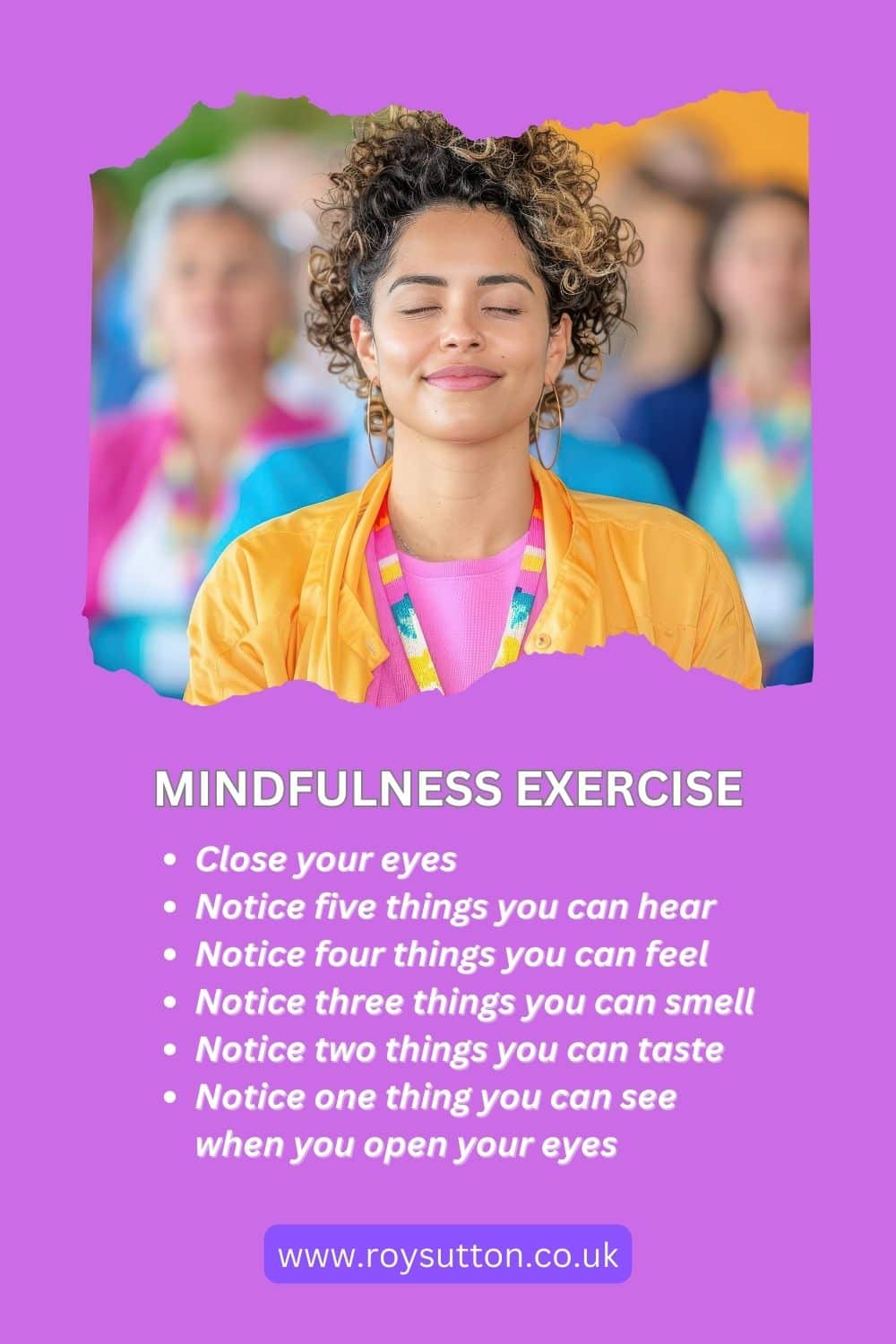
The 5-4-3-2-1 technique grounds you fast when you’re overwhelmed:

  • 5 things you can see
  • 4 things you can touch
  • 3 things you can hear
  • 2 things you can smell
  • 1 thing you can taste

Mindful eating turns meals into a mini meditation. Chew slowly, taste each bite, and set your fork down between bites. It helps digestion and awareness.

Waiting in line or stuck in traffic? Those moments are perfect for taking a deep breath instead of feeling frustrated.

Meditation sharpens your mind and helps you feel better emotionally. You don’t need anything fancy—just five minutes a day brings real benefits.

Basic breath meditation is a good start. Sit comfortably, focus on your breath, and when your mind wanders, gently bring it back – no need to judge yourself.

Body scan meditation helps release tension. Start at your toes and move up, relaxing each part as you go.

Walking meditation mixes movement with mindfulness. Stroll, paying attention to how your feet feel on the ground.

Apps and recordings can be helpful when you’re starting out. But honestly, silent practice builds focus over time.

Doing it regularly matters more than the duration of the activity. Five minutes every day beats one long session once in a while.

Mindful breathing calms the nervous system and eases anxiety almost instantly. You don’t need any equipment, and you can use this technique anywhere.

Square breathing is a simple method for relaxation:

  1. Inhale for 4 counts.
  2. Hold for 4 counts.
  3. Exhale for 4 counts.
  4. Hold empty for 4 counts.
Square Breathing
Make Money

4-7-8 breathing helps with sleep and stress. Inhale for 4, hold for 7, and exhale for 8—this pattern triggers your body’s relaxation response.

Diaphragmatic breathing boosts oxygen intake. Try placing one hand on your chest and the other on your belly; the lower hand should rise more if you’re breathing deeply.

Take deep breaths before tough conversations or stressful moments. Just three slow breaths can give you a little space between a trigger and your reaction.

With regular practice, breathing exercises help you respond to challenges with more clarity and less stress.

Gratitude journaling shifts your mindset through daily focus and honest reflection. Writing regularly can reshape your thought patterns and build self-compassion by highlighting positive moments.

Simple daily habits are the backbone of gratitude work. Jotting down three to five things each morning can set a positive tone for your day.

Research shows gratitude boosts mood and lowers stress. Your brain’s reward system lights up when you focus on the good stuff.

  • Write before checking your phone or email.
  • Recall specific moments from yesterday.
  • Include little things like a warm cup of coffee or a kind word.
  • Don’t forget the basics, such as shelter and food.

Evening reflection works just as well. Take a few minutes to reflect on and identify moments you appreciated.

  • Ends your day on a positive note.
  • It may help you sleep better.
  • Lets you process your experiences.
  • Builds your gratitude awareness.

Consistency matters more than writing a lot. Even two minutes a day can add up to real change over time.

Experts say it takes approximately 21 days to form a habit, so sticking with it is crucial. Setting up easy systems can help you stay on track.

  • Pick the same time every day.
  • Keep your journal by your bed.
  • Start with just five minutes.
  • Set phone reminders if you forget.

Some people find it helpful to use a dedicated gratitude journal rather than mixing it with other writing. This keeps the practice clear in your mind.

  • Choose a comfy spot to write.
  • Use pen and paper if you can—it just feels different.
  • Keep your supplies handy.
  • Make your writing space pleasant, even if it’s just a candle or good lighting.

Adding gratitude exercises to your routine can positively impact your thinking patterns. After a few weeks, the habit starts to feel automatic.

Tracking your streaks helps keep you motivated. A simple calendar or app can provide a gentle reminder when you need it.

Going deeper with reflection turns simple gratitude lists into real inspiration. Surface-level thanks are fine, but exploring why something matters hits differently.

  • Write about why you’re grateful for something.
  • Explore the feelings that come up.
  • Connect your experiences to your values.
  • Look for patterns over time.

Regular reflection builds self-compassion. When you look back, you might notice growth and resilience you didn’t see before.

Positive journal prompts help you see things in a brighter light, rather than getting stuck on the negatives. This shift can slowly build optimism.

  • What patterns do I notice in my gratitude?
  • How did challenging situations teach me something?
  • What strengths did I show this week?
  • Where did I show kindness to myself or others?

Monthly reviews can reveal larger themes and areas for improvement. Sometimes, you’ll uncover strengths you didn’t expect.

Building better productivity habits means setting clear priorities, minimising digital distractions, and cultivating self-discipline. These three pieces fit together to change how you manage your time and attention.

Good prioritisation starts with picking the most important tasks for the day. It’s easy to confuse being busy with being productive, but real productivity is about managing your energy and making smarter choices.

The Eisenhower Matrix sorts tasks into four groups:

UrgentNot Urgent
Important: Do firstImportant: Schedule
Not Important: DelegateNot Important: Eliminate

Writing down your top three priorities each morning helps you stay focused. This small habit enables you to avoid getting sidetracked by less important things.

Time-blocking helps you protect your priorities. Allocate specific hours to your most important tasks, especially when your energy is at its highest.

Digital distractions can ruin your focus and productivity. Habits that improve focus often involve setting boundaries with tech and stepping away from screens regularly.

  • Turn off unnecessary notifications.
  • Switch to airplane mode for focused work.
  • Keep your phone in another room while working.
  • Set times to check messages, rather than checking all day long.
  • Block distracting sites during work hours.
  • Close tabs you don’t need.
  • Stick to one task at a time—multitasking is overrated.
  • Take a break from screens every hour or so.

Try creating phone-free zones in your bedroom or at the dinner table. Many people find that starting the day without reaching for their phone makes a significant difference in mental clarity.

Self-discipline becomes stronger with practice and the development of smart habits. The trick is to make good choices automatic so you don’t have to rely on willpower all the time.

  • Clear distractions from your workspace.
  • Prep healthy snacks ahead of time.
  • Lay out exercise clothes the night before.
  • Put up reminders of your goals where you’ll see them.

Start tiny to build momentum. If you’re aiming to exercise, start with just five minutes a day before gradually increasing the time.

Share your goals with someone else. Apps, workout buddies, or groups can help you stay committed to your plans.

Supportive habits take patience and steady effort. Most habits need a few weeks to become second nature, so don’t expect instant results.

Keeping a regular sleep schedule also helps with self-discipline by keeping your energy steady.

Building emotional strength begins with understanding your patterns and developing effective coping mechanisms. Self-compassion and resilience lay the groundwork for lasting mental health, particularly when life becomes challenging.

Understanding what affects your mental health enables you to handle challenging situations better. Many people go through the same emotional cycles without noticing the links.

  • Work stress or tight deadlines
  • Conflicts in relationships
  • Money worries
  • Social events
  • Feeling physically drained

Keep a simple mood diary to spot patterns. Write down your feelings each day and what happened before those feelings showed up.

Watch for physical clues, too. Headaches, stomach issues, or changes in sleep can indicate stress before your mind catches up.

  • Pushing friends and family away
  • Feeling swamped by small tasks
  • Mood swings or irritability
  • Changes in eating or sleeping habits

Spotting these patterns lets you act sooner. Perhaps you say no to extra work or reach out to a friend when you notice yourself feeling overwhelmed.

Self-compassion is about treating yourself as you would a close friend. Oddly, most of us are way harsher on ourselves than anyone else.

Start by tuning in to your inner voice. When you make a mistake, what do you tell yourself? Try swapping harsh words for understanding ones. Try to learn from this mistake rather than dwelling on it, as we all make mistakes occasionally.

  • Talk to yourself as kindly as you would to a friend.
  • Remember, everyone makes mistakes—it’s a normal part of life.
  • Look for the lesson to learn.
  • Take breaks when you need them, guilt-free.
  • Celebrate even the small wins.

Physical care counts, too. Getting enough rest, eating well, and staying active are all ways to show yourself respect.

Set boundaries to protect your energy. It’s totally fine to say no if something feels like too much. Self-care isn’t selfish—it actually helps you help others better.

When things go wrong, practice forgiving yourself. We all make poor choices sometimes. Learning from them matters more than beating yourself up.

Resilience is what helps you bounce back from setbacks and handle life’s curveballs. You can build it through practice and a few healthy habits.

  • Exercise regularly to manage stress.
  • Keep up strong social ties.
  • Work on problem-solving skills.
  • Practice flexible thinking.

Taking short breaks between tasks helps keep stress from piling up. Even five minutes can reset your mind.

Build a support network you trust. Talking things out with friends, family, or a counsellor can make problems feel less overwhelming.

Try to accept what you can’t control. Put your energy into things you can actually change instead of worrying about the rest.

Find coping strategies that work for you. This could involve activities such as deep breathing, walking, listening to music, or engaging in creative hobbies. Having a few options gives you flexibility.

Acknowledge your feelings instead of suppressing them. Journaling or talking to someone can help you process challenging emotions before they build up.

Simple acts of kindness can spark powerful ripples, strengthening relationships and lifting emotional well-being. Building meaningful connections often comes down to daily, intentional practices that show genuine care and understanding.

Small gestures of kindness turn everyday moments into something a bit more meaningful. Research shows that acts of kindness boost happiness and well-being, and they help reduce stress and anxiety.

  • Holding doors open for others
  • Offering genuine compliments
  • Listening attentively during conversations
  • Helping colleagues with tasks
  • Sending encouraging messages to friends

These small actions don’t require much effort, but they can have a significant impact. Kindness boosts happiness and social connection and can help ease loneliness.

It’s about consistency, not grand gestures. Starting small with a compliment or a bit of help makes kindness a natural habit.

Workplace kindness really matters. Noticing others’ efforts and sharing resources can create a more supportive environment for everyone.

Meaningful relationships need more than casual chats. Quality connections provide emotional support and enrich life through shared experiences and genuine understanding.

  • Schedule regular one-on-one time with important people
  • Practice active listening without distractions
  • Share personal experiences and vulnerabilities appropriately
  • Remember important details about others’ lives
  • Offer practical support during difficult times

Consistency trumps sporadic grand gestures. A weekly phone call or a monthly coffee can become a touchstone people look forward to.

Kindness helps forge connections with others, enhancing one’s sense of social support and belonging. That sense of belonging can help alleviate loneliness and improve emotional well-being.

Deep relationships grow through mutual care. Sharing both joys and struggles creates bonds that can weather life’s ups and downs.

Change sticks when people bounce back from mistakes with self-kindness and notice their small wins along the way. These two things lay the groundwork for habits that actually last.

Everyone slips up. Maybe you miss a workout or eat something you wish you hadn’t. That’s just being human.

Self-compassion alters how individuals respond to setbacks. Instead of beating themselves up, they treat themselves like a good friend. That makes it easier to get back on track.

Three steps make self-compassion practical:

  1. Acknowledge the setback – “I missed my morning walk today.”
  2. Normalise the experience – “Everyone struggles with consistency sometimes.”
  3. Respond with kindness – “Tomorrow I’ll try again.”

People who practice self-compassion tend to keep up habits longer. They avoid shame spirals that kill motivation.

When someone drops a new habit for a few days, self-compassion nudges them to restart. Self-criticism often leads to quitting.

Setbacks are just information, not a verdict. Every slip-up reveals something about triggers or timing that can help tweak the habit next time.

Tracking progress makes change visible. People need to see that their efforts are adding up.

Simple tracking works best. A calendar, a phone app, or a notebook—whatever you’ll actually use. Consistency matters more than the method.

  • Frequency – How often the habit happens
  • Streaks – Days in a row of success
  • Patterns – When things go well or get tough

Celebrating small wins keeps motivation alive. Even a quiet “nice job” can make a difference.

Pick a celebration that fits. One week? Maybe a favourite meal. Thirty days? Perhaps it’s time for some new workout gear.

BJ Fogg’s research suggests that celebrating right after forming a habit helps solidify it. Even saying “well done” to yourself can strengthen the new behaviour.

Weekly reviews can reveal trends. Perhaps workouts are more effective on Tuesdays, or meal planning helps you eat healthier. It’s worth noticing.

Building life-changing habits isn’t always straightforward. These answers provide practical tips for establishing routines, boosting motivation, and making lasting changes.

Morning hydration—seriously, just a glass of water first thing—can wake up your metabolism and kickstart your brain.

Walking 10,000 steps a day is excellent for your heart and your mood. Break it up with short walks, take the stairs, or park a little farther away.

Spending 10 minutes planning your evening can make tomorrow so much smoother. Jot down three priorities and prep what you’ll need. It really cuts down on stress.

Reading for 20 minutes daily helps grow your mind and keep you sharp. Pick a time, stick with it, and let it become a ritual.

Going to bed just 30 minutes earlier makes a huge difference. Better sleep means better decisions, steadier moods, and faster recovery.

Start tiny. Micro-habits that take less than two minutes are easier to stick with. Small steps build confidence and add up over time.

Try habit stacking—add a new behaviour right after something you already do. Five minutes of stretching after brushing your teeth, for example.

Set up your environment for success. Leave your workout clothes by the bed or keep healthy snacks within easy reach. Make the good choice the easy choice.

Use a habit tracker for visual motivation. Checking off each day helps you see progress and stay on track.

Be specific about when and where you’ll act. “I’ll meditate for five minutes in my bedroom at 7 AM” works way better than “I should meditate more.”

Focus on one habit at a time. One habit per week is plenty—don’t overload yourself.

Identity matters. See yourself as “someone who exercises” instead of “someone trying to lose weight.” That mindset sticks longer.

Celebrate progress, no matter how small. Every streak counts, and those little wins release dopamine that keeps you going.

Plan for setbacks. Have a way to get back on track within a day so a slip doesn’t become a slide.

Share your goals. Telling friends or family adds accountability and gives you a boost when things get tough.

Ten minutes of meditation each day can lower stress and sharpen your focus. Over time, you’ll notice you handle emotions better, too.

Gratitude journaling—just three things each day—shifts your attention to what’s good. It’s a simple way to boost optimism and satisfaction.

Deep breathing exercises help you reset quickly when stress hits. Five slow breaths can do wonders.

Mindful eating allows you to savour food more and reduce the risk of overeating. Slowing down at meals makes a real difference.

Try being present during routine stuff, too. Focusing on washing dishes or walking can turn dull moments into a kind of mini-meditation.

Taking five-minute breaks every hour helps your brain reset and keeps you focused. Move around a bit—your body and mind will thank you.

Try a priority matrix to sort tasks by urgency and importance. Focusing on important-but-not-urgent stuff keeps you ahead of the game.

Block out time for specific activities. Scheduling work and breaks helps you avoid multitasking and stay on track.

Cutting screen time by 30 minutes frees up time for more productive activities. App timers or phone-free zones can help curb distractions.

Batch similar tasks together. Handling emails at set times instead of all day saves mental energy and boosts efficiency.

Regular movement releases endorphins. These chemicals can naturally lift your mood and help ease depression symptoms.

Even light activity—such as taking the stairs instead of the elevator—adds up to real benefits over time.

Some folks swear by daily stretching for just 5 minutes.

Please share this post with your friends:

If this article proved helpful to you, please share it on social media with your friends. When you share, everyone wins.

I appreciate your support. Thank you.