10 Incredible Christmas Markets Around the World: A Comprehensive Guide to Festive Shopping Destinations

If you’re looking to visit some of the incredible Christmas markets around the world, then this article has been written for you.

Christmas markets are a beloved tradition that’s spread far beyond Europe.

Every year, cities and towns transform into winter wonderlands with twinkling lights, crafts, and treats that perfectly capture the essence of the season.

Germany started it all centuries ago, but now you’ll find Christmas markets everywhere.

Each place adds its own spin, so you get a mix of local traditions and cool handmade gifts you won’t see anywhere else.

  • Christmas markets started in Germany, but now pop up all over the world
  • Every market has its own regional flavour, from wooden crafts to unique holiday snacks
  • It’s not just shopping – these markets mix culture, food, and festive vibes in all kinds of locations

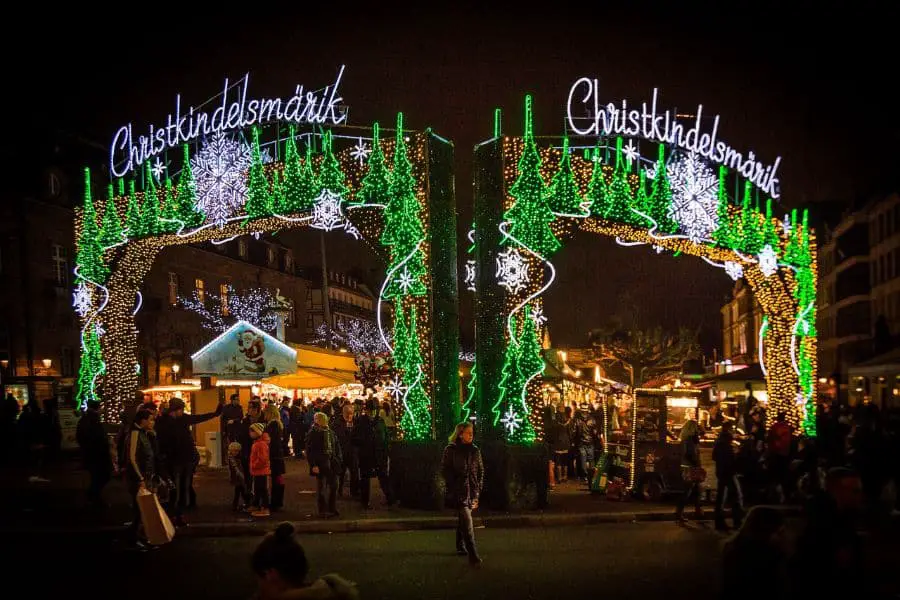
The Christkindelsmärik is one of Europe’s oldest Christmas markets, dating back to 1570 and located in Strasbourg’s historic old town. Every winter, the Grande Île becomes a glowing, festive scene.

Strasbourg isn’t called the “Capital of Christmas” for nothing. The city hosts eight Christmas markets, but Christkindelsmärik is definitely the showstopper.

PHOTO CREDIT: Claude Truong-Ngoc

The market stretches across several historic squares:

  • Place Kléber – Home to the giant Christmas tree, ice rink, and craft displays
  • Place Broglie – Packed with stalls selling all sorts of traditional goods
  • Place du Marché-aux-Poissons – Focused on Alsatian food and regional specialities
  • Petite France – Perfect for canal-side shopping and photos

Over 300 stalls wind through these spots, making it easy to get lost in Christmas shopping. Strasbourg Cathedral, looming nearby, adds a dramatic touch to the whole scene.

You’ll find wooden chalets full of ornaments, pottery, and festive decorations. The smell of mulled wine and roasted chestnuts drifts through the cobblestone streets.

The market draws around 2 million visitors a year—no surprise, really. Ever since the high-speed train arrived in 2007, even more folks have made the trip.

Strasbourg sits in Alsace, so you get a cool blend of French and German Christmas traditions. That mix gives the market its own unique flair.

The market runs from late November until Christmas Eve, usually 26 November to 24 December. Evening hours mean you can soak up the lights after dark, which is honestly the best time to go.

Artisans show off Alsatian crafts like hand-blown glass, wooden toys, and pretty textiles. Grab some bredele cookies, foie gras, or a cup of vin chaud—trust me, you’ll want to try it all.

Make Money

Gwanghwamun Christmas Market is one of Asia’s biggest holiday events. Right in central Seoul at Gwanghwamun Square, it turns the plaza into a European-style Christmas scene every December.

The market runs from mid-December through New Year’s Eve. Twinkling lights and decorations fill the square, bringing some real magic to the city’s heart.

  • Over 100 local vendors with handmade goods
  • Korean winter foods and classic Christmas snacks
  • Live shows and cultural events
  • Tons of family activities for kids
  • Mix of Korean style and Christmas traditions

The market borrows ideas from Northern Europe but keeps its Korean soul. You’ll see crafts, cosy winter clothes, and decorations—plus food stalls with both international and Korean winter favourites.

If you can, go at night. The lights are unreal, and street performers keep the energy up. Musicians play into the evening, so there’s always something happening.

The market gives local small businesses a boost and helps show off Seoul’s winter side. Every year, hundreds of thousands come out to enjoy this blend of Western Christmas and Korean hospitality.

Seoul really embraces the international holiday spirit here, while still keeping things local. Whether you’re with family, your partner, or just wandering solo, there’s plenty to see, eat, and do. It’s become a must-do for anyone spending Christmas in Korea.

Saily eSIM

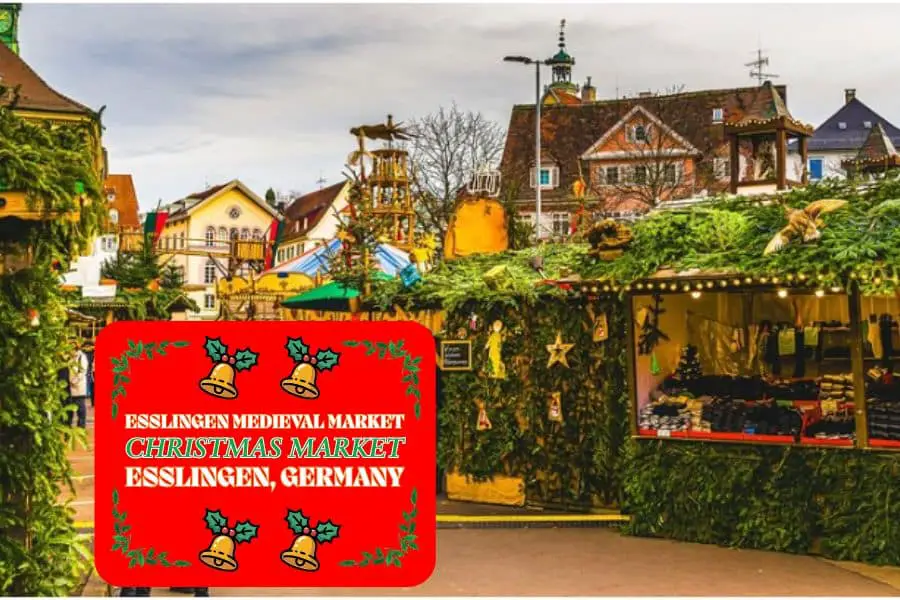
Esslingen, Germany, hosts one of the most unique Christmas markets in Europe. The town goes all out, combining a Medieval Market with a traditional Christmas market for a truly memorable experience.

The Medieval Market brings the past to life. Craftspeople show off skills like blacksmithing and basket weaving. Merchants wear period costumes and use old-school trading methods—it’s like stepping into another era.

Fire performers and musicians keep crowds entertained. The air fills with the scents of roasted meats and spices, adding to the old-world vibe.

The Traditional Christmas Market sits right next to the medieval area. Here, you’ll find classic holiday stalls with seasonal food and gifts. Hundreds of stalls in total make it a shopper’s dream.

  • Dates: 25th November – 22nd December 2025
  • Monday: 11:00 AM – 8:30 PM
  • Tuesday: 11:00 AM – 8:30 PM
  • Location: Historic town centre with cobblestone streets

Half-timbered buildings line the market, giving it that perfect postcard look. You can wander from the Christmas market to the medieval zone in minutes, but the difference in atmosphere is pretty striking.

Getting There: You’ll find free parking around the city, plus paid garages if you need them. Both markets sit right in the historic centre, so they’re easy to reach.

Esslingen’s medieval market stands out in Germany. The combination of live entertainment, crafts, and food makes it way more interesting than your standard Christmas fair. The town’s architecture just adds to the magic.

Make Money

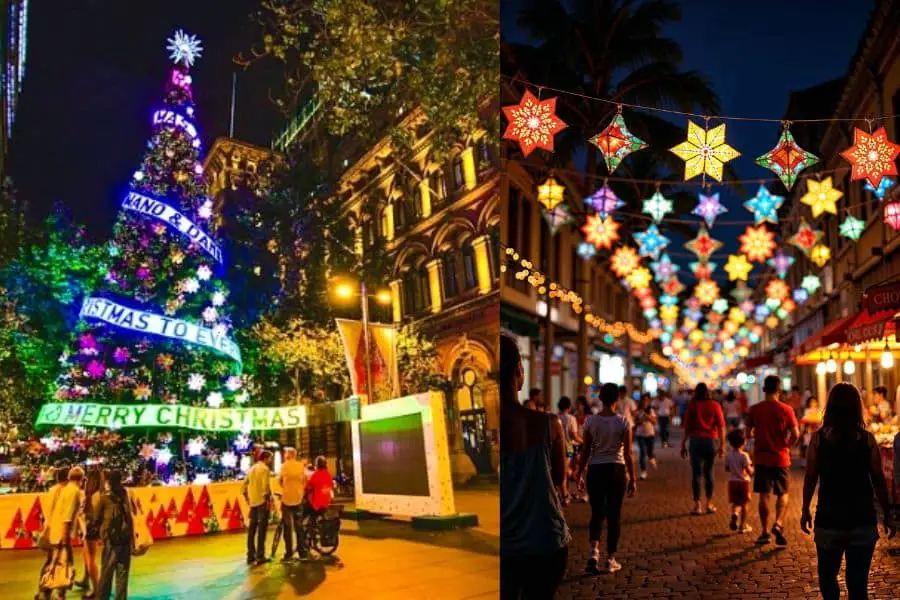
Martin Place Christmas Market brings the holiday spirit to Sydney’s CBD every December. The market sits right in the city centre, under glowing lights that make everything feel extra festive.

There are 58 vendor stalls with all kinds of gifts. You’ll find handmade crafts, art, and plenty of unique Christmas presents. Food stalls serve up seasonal treats and drinks to keep you fueled for shopping.

  • Location: Martin Place, Sydney CBD
  • Operating hours: 11 AM to 9 PM
  • Duration: Four weeks leading up to Christmas
  • Stall count: 58 vendors

The market runs for four weeks in November and December. That gives everyone—from office workers to tourists—plenty of time to drop by, either during lunch or after work. The late hours are a bonus for night owls.

  • Handmade crafts and artwork
  • Gourmet food options
  • Live music performances
  • Festive decorations and gifts
  • Mulled wine and holiday drinks

Live music keeps the mood lively all day long. The market sits under Sydney’s massive Christmas tree, which is a must-see if you’re in town.

Cambridge Markets and the City of Sydney team up to run the event. The focus is on supporting local makers and small businesses, so you won’t see much mass-produced stuff here.

Getting there’s a breeze—Martin Place is close to trains and buses, so it’s easy whether you’re a local or just passing through for the holidays.

Saily eSIM

Barfüsserplatz is Basel’s main Christmas market, and honestly, it’s pretty magical. It even won Europe’s Best Christmas Market in 2021. The market wraps around the medieval Barfüsser Church in the heart of the Old Town.

More than 140 wooden chalets fill the square, each packed with gifts, decorations, and tasty treats. Local artists and traders bring their best stuff, so you never know what treasures you’ll find.

  • Location: Barfüsserplatz, Basel Old Town
  • Stalls: Around 140-180 wooden chalets
  • Season: Late November through December
  • Recognition: European Best Destinations Award 2021

Swiss and Alsatian traditions come together here. Don’t miss out on lebkuchen (gingerbread) or roasted chestnuts. Mulled wine is basically required if you want to stay warm while browsing.

  • Handmade Christmas ornaments
  • Swiss chocolates and sweets
  • Local crafts and artwork
  • Traditional festive foods
  • Unique artisanal gifts

The setting is just gorgeous, with the old church and snowy stalls lit up at night. It feels like a scene from a Christmas card.

Basel has a few other markets too, like the Münsterplatz market near the cathedral. Together, they make Basel a top spot for Christmas lovers.

People from all over Europe come to Basel in December. The mix of history, size, and quality makes this market a real standout in Switzerland. Plus, you’re close to other sights and shops in the city.

Saily eSIM

Cusco, the old Inca capital, hosts one of South America’s coolest Christmas markets. Santurantikuy happens every Christmas Eve in the city’s main square, Plaza de Armas.

The name means “purchase of saints” in Quechua. The main focus is selling religious items for nativity scenes, which is a big deal here.

  • Only takes place on 24th December
  • Set in a UNESCO World Heritage city centre
  • Handcrafted nativity figures and religious art
  • Andean interpretations of Christmas traditions

Artisans travel from all over southern Peru to set up shop. The plaza turns into a bustling fair, with every inch filled by stalls and shoppers.

Here, you’ll find things you just can’t get at other Christmas markets. The focus is on nativity scenes, not general gifts, so it feels really special.

  • Hand-carved figures for nativity sets
  • Christmas ornaments with Andean flair
  • Local textiles and fabrics
  • Mini Niño Manuelito (the Andean baby Jesus)
  • Moss and natural decorations

Back in 2009, the Peruvian government recognised Santurantikuy as Cultural Heritage of the Nation. This move shows just how important it is as a religious and cultural event in the Andes.

The market blends Catholic and indigenous traditions. Local families come to buy pieces for their home nativity scenes, keeping alive customs that their grandparents probably taught them.

Both locals and travellers from abroad show up to soak in a real Peruvian Christmas. The market buzzes all day and into Christmas Eve night, lighting up the historic city centre with festive energy.

Make Money

The Edgemead Christmas Market is honestly one of Cape Town’s most beloved holiday events. Every December, the Edgemead Community Centre in the northern suburbs turns into a Christmas wonderland.

Over 500 vendors fill the place, making it a massive Christmas market in the Cape Town area. Local artisans and crafters trek in from all over the Western Cape—some come from towns like George, Montagu, and Riversdale—just to show off their handmade creations.

The market runs for nearly a month, usually starting late November and wrapping up on Christmas Eve. Doors open from 10 am to 8 pm every day, so you’ve got plenty of time to browse and hunt for gifts.

  • More than 500 local exhibitors and crafters
  • Handmade gifts and festive products
  • Independent artisans and small businesses
  • Loads of decorations and sparkling lights
  • Sprawling across the main hall, minor hall, and a big marquee

The market’s been around for over twenty years, and it’s become a real community favourite. Families come back every season to soak up the atmosphere and find special Christmas presents.

Local crafters whip up all sorts of handmade items that make perfect gifts. You’ll spot everything from unique decorations to delicious local foods. The market really leans into supporting small businesses and independent makers from the region.

All the festive decorations bring a magical vibe, even though it’s summer in Cape Town. Somehow, the place still captures that cosy Christmas feeling—just with a Southern Hemisphere twist. It’s a totally different experience compared to the snowy European markets.

Saily eSIM

Every December, Stanley Plaza throws one of Hong Kong’s most popular Christmas markets. The seaside location in Stanley makes things feel extra special and a bit different from the usual city scene.

Expect over 120 speciality stalls. You can wander through sections packed with handmade crafts, Christmas decorations, and all sorts of festive gifts. Both local and international brands set up shop, so there’s loads of variety.

Foodies, rejoice—there are plenty of stalls dishing out Hong Kong favourites and international eats. You’ll stumble on speciality ice cream, festive snacks, and drinks made just for the season. Some treats are only available at the market, so don’t miss out.

  • Live music sets the mood all day
  • Games for families and kids
  • Photo ops with Christmas displays
  • Creative workshops (sometimes in VIP packages)
  • Charity sales for local causes

Stanley Plaza’s waterfront views are hard to beat. You can shop with a sea breeze and a harbor view—pretty nice change from crowded malls.

The market usually runs for about two weeks in December, mainly on weekends and right up through Christmas. Dates shift a bit each year, but it always lands in the run-up to Christmas Day.

Each year, the market goes all out with a new theme. One year it’s black and gold, another year it’s Aussie-inspired, or maybe just pure Christmas magic. The decorations, photo spots, and even the stalls get a makeover to match the vibe.

Make Money

If you want a classic German Christmas market in the U.S., Chicago’s Christkindlmarket is the real deal. It brings German holiday traditions right into the Midwest, taking cues from the legendary Nuremberg market.

There are three main locations across Chicago. Daley Plaza in downtown is the big one, but Aurora and Wrigleyville also host their own versions, so you don’t have to trek far if you’re in the suburbs.

  • Charming wooden chalets selling crafts and food
  • German holiday ornaments and decorations
  • Authentic German eats and drinks
  • Live music and entertainment
  • Family-friendly vibes everywhere

You’ll find dozens of stalls with handmade crafts and traditional German goodies. There are lots of ornaments, wooden toys, and festive decorations. Local artisans get in on the action, too, so not everything is imported.

The food is all about German comfort. Think bratwurst, schnitzel, pretzels, and, of course, hot mulled wine and German beer. Sweet tooth? Grab some lebkuchen cookies or roasted nuts.

The market usually kicks off in late November and runs through December. Hours depend on the location, but Daley Plaza tends to stay open the longest and has the biggest selection.

  • When: Late November to December
  • Admission: Free
  • Best time: Weekday evenings if you want to dodge the crowds
  • Getting there: All three sites are easy to reach by public transit

Chicago winters can get brutal, so bundle up! The market’s outdoors, and the weather can be unpredictable. Still, that’s part of the charm, isn’t it?

In 2025, Christkindlmarket will celebrate 29 years. Honestly, that kind of run just proves how much people love this holiday tradition.

Saily eSIM

Old Québec’s cobblestone streets turn into a European-style winter wonderland every holiday season. The German Christmas Market brings authentic German traditions to North America’s only walled city.

The market spreads across five spots in Old Québec’s historic district. Each one brings something different to the table:

  • Place D’Youville – The main Alpine Village
  • Place de l’Hôtel-de-Ville – Central marketplace
  • Other historic squares are scattered around the old town

Stroll past wooden chalets packed with German goods and seasonal treats. You’ll see handcrafted gifts, holiday decorations, and all sorts of traditional German Christmas foods.

The smell of mulled wine and cinnamon drifts through the air as vendors serve up warm drinks and snacks. Local artisans display their work alongside classic German merchandise.

Live music fills the market every day. German bands play festive tunes, and there’s usually a special opening ceremony to kick things off.

The old French colonial buildings give the market a unique look you won’t find anywhere else in North America.

The German Christmas Market usually pops up in late November. It runs for several days in a row, giving everyone plenty of time to check it out.

This market is a true team effort between Québec’s German community and the rest of the city. It mixes German Christmas traditions with French-Canadian flair, making for a holiday celebration that draws visitors from all over.

Why not try a Christmas market river cruise through Europe? You get to see several cities and enjoy holiday fun on board at the same time.

London’s winter markets have that classic British charm, plus a bunch of German-style stalls. The city’s packed with seasonal shopping spots all December.

Munich is another great pick, with loads of markets beyond just Marienplatz. Every neighbourhood has its own flavour and local specialities to discover.

Make Money

The best Christmas markets have a few things in common. Wooden chalets line old city streets or squares, setting the perfect scene.

Fairy lights are everywhere, turning whole city centres into magical winter wonderlands. Most markets have a giant Christmas tree as the centrepiece, and live music keeps the festive mood going.

  • Handmade wooden stalls and chalets
  • Elaborate light displays and decorations
  • Historic city centre locations
  • Live entertainment and carolers
  • Artisan craft demos
  • Traditional holiday music

Some markets sprawl across several city squares, while others are tucked into cosy courtyards.

Europe has some real standouts when it comes to Christmas markets. Germany is top of the list, with amazing markets in every region.

Strasbourg calls itself the “Capital of Christmas” and has more than a dozen markets. Vienna’s Christkindlmarkt is set against a palace—how cool is that? Prague’s Old Town Square is another favourite, with its Gothic backdrop.

Each city adds its own twist, reflecting local culture and traditions.

Christmas markets really show off local culture and food traditions. Up north, markets focus on hearty foods and hot drinks to keep you warm.

Central Europe leans into Germanic crafts, while Mediterranean markets use local ingredients and take advantage of milder weather.

  • Germanic regions: Lebkuchen, handmade ornaments, beer steins
  • Alpine areas: Wooden toys, wool items, schnapps
  • Scandinavian markets: Amber jewellery, reindeer goods, aquavit
  • Eastern European: Folk art, pottery, traditional textiles

North American markets often blend European traditions with local twists. You’ll usually find bigger food portions and a few modern comforts thrown in.

Christmas markets are all about seasonal treats. Hot drinks are a must for chilly weather.

Glühwein (that classic mulled wine) is everywhere in German-speaking countries. If that’s not your thing, try hot chocolate or mulled cider—usually served in cute mugs you can take home.

  • Sweet treats: Lebkuchen, roasted nuts, candied almonds
  • Savoury bites: Bratwurst, roasted chestnuts, pretzels
  • Warm drinks: Glühwein, hot chocolate, mulled wine
  • Regional specialities: Stollen, chimney cakes, gingerbread

Many markets feature local favourites along with classic holiday foods. If you want the best baked goods, get there early—those sell out fast!

Market seasons usually kick off in late November and run through December. Opening dates can shift depending on where you are and what local traditions look like.

If you want to dodge big crowds, weekdays are your best bet. Early December is great for snagging the best selection before things start flying off the shelves.

Late December? It’s wild—locals rush to finish their holiday shopping, so expect packed stalls and long lines.

The weather can totally change your market day. Honestly, it’s smart to check the forecast before you go—no one wants soggy gingerbread or frozen fingers.

Christmas markets are all about artisan-made goods that show off local crafting traditions. You’ll often spot vendors working right there on-site, which is honestly pretty fun to watch.

Wooden toys and ornaments are classics, especially in European markets. If you’re looking for something a bit different, glass decorations and hand-painted ceramics make for truly unique gifts.

  • Wooden crafts: Nutcrackers, toys, ornaments, music boxes
  • Textiles: Hand-knitted scarves, traditional clothing, tapestries
  • Glass items: Blown ornaments, decorative pieces, jewellery
  • Metalwork: Bells, lanterns, decorative items
  • Ceramics: Hand-painted pottery, seasonal dishware

Handmade items usually cost more than the mass-produced stuff. Still, I think the quality and that one-of-a-kind feel make them totally worth it, especially if you want something special for her.

Lots of craftspeople take custom orders if you’re after something personal. Just give them a heads up early—custom work takes a little extra time.

There are many incredible Christmas markets around the world, and they are wonderful to visit.

So, make sure you experience one this year.

Why not take a look at what it would cost? Looking costs nothing and, if nothing else, it can be fun.

So, go on, take a look now.

Did you find this article interesting and useful?

If so, please share it on social media with your friends.

When you share, everyone wins.

So, go on, please share it right now. If you do, I will be forever grateful.

Thank you, dear reader.

Best Places to Take a Vacation on a Budget: Top Affordable Destinations and Tips

If you’re wondering about the best places to take a vacation on a budget, this article is for you.

Taking a holiday doesn’t have to empty your savings. There are loads of incredible places around the world where you can soak up culture, scenery, and adventure for less than you might expect.

These spots offer cheap street food, affordable hostels, and public transport that really stretches your money.

The trick is picking destinations where your cash goes further and knowing a few ways to make it last. With a bit of planning and some smart choices, you can see the world on a budget and still get genuine local flavour, great food, and sights you won’t forget.

  • Plenty of destinations offer full travel experiences for under £50 per day, covering accommodation, food, and transport.
  • Picking countries with good exchange rates and low local prices gives you more spending power.
  • Planning ahead helps you save on flights, accommodation, and activities—without giving up quality.
Saily eSIM

Budget travel is all about getting the most out of your trip while keeping costs down. It’s not just about being cheap—it’s about making smart choices that let you travel longer and see more.

Several things can make a place better for budget travellers. Exchange rates matter a lot—if the pound goes further, so do you.

Cost of living changes a lot from place to place. Thailand and Poland, for example, offer good hotels, meals, and transport for way less than Western Europe.

Local infrastructure can make a big difference. If a place has good public transport, you won’t need pricey taxis or rental cars.

Competition helps too. Tourist hotspots often have more budget accommodation and activities fighting for your business.

Seasonal factors play a role. Travelling outside peak times can cut your costs by half or more on flights and hotels.

Booking early usually means better deals. Flights and hotels booked weeks or months in advance can save you a bundle.

Flexible dates are a big help. If you can fly or stay mid-week, you’ll often pay much less than on weekends.

Eating like a local can slash your food budget. Countries with street food scenes—think Thailand or Guatemala—let you fill up for under £2.

Accommodation variety is key. Hostels, guesthouses, and budget hotels in cheap destinations can be comfy and safe without costing much.

Transport choices matter. Places with good bus networks or low-cost flights make it easier to get around for less.

Here are four spots that really deliver on value. Whether you want tropical beaches or buzzing cities, you can find luxury, amazing food, and plenty to do without blowing your budget.

Bali’s a classic for budget travellers. You can find a comfy guesthouse in Canggu or Ubud for £15-25 per night.

Street food is everywhere and costs just £2-4 a meal. Local warungs serve up tasty Indonesian dishes for a fraction of what resorts charge, and you can easily eat for under £10 a day.

Transport costs:

  • Motorbike rental: £3-5 per day
  • Local buses: £0.50-1 per journey
  • Private driver for day trips: £20-30

Popular beaches like Kuta and Seminyak don’t charge for entry. Temples ask for £2-3. Yoga classes usually run £5-8.

Ubud’s rice terraces are free to explore. If you want to hike Mount Batur for sunrise, guides charge £15-20.

  • Accommodation: £15-25
  • Food: £8-12
  • Activities: £5-15
  • Transport: £3-8

Delhi packs in a lot of culture for not much money. Budget hotels and hostels in places like Paharganj and Karol Bagh cost £8-15 a night.

Street food is delicious and cheap. A paratha breakfast is £1-2, while a full thali at a local spot runs £2-4.

The metro links all the big sights for less than £1 per trip. Auto-rickshaw rides are usually £1-3.

  • Red Fort grounds (small fee to go inside)
  • India Gate and gardens
  • Humayun’s Tomb gardens
  • Lotus Temple
  • Gandhi Smriti museum

Paid sights are still cheap. Red Fort entry is £3, and Qutub Minar is £2 for foreigners.

Shopping in Chandni Chowk or Khan Market is a bargain. Textiles, spices, and crafts cost way less than they do in the West.

Daily costs generally stay under £25-30 for a comfortable trip with food, a place to sleep, and sightseeing.

The Dominican Republic gives you the Caribbean vibe without the price tag. Budget stays in Santo Domingo or Puerto Plata start at £20-35 per night.

Local comedores serve hearty meals for £3-6. Expect big plates of rice, beans, and meat. Tropical fruit is under £2.

  • Boca Chica’s calm waters
  • Playa Dorada’s golden sands
  • Cofresí Beach near Puerto Plata
  • Macao Beach’s surfing waves

Public transport is cheap. Guaguas (local buses) are only £0.50-1 per ride. Motoconchos cost £1-2 for short trips.

You can do self-guided walking tours in Santo Domingo’s Colonial Zone for free. The cathedral is £2, and Alcázar de Colón is £3.

Try a merengue or bachata class for £5-8. Some bars even throw in a free beginner lesson if you buy a drink.

Weekly grocery shopping: £25-35 for basics and snacks.

Cape Town offers world-class sights at African prices. Backpacker hostels in City Bowl and nearby areas go for £12-20 a night.

Township tours cost £15-25 and give you a real look at local life. Braai restaurants serve up big portions for £5-8.

  • Table Mountain hiking trails
  • Sea Point Promenade walks
  • Kirstenbosch Botanical Gardens (small entry fee)
  • Camps Bay and Clifton beaches
  • V&A Waterfront browsing

Wine tasting in Stellenbosch is £3-8 per estate. Some places add in cellar tours and cheese tastings.

The MyCiTi bus makes getting around easy and cheap. Day passes are £3-4. Uber rides in the city centre usually cost £2-6.

Grocery costs remain reasonable:

  • Local markets have fresh produce for less
  • Woolworths has quality options
  • Pick n Pay is good for budget shoppers

Watching penguins at Boulders Beach is £8. The Table Mountain cable car is £12-15, but hiking up is always free.

Asia is packed with affordable adventures. You’ll find cheap places to stay, tasty local food, and easy transport, all while soaking up culture and scenery that’s second to none.

Hoi An is Vietnam’s most charming and affordable spot. Guesthouses here go for £8-15 a night.

Street food is under £2 per meal. Try local favourites like cao lau noodles or white rose dumplings—they’re delicious and way cheaper than restaurant prices.

The Ancient Town ticket is £4, but wandering the lantern-lit streets is free. Many temples and assembly halls don’t charge at all.

  • Accommodation: £8-15
  • Meals: £4-6
  • Transport: £1-3
  • Activities: £2-5

Rent a bike for £1 daily. Cooking classes start at £15 and include a market trip. Tailors here make custom clothes for much less than in the West.

My Son ruins are £6 to visit. Countryside day trips cost under £10, transport included.
India is still one of Asia’s cheapest countries, especially outside the big cities. Smaller towns and rural areas offer even more value than Delhi.

Budget accommodation options:

  • Hostels: £2-5 per night
  • Guesthouses: £5-12 per night
  • Homestays: £8-15 per night

Local trains are the cheapest way to get around. Second-class tickets cost just pennies per kilometre. Buses are similar—maybe a bit more comfortable.

Street food is as little as 50p-£1. Each region has its own specialities, so you’ll never get bored eating on the cheap.

  • Rajasthan villages: Desert adventures for £10-20 per day
  • Kerala backwaters: Homestays from £8 per night
  • Himachal Pradesh: Mountain treks from £5 per day

Temple visits are almost always free. Palaces and forts usually charge less than £3 for foreign visitors.

Vietnam is a budget traveller’s dream from north to south. You can travel comfortably on £15-25 a day, including private rooms and meals out.

  • Local buses: 20p-50p per ride
  • Motorbike rentals: £3-5 per day
  • Overnight trains: £8-15 for a sleeper

Pho is 80p-£1.50. Banh mi, spring rolls, and coffee are cheap everywhere.

Ha Long Bay tours start at £15 with meals and transport included. Sapa trekking trips cost £25-40 for guides and homestays.

  • North Vietnam: Cheapest overall
  • Central coast: Good prices, great value
  • Ho Chi Minh City: A bit pricier but still affordable

Dorm beds go for £4, private rooms with AC are £15. Many places throw in breakfast.

Cooking classes cost £12-20. Motorbike countryside tours start at £20 a day, petrol and guide included.

Eastern Europe is full of history and culture for a fraction of what you’d pay in the West. Portugal’s southern coast is perfect for a beach holiday without the big price tag. Bulgaria and Morocco give travellers unique experiences at prices that make your money last.

Eastern Europe stands out as one of the world’s best cheap holiday destinations. Cities like Sofia, Budapest, and Prague give you incredible value for money.

Sofia, Bulgaria welcomes visitors with free walking tours. You can enjoy tasty meals for under £10.

The city’s Orthodox churches and Soviet-era architecture tell fascinating stories. There’s something a bit haunting in those old buildings, if you ask me.

Budapest, Hungary lets you relax in world-class thermal baths for just £15-20. Those famous ruin pubs? Local beer goes for less than £2 a pint.

Kraków, Poland has medieval charm and hostel beds starting at £8 per night. The Old Town and Auschwitz memorial nearby offer profound cultural experiences.

Prague, Czech Republic feels like a fairy tale with its architecture and affordable prices. Beer usually costs less than water in many pubs, which is a dream for budget travel fans.

The Algarve region gives you stunning Atlantic coastline without the high prices of Spanish costas. Beach towns like Lagos and Tavira have great value accommodation starting at £20-35 per night.

Local marisqueiras (seafood restaurants) serve fresh fish for £8-12. Those famous pastéis de nata custard tarts? You’ll find them for 80p each at bakeries.

Faro is an affordable base with direct flights from the UK. The old town’s Roman walls and peaceful squares make for lovely evening strolls.

Lagos has dramatic cliffs and golden beaches. Surfing lessons go for £25-30, and kayak tours through sea caves start at £20.

Public transport connects the coastal towns pretty efficiently. A day pass costs just £4, so you can beach-hop without worrying about car rentals.

Bulgaria’s Black Sea coast brings Mediterranean-style holidays at Eastern European prices. Resort towns like Sunny Beach and Sozopol offer good value for families and couples alike.

Sunny Beach has all-inclusive hotel packages from £200-300 per week. Water parks, nightclubs, and restaurants serve local food for under £8 per meal.

Sozopol feels more authentic, with its traditional wooden houses. Fresh seafood restaurants line the harbour, and you can get grilled fish for £5-8.

Beach umbrellas and loungers go for just £3-5 a day. Local mehanas (taverns) dish up hearty shopska salad and grilled meats for £4-6.

Varna mixes beach access with cultural sights. The Archaeological Museum holds the world’s oldest gold treasures, and entry is just £2.

Morocco packs in exotic experiences at surprisingly low prices. Marrakech and Fez bring imperial grandeur, while Essaouira has laid-back beach vibes.

Marrakech dazzles with its medina souks and Djemaa el-Fna square. Riads (traditional guesthouses) run £15-30 per night for atmospheric stays.

Street food stalls serve tagines and couscous for £2-4. Fresh orange juice is 50p, and traditional mint tea costs just 30p a glass.

Fez highlights Morocco’s artisan heritage in its ancient medina. Leather tanneries and ceramic workshops offer authentic shopping, and prices are always negotiable.

Essaouira blends Atlantic beaches with Portuguese-influenced architecture. Windsurfing lessons cost £20-25, and fresh seafood grills start at £4-6.

Shared taxis between cities cost £3-5. It’s a super affordable way for independent travellers to get around.

Smart planning can make any cheap holiday stretch even further. The trick is finding ways to cut costs on where you stay, what you eat, and how you get around.

Book accommodation with kitchen facilities if you want to avoid eating out every meal. Hostels, holiday lets, and budget hotels often include kitchenettes.

Consider alternative stays like house-sitting, home exchanges, or staying just outside city centres. These can cut accommodation costs by 40-60%—sometimes even more.

Travel during off-peak times if you can. School holidays and summer months always cost more.

Use comparison sites but double-check the hotel’s own website. Sometimes they throw in better deals or perks like free breakfast.

Split costs with friends or family by booking bigger places together. A four-bedroom cottage might cost less per person than booking separate hotel rooms.

Look for last-minute deals if you’re flexible. Hotels would rather fill a room for less than leave it empty.

Shop at local markets and supermarkets instead of touristy spots. Prices can be half as much just a few streets away from the main drag.

Eat your main meal at lunch when restaurants offer cheaper set menus. Evening meals are usually pricier.

Use public transport day passes instead of buying single tickets. Most cities have unlimited travel cards that pay off after just a couple of journeys.

Walk whenever possible—it’s a great way to explore and save on transit. Many city centres are totally walkable.

Book airport transfers in advance to avoid expensive taxis. Shared shuttles and pre-booked rides usually cost much less.

Pack snacks and water bottles for day trips. Tourist venues love to overcharge for refreshments.

Research free museum days and attractions before you go. Many big museums offer free entry at certain times.

Explore national parks and beaches for natural beauty without entrance fees. The UK’s National Parks alone have hundreds of miles of free walking trails.

Join free walking tours—they’re in most cities and run on tips, so you decide what it’s worth.

Check local event listings for free festivals, markets, and cultural happenings while you’re in town.

Use city tourism cards that bundle attractions and transport. If you’re planning to hit several paid sites, these can save you a fair chunk.

Take advantage of happy hours and local deals at restaurants and bars. Plenty of places offer discounts during quieter periods.

Timing and the right tools can slash holiday costs by hundreds. Last-minute bookings and early planning both have their perks for savvy travellers.

Last-minute deals suit flexible travellers. Cruise lines sometimes cut prices by up to 50% just weeks before departure. Tour operators like Intrepid Travel offer 15-30% off on unsold spots.

Airlines drop rates on unsold seats as departure nears. Check booking sites two or three weeks before you travel for the best flight deals.

Advance booking works better for planners. Hotels and airlines give early bird rates if you book 6-12 months ahead. Cruise lines offer their lowest fares for bookings made more than a year in advance.

Seasonal timing makes a big difference. Travel during shoulder seasons—spring and autumn—and you’ll save 30-40% compared to peak summer. Even winter sun trips can cost half the price of summer ones.

Day-of-week patterns affect prices too:

  • Fly Tuesday-Thursday for the cheapest airfares
  • Check in on weekdays, not weekends
  • Book accommodation Sunday-Thursday when business demand dips

Keep an eye on prices after booking. Many suppliers match prices or give partial refunds if rates drop further.

Flight comparison sites like Skyscanner and Google Flights make cheap holiday planning less stressful. Set price alerts for your routes to catch deals as they pop up.

Accommodation platforms offer all sorts of budget options. Booking.com has flexible cancellation policies and last-minute deals. Hostelworld focuses on hostels, with beds from £10-30 per night.

Package deal websites combine flights and hotels for extra savings. Sometimes it’s 20-30% cheaper than booking separately.

Budget travel apps come in handy:

  • XE Currency for real-time exchange rates
  • Trail Wallet to track your daily spending
  • Maps.me for offline navigation—no roaming charges

Local booking platforms in your destination might have better rates than big international sites. It’s worth a quick search before you finalise anything.

Travel insurance comparison sites help you find coverage without overspending. Good policies cost 4-6% of your trip value and protect you from costly cancellations or medical mishaps.

Budget travel takes some planning and a few smart choices. Here are some common questions about finding affordable destinations, cheap accommodation, and keeping expenses down.

India is a fantastic value, with rooms from £25 a night and meals under £4. The country has ancient temples and UNESCO World Heritage sites everywhere. Entry to the Taj Mahal is just £10.

Morocco offers rich cultural experiences for about £30-40 daily. You’ll find historic medinas, desert landscapes, and traditional markets. Riads and guesthouses stay affordable outside the main tourist areas.

Cambodia is budget-friendly at around £35-40 per day. Angkor Wat is one of the world’s most significant archaeological sites, and street food costs £2-4 per meal.

Central America—think Guatemala and Nicaragua—offers Mayan ruins and colonial cities. Budgets run £35-45 per person daily, and you won’t see the crowds you get in Europe.

Book early for better rates and availability. Early bookings often give you cancellation options if plans change. Always compare prices across several booking platforms.

Consider staying outside city centres for lower prices. Public transport usually makes it easy to get to the main sights. Neighbourhood areas often feel more local and genuine, anyway.

Look for guesthouses, hostels, or family-run places instead of big hotel chains. These usually cost 30-50% less, and many include breakfast or kitchen access.

Travel during shoulder seasons for lower accommodation prices and pleasant weather. April-May and September-October are often ideal. Try to avoid peak summer and major holidays if you can.

Use local public transport instead of taxis or private cars. Monthly travel cards in many cities cost £20-40 and let you ride as much as you want. Walking between attractions saves money and helps you see more.

Eat at local restaurants and street vendors. Local meals often cost 50-70% less than international ones. Markets are great for picking up ingredients if you want to cook for yourself.

Book flights during weekdays rather than weekends. Tuesday and Wednesday departures are usually £50-150 cheaper than weekends. Flight comparison sites let you track price changes easily.

Bring a reusable water bottle. Many cities now have free public fountains. It’s a small thing, but you’ll save £3-5 per person each day.

Try Mediterranean destinations in April-May or September-October. You’ll get pleasant weather and fewer crowds.

Hotel prices often drop by 30-40% compared to the summer rush. Restaurants and attractions still run as usual, so you won’t miss out.

Head to Southeast Asia during the dry season, but steer clear of Western holiday times. Thailand and Cambodia have great weather from November to March.

Prices can spike around Christmas and New Year, so maybe skip those dates if you want to save.

European city breaks work well in January-March, as long as you avoid major holidays. Accommodation gets a lot cheaper then.

Museums and attractions keep regular hours, but don’t forget to pack for the colder weather.

Popular beach spots are nicer (and cheaper) in the shoulder seasons. May and September usually bring warm weather and lower hotel rates.

Flights tend to be less expensive too during these in-between months. It’s just a smarter time to go, honestly.

Hit up local markets or supermarkets for breakfast and snacks. Fresh fruit, bread, and yoghurt are way cheaper than hotel breakfasts.

Most places let you store food in a fridge, which is super handy. It’s a small thing, but it really adds up.

Make lunch your main meal out. Many restaurants do set menus at lunch—same portions as dinner for almost half the price.

For dinner, you can go lighter and save some cash. No shame in a simple meal after a big lunch.

Try spots where locals actually eat, not just the tourist traps. You’ll usually find better prices and more authentic food.

Places farther from big attractions tend to be less expensive. Sometimes you stumble on a real gem that way.

Take advantage of happy hour deals or early bird specials. Lots of places offer discounts between 5-7 PM.

Buffets can also be a solid choice if you’re especially hungry. It’s not fancy, but sometimes that’s exactly what you need.

Start by digging into free attractions and activities in your destination. Lots of cities have free walking tours, public beaches, or even museums that don’t charge on certain days.

Parks and hiking trails can be a great way to spend time without spending money. Sometimes, those simple outdoor spots end up being the most memorable anyway.

Try to group attractions that are close together. That way, you’ll save on transport and maybe even discover a few hidden gems along the way.

Walking tours often let you hit several sites in one go. If you’re eyeing a few paid spots, check if a city pass covers them—it might save you a chunk of change.

Book the must-do activities early if you can. Tour operators often throw in discounts for early birds, sometimes up to 20% off.

Don’t just grab the first deal you see. Take a minute to compare prices between providers—it’s surprising how much they can vary.

Mix up your days with a blend of pricier highlights and wallet-friendly options. Alternate between splurging and just wandering or relaxing.

if your appetite has been whetted by this article, why not explore the possibilities?

It costs nothing to look, and it might be cheaper than you think.

Don’t wait for someday, it never comes. Start making plans now.

Wherever you choose to go, remember to stay connected.

We live in an interconnected world, and so it’s essential to stay connected.

Don’t let bad Wi-Fi stop you from sharing your experiences on social media. After all, you want the world to see those glorious destinations too, don’t you?

With Saily eSIM, you’ll be online the minute you land. No SIM swaps, no roaming surprises, no hassle.

So, travel smart, stay connected with Saily eSIM and share every moment of your blissful holiday.

Saily eSIM

Did you find this article interesting and useful?

If so, then please share it on social media with your friends. When you share, everyone wins.

So, please share it right now. If you do, I will be forever grateful.

Thank you, dear reader.

Vacation on a Budget: Smart Ways to Plan and Save on Travel

If you’re seeking to take a vacation on a budget, then careful planning is required. In this article, I share with readers some useful ideas.

Planning a holiday without overspending takes a bit of strategy, but you don’t have to sacrifice memorable experiences. A lot of people think budget travel means missing out on quality, but honestly, that’s just not true.

Choosing hostels instead of hotels, using public transport, eating street food, and seeking out free attractions can cut costs by up to 70%—and you’ll still have a great time.

Budget travel actually opens doors to authentic local experiences that many tourists miss. Walking through lively markets, staying in community-run hostels, and hopping on regional buses bring you closer to the real vibe of a place.

  • Keep your main spending decisions focused on accommodation, transport, food, and activities
  • Travel during off-peak seasons and pick countries with good exchange rates for more value
  • Try local alternatives like street food, public transport, and free walking tours for authentic, affordable experiences
Saily eSIM

Start with a clear vacation budget by figuring out your max spending limit and breaking down costs. This way, you’ll avoid overspending and still get to enjoy what matters most to you.

Set your maximum travel budget by looking at your current financial situation. Most experts suggest spending 5-10% of your annual income on holidays, but everyone’s situation is a bit different.

Review your monthly finances and see how much you can set aside after essentials like housing, utilities, and food. That gives you a realistic number to work with for your trip.

Try setting up automatic transfers to grow your vacation fund slowly. Even £150-300 a month adds up to a solid trip in 6-12 months, and you won’t feel the pinch as much.

Remember to factor in both fixed and variable costs. Fixed costs include flights, accommodation, and car hire. Variable costs cover meals, activities, souvenirs, and those little surprises.

Split your budget into categories for each part of your trip. That way, you won’t overspend on one thing and run short elsewhere.

A vacation budget calculator makes planning easier by sorting expenses into clear categories. These tools help you spot hidden costs and keep your spending on track.

Free travel budget calculators are all over the web—try banks, travel sites, or financial planning tools. Just plug in your destination, dates, and rough expenses to get a full breakdown.

Most travel budget calculators cover:

  • Transportation (flights, trains, petrol)
  • Accommodation costs
  • Daily meal expenses
  • Activities and entertainment
  • Travel insurance
  • Emergency funds

Digital calculators also adjust for exchange rates and local price differences. That’s super handy if you’re heading abroad.

Update your calculator as you book things and confirm prices. It’ll help you stay accurate from start to finish.

Figuring out your cost per person per day gives you a solid spending target. This helps you budget for meals, transport, and activities without guessing.

Check local prices for basics in your destination. Think around £30-50 a day for food in Western Europe, £20-35 in Eastern Europe, and £15-25 in Southeast Asia.

Accommodation type matters too. Hostels usually run £20-40 a night, mid-range hotels £60-120, while luxury spots go over £150 per night.

Don’t forget activities. Museums can be £10-20 per entry, guided tours £25-60, and adventure stuff can jump to £50-150 depending on where you are.

Local transport can add up. In cities, budget £5-15 a day for public transport. If you’re in the countryside, car hire might set you back £25-50 per day.

Add a 10-15% buffer to your daily estimate. That way, you’re covered for surprises and those spontaneous moments you just can’t plan for.

Planning a budget-friendly holiday means knowing which expenses really hit your wallet. Transport usually takes the biggest chunk, followed by where you stay, daily food, and then extras like activities and emergencies.

Flights often eat up the largest share, especially for international trips. Domestic UK flights average £200-400 return, while international can go over £800 depending on when and where you’re heading.

Ground transport is a different story once you land. Car rentals are usually £30-50 a day, plus fuel and parking. Public transport is cheaper, often £5-20 a day depending on the city.

Airport transfers can sneak up on you. Taxis might cost £20-150 depending on distance, but shuttles or buses are usually much cheaper.

Try flight comparison sites to watch prices over different dates. Booking early or during off-peak times can save a bundle. Don’t forget to check baggage fees and extras for budget airlines—they can add up fast.

Hotels bring comfort, but at a price. Mid-range rooms usually cost £80-200 a night in hot spots, while luxury hotels can go beyond £300.

Hostels are a go-to for solo travellers or anyone on a tight budget. Dorm beds are £15-40 a night, and private hostel rooms are £40-80.

Alternative stays like rentals, guesthouses, or B&Bs can be better value for groups or longer visits. Prices bounce around depending on the spot and what’s included.

Use booking comparison sites to check total costs, including taxes and fees. Sometimes staying just outside the city centre saves a lot, and you’ll still have decent transport options.

Restaurant meals can vary a lot. Mid-range places are usually £15-35 per person, not counting drinks. Fast-casual spots are more like £8-15 per meal.

Self-catering is a lifesaver for your wallet. Grab groceries and cook simple meals—this can cut your food costs by 60-70%. It’s even easier if your accommodation has a kitchen.

Breakfast matters. If your hotel includes breakfast, that’s one less meal to pay for. Otherwise, budget £5-12 each morning.

Mix restaurant meals with self-prepared food based on where you’re staying and your travel style. Always check local grocery and restaurant prices before finalising your food budget.

Activities and attractions can add up fast. Museum tickets are usually £10-25, guided tours run £30-100 per person, and day trips might be £150 or more with transport.

Travel insurance is a must, usually £20-50 for shorter trips. Some credit cards already include basic coverage, so double-check before you buy more.

Communication costs might mean a local SIM card or roaming fees, generally £10-30 for a short stay. Keep at least 10% of your budget aside for emergencies—missed trains, doctor visits, or other surprises.

Souvenirs and shopping are totally personal. Decide on a limit ahead of time so you don’t go overboard, but still snag something memorable.

Make Money

Accommodation usually eats up 30-40% of your travel budget, making it the biggest area you can control. Smart booking, flexible choices, and good timing can shave 20-50% off without losing comfort or safety.

Budget hotels can save you a lot compared to big chains, and you’ll still get essentials like Wi-Fi, breakfast, and a central location. Skip the luxury extras you won’t use.

Hostels are the cheapest bet for solo travellers or anyone watching their spending. Many offer private rooms and kitchens, so you can cook and save more.

Shared accommodation in hostels brings down per-person costs. Many hostels have lockers, social spaces, and group activities that make them more than just a place to sleep.

Alternative options like guesthouses, B&Bs, or even university dorms during holidays can be cheaper than hotels. They often feel more personal and give you local tips you wouldn’t get elsewhere.

Always check multiple platforms before booking. Prices can swing a lot between Booking.com, Agoda, Expedia, and others—even for the same place.

Booking direct sometimes gets you a better deal or perks like free breakfast or late checkout. Hotels save on commission, so they might pass some of that to you.

Price comparison tools like Kayak or Skyscanner Hotels pull together results from lots of sites. They help you spot the lowest rates and the booking sites with the best deals.

Loyalty programmes from hotel chains are free to join and can get you member rates, room upgrades, or points toward free nights. Worth signing up if you travel often.

Watch for hidden fees. Some sites leave out taxes, resort fees, or cleaning charges. Always read the fine print so you’re not surprised at check-in.

Book in advance for the best rates—especially for popular spots or busy seasons. Hotels usually release their cheapest rooms 2-3 months before peak dates.

Last-minute deals can be a steal if you’re flexible and not picky about where you stay. Properties drop prices to fill empty rooms close to the date.

Off-peak travel can save you 30-50% on accommodation compared to high season. Shoulder seasons usually have nice weather and lower prices.

Weekday stays are cheaper than weekends in most cities. Business hotels are often empty on Fridays and Saturdays, so you might find great deals then.

Seasonal trends shape prices, too. Europe is cheapest in winter, while tropical places drop rates during rainy months. Knowing these cycles helps you time your bookings for the best deals.

Transportation eats up a big chunk of any travel budget, so making smart choices really matters. Picking public transport, timing your flights, or choosing car hire wisely can cut costs a lot—and you won’t lose out on comfort or convenience.

Public transportation is usually the cheapest way to get around most destinations. Cities run networks of buses, trains, and trams that cost a lot less than private transport.

Multi-day travel passes can be a huge money saver if you’re planning to explore a lot. A weekly London Oyster card goes for about £40 and gives you unlimited travel across zones 1-6. If you bought single tickets, you’d spend over £100 for the same trips.

Cities like Berlin bundle transport and attraction discounts. The Berlin Welcome Card includes unlimited public transport and reduced admission to more than 200 museums and attractions.

Off-peak travel drops costs even further. In the UK, train tickets can be 60% cheaper during off-peak hours. Weekend rail passes often cover unlimited regional travel for less than £30.

Mobile apps like Citymapper make it much easier to figure out unfamiliar systems. They show live schedules, route options, and price comparisons for different transport types.

Students get discounts on many transport systems worldwide. An International Student Identity Card unlocks reduced fares on buses, trains, and metros in over 130 countries.

Car hire makes sense for groups of three or more, especially if you’re heading somewhere rural with limited buses or trains. Sharing petrol and rental costs can match or even beat the price of individual train tickets.

Comparison websites like Kayak and Skyscanner show big price differences between rental companies. Booking through local companies instead of big international chains often cuts costs by 30-40%.

Economy cars use less fuel and are cheaper to rent. For example, a Ford Fiesta usually costs £15-20 a day, while an SUV might set you back £40-50, and you’ll spend twice as much on fuel for the bigger car.

Ride-sharing services sit between public transport and taxis in terms of price. Uber Pool and BlaBlaCar let you split the journey with others heading the same way.

Try to avoid airport rental desks. Off-airport branches charge 20-30% less for the same car. A quick taxi to pick up your rental can save a lot on longer trips.

Skip the pre-paid fuel options. Rental companies mark up petrol, so it’s almost always cheaper to refill yourself before returning the car.

When you fly makes a huge difference. Tuesday and Wednesday flights are about 20-25% cheaper than weekends. January to March is the cheapest season for international fares, except around Christmas.

Flexible date searches help you spot cheaper options just a few days off your ideal dates. Google Flights’ calendar view maps out prices for the whole month, so you can jump on the best deal.

Budget airlines like Ryanair and EasyJet sell tickets from £20-50 for European routes if you book early. But remember to add baggage fees and airport transfers when comparing prices.

Alternative airports can save you a bundle. Flying into Manchester instead of London might shave £100-200 off a transatlantic ticket. Just plan for an extra hour or so to reach your final stop.

Airline loyalty programs build up miles for future flights. Some credit cards give you enough points for a domestic flight just by meeting the minimum spend.

Tuesday afternoons are often the cheapest time to book, as airlines adjust fares based on demand. Prices tend to spike on Sundays when more people plan leisure trips.

Food can eat up 25-40% of your travel budget, but smart choices help you save without missing out. Exploring local markets, eating like locals, and sometimes cooking for yourself all cut costs and let you experience the culture.

Skip tourist areas if you want to save 25-50% on meals. Restaurants near big sights usually charge more for food that’s just okay, since they don’t expect repeat customers.

Head into residential neighborhoods where locals eat. These places offer real local food at fair prices and rely on regulars, not tourists.

Look for busy spots—if locals are lining up, it’s probably good and affordable. Empty restaurants near attractions are a red flag for overpriced, mediocre food.

Lunchtime is your friend. Lunch portions often match dinner sizes but cost 30-40% less. Many places have daily specials during slower hours that are an even better deal.

Ask staff where they eat. Locals working at your hotel or hostel usually know the best affordable spots that guidebooks don’t mention.

Street food is usually a bargain and gives you a taste of the local scene. Vendors keep prices low because they don’t have the overhead of regular restaurants.

Be picky about stalls. Choose ones with lots of local customers and high turnover. Fresh ingredients and good hygiene are more obvious when business is brisk.

Markets offer variety beyond what you’ll find in restaurants. Food courts in markets serve up multiple cuisines with shared seating, and prices are usually much better.

Compare prices. Vendors often haggle, especially if you’re buying a few things or it’s late in the day and they want to clear out stock.

Fresh produce is cheapest at local markets. You’ll pay less than at hotel shops or tourist stores, and markets let you try regional specialties you might not find elsewhere.

Staying somewhere with a kitchen can slash your food budget. Even making half your meals yourself might save £15-25 per person each day.

Hit the supermarket as soon as you arrive. Local stores sell familiar basics and regional items at regular prices—not the tourist markup you’ll see elsewhere.

Breakfast is the easiest meal to make. Simple stuff like cereal, fruit, and coffee costs a fraction of a hotel breakfast and gets you fueled for the day.

Bring snacks with you to avoid overpriced impulse buys while sightseeing. Nuts, dried fruit, and crackers keep you going without breaking the bank.

Local grocery chains usually beat corner shops on both selection and price. It’s worth looking up a supermarket near your accommodation before you arrive.

Travellers can save money on travel by focusing on affordable entertainment and finding discounts for pricier experiences. Most destinations have great free activities and cheaper ways to see top attractions.

Cities usually have plenty of free things to do that show off local culture and scenery. Public parks, beaches, hiking trails, and viewpoints don’t cost a thing.

Museums often have free entry days or hours, and some art galleries, historical sites, and cultural centers let you in for nothing at certain times.

Popular free options include:

  • Walking tours (tip-based)
  • Local festivals and markets
  • Public gardens and botanical centers
  • Exploring architecture and street art
  • Beach access and nature reserves

Check city tourism websites and local event calendars for free events. Social media and travel apps are handy for spotting community happenings, outdoor concerts, and seasonal festivals that don’t cost anything.

Religious sites, government buildings, and civic centers often welcome visitors for free and offer a glimpse into local history and culture.

Look for discounts before buying tickets to major attractions. Many places cut prices for online bookings, students, or package deals covering several venues.

  • City tourist cards with bundled admission
  • Group discounts
  • Weekday/off-peak pricing
  • Combo tickets for related spots
  • Local resident rates (where available)

Apps like Groupon often have activity vouchers for restaurants, tours, and entertainment. Sometimes hotel concierges can get you special rates you won’t find on your own.

Some attractions let you in for free during the last hour or offer cheaper tickets near closing. Military, seniors, and families often qualify for special rates that help stretch the budget.

Hidden costs can mess up even the most carefully planned budget trip. Travel insurance protects against big losses, and using eSIMs or local SIM cards avoids pricey roaming charges. Having a backup plan for going over budget keeps things under control.

Travel insurance acts as a safety net for unexpected costs that could wreck your budget. Medical emergencies abroad can cost thousands if you’re not covered.

Most comprehensive policies cover medical bills, trip cancellations, lost luggage, and flight delays. Basic plans start at about £15-30 for a short European trip, while worldwide cover runs £40-80.

  • Emergency medical treatment and repatriation
  • Trip cancellation and curtailment
  • Lost or stolen belongings
  • Flight delays and missed connections

Always compare policies, since exclusions vary. If you have pre-existing conditions, you might need extra coverage or to declare them up front.

Buy insurance within two weeks of booking flights to get the best protection. If you travel a lot, annual multi-trip policies usually work out cheaper than single-trip cover.

International roaming can add £100 or more to your holiday if you stick with your regular mobile plan. eSIM tech and local SIM cards offer much cheaper ways to stay connected.

eSIMs let you buy data plans online without swapping physical cards. Providers like Airalo sell European data packages from £3-15 for 1-10GB, depending on how long you need and where you go.

For longer trips, local SIM cards are usually the best deal. European providers often include free EU roaming, so a local SIM works well if you’re visiting several countries.

Connectivity cost comparison:

  • UK operator roaming: £2-6 per day
  • eSIM data: £0.50-2 per day
  • Local SIM: £0.30-1 per day

Download offline maps and entertainment before your trip to save data. Most hotels and restaurants have free Wi-Fi for basic browsing and messaging.

Saily eSIM

If you go over budget on holiday, you’ll need to adjust fast to avoid debt. Tracking what you spend each day helps you spot problems early.

Switch to cheaper accommodation like hostels or guesthouses, or look for places further out from the center. Lots of booking sites let you cancel for free within a day or two.

Save on food by shopping at markets and making simple meals. Street food often costs 50-70% less than restaurants and gives you a taste of real local life.

  • Stick to free activities—go hiking, hit the beach, or explore public parks
  • Use public transport instead of taxis or tours
  • Cut back on souvenirs—just buy what you really want

If you need to, contact your bank before lowering credit limits or asking for a temporary overdraft. Small expenses like tips, entrance fees, and transport often add up 20-30% more than you expect.

It’s smart to set aside 10-15% of your budget for surprises. That buffer stops small overspends from turning into big headaches later.

Travellers are always looking for ways to save without ruining the experience. Here are some practical ideas for cutting costs on accommodation, food, transport, and activities while still having a good time.

Hostels are usually much cheaper than hotels, especially if you don’t mind a larger dorm room. Many hostels also offer private rooms at good rates.

Pick places with kitchens so you can cook and save on meals. Free breakfast is another bonus that cuts your daily food spend.

Book outside the main tourist zones, but make sure there’s good public transport nearby. This can save you 30-50% and still keep you close to the sights.

Try guesthouses or volunteering programs for unique, affordable stays. They’re often more memorable than standard hotels, too.

Cook your own meals in hostel or Airbnb kitchens when you can. Buying groceries and making simple dishes is way cheaper than eating out every meal.

Check out local markets and street food instead of touristy restaurants. These places usually serve up authentic food for a fraction of the price.

Avoid eating right near the main sights—walk a few blocks away for better deals. Prices drop fast once you’re out of the tourist zone.

Look for lunch specials and early bird dinners. Lots of restaurants offer lower prices during off-peak times.

Skip flights for regional travel—overland buses or trains usually cost a lot less. Sure, they take longer, but you’ll save money.

Try night transport when you can. Overnight buses or trains help you cover distance and save on accommodation at the same time.

If it’s walkable, just walk. It’s free, keeps you moving, and you might stumble onto some cool local spots.

Grab public transport passes if you’ll ride more than once. Day or weekly passes usually beat buying single tickets every time.

Check out free attractions and activities before you arrive. A lot of cities have museums with free days, or they offer complimentary walking tours.

Wander outside the main tourist areas for more authentic spots. Those lesser-known places are quieter and usually cheaper.

See if you can find combination tickets for several attractions. Bundles like that often save you some cash compared to paying for each one separately.

Don’t be shy—ask locals what’s worth doing on a budget. They’ll know about hidden gems that guidebooks just skip over.

Pick destinations in Southeast Asia, South Asia, or Eastern Europe. Living costs are lower there, but the culture and experiences are still top-notch.

Travel during shoulder or off-seasons. Spring and autumn usually mean better prices and fewer crowds, plus the weather’s still good.

Keep your travel dates flexible and use comparison sites like Skyscanner. Sometimes flying on a Tuesday is way cheaper than the weekend—who knew?

Plan a few must-do activities, but leave space for spontaneous adventures. That way, you’ll see the highlights and still have room for surprises.

Pick places to stay that offer useful extras like breakfast, Wi-Fi, or even a little kitchen. These perks help cut down on extra costs and just make things easier.

Try ride-sharing apps like Uber or Grab instead of hailing street taxis. You usually get clear pricing and, honestly, it just feels like a better deal.

Mix in a few splurge activities with some low-cost or free ones. Set aside cash for one or two big-ticket experiences, but keep an eye on your overall spending.

Dig into some research about your destination to figure out when the crowds (and prices) peak. Skipping those busy times can save you a surprising amount—sometimes up to 40% on hotels and flights.

Now you know what you have to do to get the best value, don’t wait any longer. Start exploring the possibilities immediately.

Don’t wait until someday, it never comes. Travel broadens the mind and will provide you with all those happy memories in your old age.

So, get planning! And remember, it costs nothing to look at what’s available and when.

Plan that vacation and surprise your loved ones.

Your older self will thank you for being so decisive.

Did you find this article interesting and useful?

If so, then please share it on social media with your friends. When you share, everyone wins.

So, please share it right now. If you do, I will be forever grateful.

Thank you, dear reader.

Hidden Beaches in Portugal for Couples: The Ultimate Guide

This article explores the hidden beaches in Portugal for couples.

Portugal’s coastline runs for over 800 kilometres. It’s packed with romantic escapes for couples who crave privacy and natural beauty.

Popular beaches like Comporta and Praia da Marinha usually draw big crowds. Still, plenty of hidden beaches remain untouched—perfect for those intimate moments together.

From Sintra’s rugged shores to the Algarve’s limestone caves, these hidden gems have everything from adventurous cliff hikes to peaceful sunset spots.

Many coastal spots aren’t easy to find without help from local people. Couples who discover them feel like they’ve found something truly special.

Whether you’re up for adventure in hidden tunnels or just want a quiet time beside waterfalls spilling onto golden sand, Portugal’s concealed beaches will provide you with a memorable experience.

  • Portugal has many secluded beaches that are ideal for couples seeking privacy and natural beauty
  • Hidden beaches stretch along the whole coast, from wild northern shores to cozy Algarve coves tucked behind rock tunnels
  • Many secret spots need a bit of local knowledge or a short hike, making them perfect for couples who love a little adventure

Portugal’s hidden coastlines give couples intimate settings with dramatic cliffs, clear water, and peace you just can’t find on the main beaches. These places offer real privacy and stunning backdrops for romance.

Hidden beaches act like natural sanctuaries for couples to enjoy time together without interruption. Unlike the busy tourist beaches, these spots give you the privacy for real conversations and sweet gestures.

Many of Portugal’s hidden beaches need a short hike or local guidance to find. That journey becomes part of the romance—shared adventure, shared memories.

  • Secluded coves hugged by tall cliffs
  • Golden sands without the crowds
  • Natural rock formations that carve out private spaces
  • Sunsets with no one else around

Praia da Ursa near Sintra nails this vibe. The beach hides between rugged cliffs and is only reachable by a steep trail that keeps most people away.

Portugal’s hidden coastal gems show off wild geological shapes that make every beach feel different. Each spot brings something unique to the table.

The Algarve’s limestone caves and arches offer natural privacy. Praia do Carvalho, for example, makes you walk through a tunnel in the rock before you get to the beach—then you’re surrounded by high stone walls.

  • Red earth cliffs at Praia do Telheiro
  • Freshwater waterfalls meeting the sea at Praia dos Alteirinhos
  • Natural rock pools for private dips
  • Striking rock formations for photos

With so many different settings, couples can pick the vibe they want—from wild Atlantic beaches to sheltered, Mediterranean-feeling coves.

Secret beaches that locals love stay peaceful, even in summer. Couples can actually relax, without the buzz and noise of the bigger spots.

These places usually don’t have beach bars, loud music, or vendors. It’s just the sound of the waves and seabirds. And isn’t that all you need sometimes?

  • Private conversations without interruption
  • Plenty of space to spread out
  • Natural sounds that help you unwind
  • No commercial distractions

Praia da Samoqueira near Porto Covo is a perfect example. Locals love its golden sand and rock pools, and it keeps its quiet charm all year.

The Algarve hides three incredible beaches where couples can find privacy and jaw-dropping scenery. Expect dramatic limestone cliffs, clear water, and cozy coves—basically, everything you want for a romantic escape.

Praia do Carvalho in Lagoa might be the Algarve’s most romantic secret. The adventure starts as you walk through a tunnel carved right into the rock.

  • Location: Between Porches and Carvoeiro
  • Parking: Nearby
  • Walk: 5 minutes through the rock tunnel

Once you step out of the tunnel, the beach just opens up—golden sand surrounded by tall limestone walls that block the wind. It’s stunning.

The small size keeps things intimate. The turquoise water is perfect for swimming or snorkelling around the rocks. You can even poke into little caves at the base of the cliffs.

Best visiting times are early morning or late afternoon, when the cliffs glow in the light. Even during the day, it’s never as crowded as big-name beaches like Praia da Rocha.

Praia da Marinha is famous, but it still feels peaceful—great for couples who want beauty but not total isolation. The beach sits between carved limestone formations that act like natural privacy screens.

  • Clean golden sand
  • Clear water
  • Epic rock formations
  • Clifftop walking paths

You’ll need to walk down a set of wooden steps cut into the cliff. It’s not too tough, but it does keep some people away. The water here is some of the clearest you’ll find in Portugal.

Rock arches frame the beach, making it a perfect spot for romantic photos. The eastern end is the most private, tucked under overhanging cliffs.

Swimming conditions are good all year thanks to the sheltered spot. The south-facing beach gets plenty of sun, even in cooler months.

Praia do Barraquinho in Lagoa might be the ultimate secret cove for couples who want total privacy. It’s tucked between Mediterranean greenery and golden cliffs.

  1. Park at Albandeira beach car park
  2. Take the coastal path to the right as you face the sea
  3. Walk 5-10 minutes along the cliffs
  4. Look for the big rock out in the water

The cove is tiny, so you might have it all to yourselves. The water is crystal clear, with colourful fish around the rocks—snorkelling here is a must.

  • Sheltered sandy cove
  • Clifftop Mediterranean plants
  • Large offshore rock
  • Great snorkelling spots

You get total seclusion, but it’s still easy to reach. Unlike the crowded eastern Algarve, this western spot keeps its wild, untouched feel all season.

The Costa Vicentina and Alentejo regions hide some of Portugal’s most pristine beaches. Here, dramatic cliffs meet golden sand, and couples find real privacy. These hidden treasures stay far from the usual tourist crowds.

Praia da Murração is one of the most remote beaches on Portugal’s southwest coast. You’ll need to hike through coastal scrub to get there, so only the dedicated make it down.

The beach sits in the Costa Vicentina Natural Park, safe from any development. Tall cliffs surround the sand, making a natural amphitheatre for total solitude.

Swimming isn’t always easy because of the Atlantic waves, but honestly, the wild scenery makes up for it. You’ll spot native plants and birds you won’t see anywhere else.

  • 30-minute walk from the nearest parking
  • No facilities or services
  • Best to visit at low tide

Named after Portugal’s legendary fado singer, Praia da Amália is an untouched cove hidden along the Rota Vicentina trail. Couples follow a forest path to reach this secret bay.

The beach has clear water and soft sand, with cliffs covered in wildflowers. At one end, a little waterfall trickles into the sea—honestly, it’s rare to find that on any European beach.

Even in summer, Praia da Amália stays almost empty. The tricky access and pristine setting make it ideal for couples who want an intimate spot.

The protected coast keeps the water calm—perfect for swimming or snorkelling together.

Praia do Amado is famous for surfing, but it still has quiet stretches for couples. It’s a big beach, so you can pick between action and peace.

The north end draws surfers with big Atlantic waves, while the south side is calmer. Couples can watch the surf scene or claim their own private patch among the dunes.

  • Wide sand with dunes behind
  • Consistent surf breaks
  • A couple of small cafés
  • Nearby parking

Even when it’s busy, there’s space to spread out. Early mornings are especially peaceful, with sunrise over the Atlantic.

The coast near Lisbon and Sintra brings dramatic cliffs and hidden coves—just right for romantic escapes. These beaches mix natural beauty with privacy, offering clear water and stunning scenery for couples chasing those intimate coastal moments.

Praia da Ursa stands as one of Sintra’s most spectacular wild beaches. It’s known for dramatic rock formations and a pristine, untouched setting.

The beach gets its name from the massive Pedra da Ursa (Bear Rock) and Gigante rocks. These formations rise straight out of the Atlantic, pretty much demanding your attention.

Getting here isn’t easy. You’ll need about an hour to descend tricky cliff paths, so it’s really for adventurous couples who like a challenge.

Towering cliffs wrap around the golden sand, making the spot feel like your own private amphitheatre. The wild Atlantic smashes against ancient rocks, setting the mood for those perfect romantic moments.

Sometimes, especially after rain, a little waterfall tumbles down from Ribeira da Ursa. It’s a fleeting feature, but it makes the place feel even more magical when it appears.

Since the hike puts off most people, you’ll rarely find crowds here, even in summer. Couples get plenty of space and some of Portugal’s most Instagram-worthy coastal scenery all to themselves.

Close to Cape Espichel, Ribeiro do Cavalo offers couples an almost untouched beach experience in the Sesimbra region. The beach keeps its wild vibe, with no shops or buildings cluttering the shoreline.

You’ll find a long stretch of golden sand backed by limestone cliffs. The water here is crystal clear—ideal for swimming and snorkelling together.

Getting there means either hiking down a rugged cliff path or arriving by boat. The tough access keeps the crowds away, so privacy isn’t hard to come by.

Professional photographers love this spot for engagement and wedding shoots. The mix of pristine sand, turquoise water, and rugged cliffs makes for epic photos.

No beach bars or facilities, so you’ll need to pack your own supplies. If you’re after a real connection with Portugal’s wild coast, this place delivers.

Early mornings or late afternoons bring out the best light. Golden hour turns the cliffs warm and glowing—perfect for sunsets you won’t forget.

Even though several European publications have called it one of the best beaches on the continent, Galapinhos remains a secret to many visitors. It’s tucked away inside the Arrábida Natural Park.

The beach sits in a sheltered cove, surrounded by the Serra da Arrábida mountains. Mediterranean vegetation spills down the hills, meeting white sand and calm turquoise water.

You’ll need to navigate steep woodland paths through the reserve to get there. The walk takes you through pine forests, with glimpses of sparkling coastline teasing you along the way.

The crystal-clear water stays calm thanks to the bay’s protection. Couples who like gentle swimming over big surf will love it here.

The mountain backdrop creates a unique microclimate—warmer, less windy, and with a longer swimming season than more exposed beaches.

Small pebbles and shells dot the sand, adding a bit of character to your beach strolls. The untouched environment shows just how well the Arrábida Natural Park protects this place.

Porto Covo makes a great base for exploring the wild Alentejo coast. The area’s beaches offer dramatic views, natural pools, and old-world charm—without the tourist crowds.

This quiet beach sits just north of Porto Covo, reached by a scenic coastal path. Limestone cliffs have carved out natural caves and alcoves, perfect for exploring together.

  • Natural rock pools filled with clear seawater
  • Sea caves carved into golden cliffs
  • Protected coves for swimming
  • Few people, even in summer

The beach changes with the tide. At low tide, you’ll see cool rock formations and tidal pools full of marine life. High tide means deeper swimming spots inside the coves.

There’s plenty to discover—caves, hidden corners, and rocky spots for snorkelling. If you’re into exploring, you could easily lose track of time here.

Getting There: Just follow the coastal trail north from Porto Covo for about 20 minutes. The walk alone is worth it for the clifftop views before you reach the sand.

Ilha do Pessegueiro offers raw beauty and total peace with its island setting just offshore. The ruins of a 17th-century fort give the place a mysterious, historical vibe.

The mainland beach faces the little island across calm, protected water. Ancient Roman ruins dot the island—makes for a pretty romantic walk if you ask me.

  • Historic ruins from Roman and Portuguese times
  • Sheltered water for swimming
  • Long, empty sands backed by dunes
  • Dramatic sunsets over the Atlantic

The beach stays wild and mostly undeveloped. Porto Covo is just minutes away, so it’s easy to reach but still feels remote.

If you’re a strong swimmer, you can wade or swim to the island when the sea is calm. The crossing gives you a whole new perspective on both the coast and the fort ruins.

Praia Grande is Porto Covo’s main beach. It’s easy to get to and still keeps a cozy, village feel.

Golden sands stretch between cliffs, making the beach feel intimate even though it’s the town’s main spot. Surfers love the Atlantic swells, but there are quieter areas where couples can relax away from the action.

  • Wide golden sands and high cliffs
  • Clear blue Atlantic water
  • Consistent swells for surfing
  • Village amenities within walking distance

The clifftop location gives you natural windbreaks and sunny spots all day. Porto Covo’s beach bars and restaurants serve up fresh seafood and local wines—definitely worth a try.

Visit early or late for the most romantic atmosphere. The golden light on the cliffs makes everything feel a bit more special.

Planning a romantic beach escape in Portugal isn’t just about picking a spot. You’ll need some prep, a bit of local know-how, and a healthy dose of respect for the environment to keep these places as beautiful as you found them.

Most hidden beaches in Portugal mean hiking down steep cliffs or rocky trails. Wear sturdy shoes with good grip, especially if you’re heading to Praia da Ursa near Sintra.

  • Non-slip hiking boots or trainers
  • Phone with emergency contacts
  • First aid kit and sunscreen
  • At least 2 litres of water per person
  • Waterproof bag for your stuff

Most of these beaches don’t have lifeguards or facilities. Check the swimming conditions before you get in—Atlantic currents and hidden rocks can be risky.

Let someone know where you’re going and when you plan to be back. GPS coordinates help, since a lot of these spots don’t have clear signs or reliable phone signal.

Late spring (May-June) is probably the sweet spot for couples. Temperatures hover around 20-24°C, wildflowers line the paths, and you won’t have to share the sand with too many others.

Early autumn is another great option. September stays warm, but the summer crowds have thinned out.

  • Morning (8-11am): Softer light and cooler air
  • Late afternoon (4-7pm): Golden hour for photos, epic sunsets
  • Weekdays: Fewer people than weekends

Winter is for the truly adventurous—expect dramatic weather and total solitude, but swimming is risky from November to February. In summer, you’ll get bigger crowds, so aim for early or late in the day if you want privacy.

Many of Portugal’s secluded coastal gems sit inside protected parks or Natura 2000 sites. If you want these places to stay wild, follow Leave No Trace principles.

  • Take all rubbish with you, even cigarette butts
  • Stick to marked paths to avoid erosion
  • Don’t mess with wildlife or collect shells/rocks
  • Use reef-safe sunscreen to help marine life

Some beaches close during bird nesting season (usually March-August). It’s worth checking local rules, especially around the Alentejo coast and Sagres.

Don’t make new paths or shortcuts—cliffside habitats take ages to recover. Respect private land and farmland when you’re accessing remote spots.

If you’re into photography, check drone regulations before flying. Many coastal areas have restrictions to protect wildlife.

Portugal’s coastline is packed with secluded spots for romantic escapes. You’ll find cliff-hidden coves in the Algarve and wild beaches near Sintra. Most require a bit of a hike or local tips to reach, but that’s part of the fun.

Praia da Ursa near Sintra stands out for its dramatic rocks and clear water. It’s only accessible by a steep trail, and there’s nothing commercial around, so it feels truly private.

Praia do Carvalho in the Algarve has a tunnel carved through limestone as its entrance. You step out onto soft sand ringed by cliffs—amazing for a swim if the sea’s calm.

Praia da Adraga is surprisingly peaceful given its proximity to Lisbon. The cliffs make a stunning backdrop, and there are seafood restaurants close by if you want to linger over dinner.

Praia da Samoqueira near Porto Covo stays quiet even in summer. It’s got caves, rock pools, and golden sand—perfect for a laid-back day.

Praia do Barranco near Sagres draws bohemian types and surfers but keeps a remote, wild feel. There’s no infrastructure, just cliffs creating a natural amphitheatre.

Praia de São Julião by Ericeira offers wide, clean sand and killer sunset views. The cliffs nearby hide tide pools and secret coves for exploring.

Saily eSIM

Praia da Amália in the Alentejo region was once the secret retreat of fado singer Amália Rodrigues. Couples get there by following a hidden path through eucalyptus trees, and suddenly, you’re on a wild beach surrounded by cliffs.

Praia do Telheiro near Sagres stands out with its bold red earth cliffs and a sense of real isolation. Photographers love the unusual rock formations, but it still feels untouched and peaceful.

Praia dos Alteirinhos, close to Zambujeira do Mar, combines soft sand and good surf with a freshwater waterfall that tumbles right onto the sand. That waterfall really creates a romantic vibe you won’t find just anywhere.

The Alentejo coast has plenty of quiet beaches, most with almost no development and tons of natural charm. Usually, you’ll have to walk a bit from the car park, which keeps things peaceful and limits crowds.

The Algarve’s secret beaches hide in small coves tucked between the more famous spots. Many of these are only reachable by foot or boat, so you’re likely to have the place to yourselves.

Up in northern Portugal near Ericeira, you’ll find wide beaches with dramatic cliffs. The air is cooler here, and you won’t run into nearly as many tourists as you would further south.

If you’re willing to hike, you’ll find the most private and beautiful beaches. Praia da Ursa and other cliffside spots offer stunning views and hardly any crowds at all.

Some beaches named after historical figures or with cultural ties keep their off-the-beaten-path feel. They tend to draw folks who care about both scenery and a bit of story.

Beaches with caves, rock arches, or dramatic cliffs set the stage for something special. These spots are perfect for couples who want a unique backdrop for their holiday together.

Private tour companies specialise in reaching hidden beaches with insider knowledge and local guides. These services often provide luxury transport and build custom itineraries that skip the usual crowds.

If you want to find those secret spots, local knowledge really matters. Most hidden beaches need specific directions you just won’t get from the typical tourist brochures.

When you hire a local guide, you get safe access to remote places and pick up stories about geology or culture along the way. The pros keep track of tide times, weather, and seasonal changes, so you don’t have to worry about getting it wrong.

So, dear reader, has this article whetted your appetite for exploring Portugal’s hidden gems?

Don’t just read about these secret beaches. Why not experience the sand between your toes and the ocean breeze on your face?

From cliffside sunsets in Sintra to quiet coves in the Algarve, Portugal’s hidden coastlines are waiting to be explored.

Don’t just wait for someday, book your escape now. Your future self will thank you for your decisiveness.

Let the experts lead you to the most romantic, untouched spots on the map.

Reserve your spot now and experience the side of Portugal that most travellers will never see.

At least consider exploring the possibilities; it might be cheaper than you expect.

Those hidden gems are waiting, and they are there to be enjoyed.

However, we live in an interconnected world, and so it’s essential to stay connected.

Don’t let bad Wi-Fi stop you from sharing your experiences on social media. After all, you want the world to see those hidden gems too, don’t you?

With Saily eSIM, you’ll be online the minute you land. No SIM swaps, no roaming surprises, no hassle.

So, travel smart, stay connected with Saily eSIM and share every moment of your blissful holiday.

Saily eSIM

Did you find this article interesting and useful?

If so, then please share it on social media with your friends. When you share, everyone wins.

So, please share it right now. If you do, I will be forever grateful.

Thank you, dear reader.

Saily eSIM Review: Features, Security, and Value for Travellers

If you’re looking for a Saily eSIM review, this article has been written for you.

In today’s world, regardless of where we are, we need to be connected. We need internet access. However, roaming can be expensive and finding a cafe with WiFi is not always easy. So what we need is an affordable eSIM data plan that works the minute we step off the plane.

Saily is an eSIM service developed by NordVPN that offers mobile data plans across more than 200 countries worldwide.

The service targets travellers who need reliable internet connectivity without the hassle of purchasing local SIM cards or facing expensive roaming charges from their home carriers.

The service operates entirely through digital SIM technology, allowing users to activate data plans directly on their compatible devices without physical SIM cards.

Independent testing and user reviews suggest that Saily delivers on its promises of straightforward activation and reliable connectivity.

The service includes built-in security features inherited from its VPN parent company, whilst offering flexible data packages that cater to different travel needs and budgets.

  • Saily offers eSIM data plans in over 200 destinations with competitive pricing and one-click installation
  • The service includes enhanced security features and provides reliable connectivity for international travellers
  • Setup is straightforward and customer support is available 24/7 through chat assistance

Saily offers data-only plans across multiple destinations with built-in security features from the team behind NordVPN.

The service focuses on mobile connectivity without phone numbers, providing encrypted connections and straightforward app management.

Saily provides eSIM data plans for travellers visiting multiple countries worldwide.

The service covers major destinations across Europe, Asia, North America, and other regions.

Users can purchase single-country plans or regional packages depending on their travel needs.

The coverage relies on local network partnerships in each destination.

Popular destinations include European Union countries, the United States, Canada, and various Asian markets.

Coverage quality depends on the local mobile networks Saily partners with in each location.

The service works best in urban areas where partner networks have strong infrastructure.

Rural or remote locations may experience slower speeds or limited connectivity.

Saily currently focuses on mobile data and doesn’t support phone numbers at the time of publication.

Users get internet access without traditional calling or SMS services.

Plans typically come in different data amounts, from smaller packages for short trips to larger allocations for extended stays.

Most plans have validity periods between 7 to 30 days.

Data speeds vary by destination and local network conditions.

The service provides 4G and 5G connectivity where available through partner networks.

Users cannot make traditional phone calls through the eSIM itself.

Voice calls require internet-based apps like WhatsApp or Skype using the data connection.

Saily is a security-focused eSIM backed by the team behind NordVPN.

The service includes built-in privacy features as part of its standard offering.

Data connections route through encrypted channels to protect user information.

This adds a security layer beyond standard mobile network encryption.

The privacy tools help protect browsing activity and personal data whilst using public networks.

These features work automatically without requiring separate apps or configurations.

Users benefit from the security expertise of the NordVPN team.

The integrated approach means travellers don’t need to purchase separate VPN services.

The Saily app handles eSIM purchase, activation, and management from a single interface.

Users can set up the eSIM manually on iPhone devices if needed.

The app shows data usage in real-time and sends notifications about remaining allowances.

Users can track consumption to avoid unexpected charges or service interruptions.

Plan selection happens directly within the app with destination-based filtering.

The interface displays available options with clear pricing and validity information.

Activation typically completes within minutes of purchase.

The app provides step-by-step guidance for installing and activating the eSIM profile on compatible devices.

Saily offers flexible pricing starting from $1.99 with coverage across 180+ countries, competing directly with established eSIM providers through competitive rates and security-focused features.

The service provides both regional and global plans alongside unlimited data options with specific speed restrictions after data allowances.

Saily positions itself competitively in the eSIM market with plans starting from $1.99, often undercutting many established providers.

The service differentiates itself through Nord Security’s backing, providing built-in privacy tools that competitors typically don’t include.

Most competing eSIM providers charge similar base rates but lack integrated security features.

Saily’s advantage lies in combining data connectivity with cybersecurity tools, particularly in their premium offerings.

The 180+ countries coverage matches or exceeds many competitors’ reach.

However, unlike some providers, Saily currently offers data-only plans without phone numbers or SMS capabilities.

Saily employs a straightforward pricing model with prepaid plans and subscription options.

Regional plans start at lower price points, whilst global coverage commands premium pricing reflecting broader network access.

The service offers both short-term travel plans and extended coverage options.

Pay-as-you-go flexibility allows users to purchase data packages without long-term commitments for occasional travellers.

Saily Ultra subscribers receive 8% cashback in Saily credits for future purchases, creating loyalty incentives for frequent users.

This cashback system helps offset costs for regular travellers.

Pricing transparency remains strong with clear data allowances and validity periods.

No hidden fees or surprise charges appear in the standard pricing structure.

Regional plans target specific geographic areas with optimised pricing for concentrated travel patterns.

These plans typically offer better value per gigabyte when travelling within defined regions like Europe or Asia.

Global plans provide worldwide coverage but at higher per-gigabyte costs.

Single-region travellers often find regional options more economical than global alternatives.

Data allowances vary significantly between regional and global tiers.

Regional plans frequently include higher data allowances for the same price point compared to global coverage.

Plan validity periods range from short-term options for brief trips to extended coverage for longer travels.

Users can select duration based on specific travel requirements.

Saily Ultra provides 30GB of high-speed data, then unlimited data at 1 Mbps for $59.99 monthly.

This throttling approach ensures continued connectivity whilst managing network resources.

The 1 Mbps reduced speed remains sufficient for basic browsing, messaging, and email usage.

However, video streaming and large downloads become impractical after reaching the high-speed threshold.

Standard prepaid plans typically operate on finite data allowances without unlimited fallback options.

Users must purchase additional data or new plans when allowances expire.

Speed performance varies by location and network partnerships, though the service maintains consistent throttling policies across all covered regions.

Setting up Saily eSIM requires three main steps: having internet access, installing the eSIM profile, and enabling roaming on your device.

The activation happens automatically once travellers reach their destination.

Saily eSIM works with most modern smartphones and tablets that support eSIM technology.

iPhone models from XS onwards are compatible, including all iPhone 11, 12, 13, 14, and 15 series devices.

Android devices need eSIM capability built into the hardware.

Popular compatible models include Samsung Galaxy S20 and newer, Google Pixel 3 and later, and recent Huawei flagship devices.

  • eSIM-enabled device
  • Unlocked phone (not tied to a specific carrier)
  • Active internet connection for initial setup
  • Updated operating system

Tablets like iPad Pro (2018 onwards) and iPad Air (2019 onwards) also support Saily eSIM.

Users should check their device specifications before purchasing a plan.

The installation process begins by downloading the Saily app from the App Store or Google Play Store.

Users create an account and purchase their desired data plan for their travel destination.

Installation steps:

  1. Download and open the Saily app
  2. Purchase the required data plan
  3. Install the eSIM profile when prompted
  4. Enable the Saily eSIM in device settings
  5. Turn on data roaming

The setup requires a strong Wi-Fi connection during installation.

Users should complete this process before travelling to avoid connectivity issues.

For Android devices, the app automatically configures APN settings.

If the Saily APN doesn’t appear, users should keep the app open for up to 5 minutes to allow automatic configuration.

Saily allows users to purchase multiple plans for different countries through the same app.

Each plan operates as a separate eSIM profile on the device.

Switching between plans requires selecting the appropriate eSIM profile in device settings.

Users can have multiple Saily profiles installed simultaneously but can only use one at a time.

  • View remaining data allowance
  • Check plan expiry dates
  • Purchase additional plans
  • Monitor usage statistics

Once a plan activates, it cannot be paused or stopped.

The service runs continuously until the data allowance expires or the validity period ends.

Users should time their activation carefully to maximise value from their purchased plans.

Saily offers robust security features that set it apart from standard eSIM providers.

The service includes built-in web protection tools and virtual location capabilities that enhance user privacy during travel.

Saily provides comprehensive web protection through its integrated security features.

The service blocks malicious websites and prevents users from accessing potentially dangerous content whilst browsing.

  • Malware blocking – Stops access to infected websites
  • Phishing protection – Identifies fake login pages and scam sites
  • Ad filtering – Reduces unwanted advertisements and pop-ups
  • Tracker blocking – Prevents websites from collecting user data

The security-focused eSIM service automatically activates these protections when users connect to the internet.

This means travellers receive enhanced security without needing to configure additional settings.

These features work across all connected devices.

Users benefit from protection whether they’re checking emails, browsing social media, or making online purchases whilst abroad.

Saily allows users to mask their actual location through virtual location technology.

This feature helps protect user privacy by making it appear as though they’re browsing from a different geographical location.

The virtual location feature works automatically once the eSIM is activated.

Users can access content that might be restricted in their current country whilst maintaining their privacy.

  • Location masking – Hides actual geographical position
  • Content access – Bypasses regional restrictions on websites
  • Data encryption – Protects browsing activity from local networks
  • Identity protection – Prevents tracking based on location data

This functionality proves particularly valuable when connecting to public Wi-Fi networks in airports, hotels, or cafes.

The privacy-focused features ensure that sensitive information remains protected even on unsecured networks.

Saily’s performance varies by location with generally solid network speeds and reliable connections. Their 24/7 customer support receives positive feedback from users.

Most reviewers report satisfactory experiences. Performance can differ depending on the specific country visited.

Network performance with Saily varies significantly depending on the destination country. Real-world testing shows mostly solid signal and speed performance across different locations, though it’s not always the fastest option available.

The service operates on both 4G and 5G networks where available. Coverage spans 166 countries, connecting users to local mobile networks rather than relying on roaming agreements.

Speed tests conducted by reviewers indicate adequate performance for typical travel needs. This includes web browsing, social media, and navigation apps.

Performance can vary by country, with some locations delivering better results than others. Connection reliability generally meets expectations for most users.

The eSIM typically connects automatically upon arrival in the destination country without requiring manual network selection.

Saily provides 24/7 live chat support through their mobile application. Reviews consistently praise the quality of customer service, with support agents available around the clock to assist with technical issues and account queries.

The support team offers assistance in English, making it accessible for international travellers. Response times are generally quick, with most queries resolved promptly through the live chat feature.

Technical support covers common issues such as eSIM activation problems, network connectivity troubleshooting, and plan modifications. The backing from Nord Security, the company behind NordVPN, provides additional credibility to their support infrastructure.

Users report positive experiences when contacting support for refunds or plan changes. The support team appears knowledgeable about technical aspects of eSIM technology and country-specific network requirements.

Multiple travel technology experts have tested Saily across various destinations, with most providing positive assessments of the service. Reviews consistently highlight the user-friendly app interface and straightforward activation process.

Travel bloggers and digital nomads frequently mention Saily’s reliability in their destination reviews. Full-time travellers particularly appreciate the security features included with the service at no additional cost.

Common praise points include:

  • Simple app design and functionality
  • Quick eSIM installation process
  • Competitive pricing in many markets
  • Integration with existing NordVPN ecosystem

Criticisms typically focus on pricing not always being the cheapest option available. Some users also note that network speeds aren’t consistently the fastest compared to other eSIM providers in certain regions.

The service launched in 2024, so long-term user feedback is still developing. Early adopters generally report satisfactory experiences across different travel scenarios.

Saily works best for privacy-conscious travellers who value security and reliable connections. Its premium pricing and limited budget options make it unsuitable for cost-sensitive users.

Business Travellers benefit most from Saily’s secure connections and reliable network coverage. The privacy-focused features backed by the NordVPN team make it ideal for professionals handling sensitive data whilst abroad.

Digital Nomads find Saily particularly valuable for long-term travel. The service offers stable performance across multiple countries with consistent 3G, 4G, and 5G speeds depending on location.

Tech-Savvy Users appreciate the well-designed mobile app and integrated security features. The activation process takes just minutes, and the app includes VPN recommendations for enhanced privacy.

Privacy-Conscious Travellers should consider Saily when data security matters more than cost. The service provides encrypted profiles and transparent data handling practices.

The Saily Ultra tier works particularly well for travellers visiting the UK and Ireland who need premium connectivity options.

Budget Travellers should avoid Saily due to its premium pricing structure. The service costs more than basic eSIM providers, making it unsuitable for price-sensitive users.

Casual Tourists may find Saily’s features excessive for short trips. The advanced security options and higher costs don’t justify the benefits for occasional travel.

Basic Connectivity Needs don’t require Saily’s premium features. Travellers who only need simple internet access without privacy concerns can find cheaper alternatives.

Long-Term Cost Considerations make Saily expensive for extended travel periods. Frequent travellers might spend significantly more compared to budget eSIM providers.

Users should also avoid Saily if they prefer unlimited data options, as the service focuses on fixed data allowances rather than unlimited plans.

Saily eSIM users often have questions about data limits, device compatibility, setup procedures, and security features. The service offers specific advantages for international travellers whilst maintaining strong privacy protections through its Nord Security ownership.

Saily eSIM plans don’t operate on daily data limits like some traditional roaming plans. Instead, Saily offers pay-as-you-go packages with total data allowances that expire after specific time periods.

Plans typically range from 1GB for 7 days up to 20GB for longer durations. This differs from traditional SIM cards that might offer unlimited daily usage or charge per megabyte.

For example, Europe plans start at approximately £4 for 1GB over 7 days, whilst 10GB for 30 days costs around £29. The data doesn’t reset daily but remains available until the plan expires.

Saily eSIMs are tied to a single device and cannot be shared across multiple devices simultaneously. Each eSIM profile gets installed on one specific smartphone or tablet.

Users wanting connectivity on multiple devices need to purchase separate plans for each device. Alternatively, they can use the primary device’s hotspot feature to share the connection.

When using tethering or hotspot functionality, the same data allowance applies to all connected devices. Performance testing shows download speeds up to 400 Mbps on 5G networks, though upload speeds typically reach around 15 Mbps.

Setting up a Saily eSIM requires downloading the official app and having an internet connection for initial activation. The installation process is straightforward and takes just a few minutes.

Users first download the Saily app and create an account using email, Google, or Apple credentials. They then select their desired data plan by country, region, or global coverage.

After completing the purchase, the app automatically installs the eSIM profile with a single tap. Users must then enable the Saily eSIM in their phone’s cellular settings and turn on data roaming for that specific line.

Saily eSIM plans include all costs upfront with no hidden roaming charges or surprise fees. The service operates on a transparent pay-as-you-go model without contracts or monthly subscriptions.

Users pay only for the data package they select, whether it’s single-country, regional, or global coverage. Once activated, there are no additional charges for using the service in covered countries.

Global plans work across 150+ countries for a single price. Regional plans like Europe coverage include 39 countries without extra fees when moving between them.

Saily provides customer support through their app and website, though specific support channel details aren’t extensively documented in available reviews. The service offers usage guides and frequently asked questions through their help centre.

As a Nord Security product, users can expect support infrastructure similar to other Nord services. The app includes troubleshooting guides for common setup and connectivity issues.

Most technical difficulties relate to eSIM installation or network connectivity, which the in-app guides typically address. Complex issues may require direct contact through their support system.

Saily offers enhanced security features because it’s created by Nord Security, the company behind NordVPN.

All traffic routes through 1Global’s hub in the Netherlands, masking users’ actual locations.

The service includes built-in ad blocking that prevents tracking pixels and unwanted advertisements from loading.

This network-level blocking saves data whilst protecting privacy.

Additional security features include web protection against malicious sites and virtual location routing through over 100 countries.

These features provide extra privacy layers beyond standard eSIM services.

Did you find this article interesting and useful?

If so, then please share it on social media with your friends. When you share, everyone wins.

So, please share it right now. If you do, I will be forever grateful.

Thank you, dear reader.

Is Expedia Legit? A Trusted Guide for Travellers

Is Expedia Legit

Nevertheless, I genuinely believe in the product and I am more than happy to recommend it. And because I believe in the product, I thought it might be helpful to readers if I created a blog post to respond to this question.

In my opinion, Expedia stands out as one of the most recognised travel booking sites, offering flights, hotels, car rentals, and holiday packages in one place.

Many users love the convenience of comparing lots of options at once, plus the chance to earn rewards through its loyalty programme. But, some have run into problems with customer service or cancellations, so it’s smart to know how the platform works before you book.

Knowing what Expedia does well—and where it sometimes stumbles—can help you decide if it’s right for your next trip.

  • Expedia is a long-standing and legitimate travel booking platform.
  • Experiences can differ based on the provider and booking type.
  • Understanding policies and protections helps avoid common issues.

Expedia’s been around for years, letting travellers book flights, hotels, and car rentals in one spot. Sure, its reputation has grown over time, but the best way to judge trustworthiness is by looking at customer experiences and the safety steps it takes.

Expedia started in 1996 as a Microsoft project, then spun off into its own company. Since then, it’s become one of the world’s biggest online travel agencies, with millions of bookings every year.

The company covers flights, hotels, car hire, and holiday packages. It’s a go-to for people who want to compare prices across lots of providers.

Its size and long history make it more credible than smaller, newer booking sites. The well-known brand makes it less likely you’ll mistake it for a scam, though impostor scams still happen if you end up on a fake website or call a bogus number.

For most travellers, the main frustration isn’t whether Expedia is legit—it’s the customer service. Some people find it harder to solve booking problems than if they’d booked directly with an airline or hotel.

Expedia.com uses standard encryption to protect your payment and personal info. If you enter your card details, they get secured just like on any big e-commerce site.

Managing bookings online means you don’t have to share details over the phone as often. Still, you need to watch out for fake customer service numbers online; scammers have posted fake contact details before.

The Better Business Bureau warns about fraudsters using Expedia’s name to trick people into buying gift cards for fake refunds. To avoid this, always use the official website or app for support and skip any third-party numbers from search engines.

Expedia’s official website and app are safe for booking when you use them the right way. The biggest risks come from scams outside the company’s own platform.

Expedia is accredited by the Better Business Bureau (BBB) and has an A+ rating. This means the company meets BBB standards for handling complaints and running a transparent business.

The BBB rating doesn’t promise every customer has a perfect experience, but it does show Expedia responds to problems and works to fix them. Accreditation proves the company is recognised as a legitimate business, not some fly-by-night scam.

The BBB points out there are still scams involving impostors pretending to be Expedia. These usually target people who call fake phone numbers. Their warning is clear: never give payment info, especially gift cards, to anyone claiming to be Expedia support.

Travellers can check Expedia’s official BBB profile to see complaint histories and resolutions. This info helps users make more informed choices. Long-term operation and accreditation both back up Expedia’s reputation as a trusted travel provider.

Make Money

Expedia.com acts as an online travel agency, connecting people to flights, hotels, car rentals, holiday packages, cruises, and activities. You can compare prices from lots of providers in one place, and the loyalty programme adds value if you book often.

Travellers use Expedia.com on the website or app. Just enter your destination, dates, and the number of travellers, and you’ll see results from airlines, hotels, and more. It’s way quicker than checking each company’s website one by one.

If you book a hotel, Expedia confirms your reservation with the property and sends you the details. So, Expedia acts as the middleman between you and the hotel or airline.

  • Expedia processes the booking—not the hotel or airline directly.
  • Changes or cancellations usually have to go through Expedia.
  • It’s worth confirming details with the hotel or airline after you book to avoid surprises.

It’s convenient, but remember, dealing with a third party can slow down customer service if something goes wrong.

Expedia offers a wide range of travel options:

  • Flights: Compare fares from different airlines.
  • Hotels and other accommodations: Choose from big chains, boutique hotels, and holiday rentals.
  • Cars: Book rental cars, and you can add extras like insurance or extra drivers.
  • Holiday packages: Bundle flights, hotels, and cars for possible savings.
  • Cruises and activities: Book tours, tickets, and excursions.

This variety lets you plan a full trip in one place. For example, you might book a flight to Rome, a hotel, a rental car, and then add museum tickets or tours.

Expedia’s filters for budget, star rating, amenities, and traveller reviews make comparing options pretty straightforward.

Expedia launched the One Key programme in 2023, combining rewards from Expedia, Hotels.com, and Vrbo. Members earn OneKeyCash on eligible bookings, which you can use on future travel.

Everyone starts as a Blue member, which gets you at least 10% off selected hotels. Higher tiers unlock more discounts and perks. For example, you might earn 2% back on hotels and activities and 0.2% back on flights.

Membership benefits include:

  • Discounts on over 100,000 hotels worldwide.
  • Earn and redeem rewards across Expedia, Hotels.com, and Vrbo.
  • Tiered status brings extra perks as you book more.

You can also stack One Key rewards with credit card points or cashback portals, which boosts your savings. If you book hotels or holiday rentals a lot, this programme is pretty handy—see more at Expedia.

Travellers share a mix of experiences using Expedia. Some find it convenient and cost-effective, while others get frustrated with customer service or booking reliability.

Expedia collects reviews directly from people who’ve booked through its site. These cover hotels, flights, car rentals, and activities. You can filter comments by trip type to see what travellers with similar plans thought.

On Expedia’s own platform, reviews aren’t edited or moderated, so you’ll see both the good and the bad. According to Expedia reviews, lots of customers like being able to compare travel options in one spot.

But, some users mention that what’s advertised doesn’t always match what they get. For instance, a hotel might look different in person than in the photos online. Feedback like this helps set realistic expectations before you book.

People often praise the convenience of bundling hotels, flights, and cars in one booking. Many also like the loyalty programme’s discounts and rewards. Deals on last-minute trips come up a lot as a positive, too.

Complaints usually focus on customer service. If something goes wrong, getting help can take a while. A Reddit discussion notes that working through Expedia instead of the airline or hotel can make fixing problems trickier.

Another big issue is reservation errors—like showing up at a hotel and finding no booking on record. Refunds and cancellations can get complicated, especially with third-party providers. Because of this, some travellers just prefer booking directly, even if it’s a bit pricier.

When problems pop up, how they get fixed often depends on whether you booked directly with Expedia or through a third-party supplier. If a flight’s cancelled, for instance, the airline usually controls refunds, and Expedia acts as the go-between. That can slow things down.

Customer service response times are hit or miss. Some people get quick help, others end up waiting. According to NerdWallet’s review of Expedia, cancellations and changes can be a pain, and the rules depend on the travel provider.

To avoid headaches, lots of users recommend double-checking hotel reservations directly with the property and reviewing cancellation terms before you confirm. Keeping records of booking confirmations and payment info also helps if you need to sort out a dispute.

You can lower your risk of fraud by knowing how impostors operate, sticking to trusted communication channels, and keeping your details private. A lot of scams involve fake customer service numbers or websites that look just like the real Expedia site.

Scammers set up fake websites or advertise bogus customer service numbers. The Better Business Bureau reports people have been tricked into paying with gift cards after thinking they were talking to Expedia staff. These impostors usually say a refund system is down and ask for odd payment methods.

Expedia will never ask for gift cards as payment—ever. Gift cards are a huge red flag since they’re tough to trace. Scammers sometimes stay on the phone while victims buy cards, pushing them to act fast.

Always make sure you’re on the official expedia.com site before logging in or calling support. Double-check the URL and skip third-party ads in search results to avoid impostors.

The safest way to reach Expedia is through its official website or app. The company lists verified contact numbers and has a “Help” section that points you to the right support page.

Using search engines to find phone numbers can be risky—scammers sometimes buy ads that show up before the real results. Expedia works with search providers to cut down on fake listings, but it’s still smart to double-check before calling.

When you call customer service, have your booking confirmation ready. That makes verification faster and means you don’t have to share unnecessary personal info. If something feels off, just hang up and call again using the number on the official site.

Fraud spikes when travellers share personal or financial details on shaky networks. Using public Wi-Fi to log into accounts or enter card details just opens the door for theft.

It’s much safer to stick to a private connection or a trusted VPN when managing bookings. The Federal Trade Commission warns against clicking links in random emails or texts that claim to be from travel agencies.

Those links can lead you to phishing sites that are just waiting to steal your login info. Simple habits like enabling two-factor authentication, making strong passwords, and checking your bank statements add another layer of protection.

Keeping personal data private really helps keep scammers at bay. All it takes is a small slip-up for someone to get into your accounts.

Make Money

Expedia competes with other big travel sites by offering tons of choices for flights, hotels, and car rentals. It brings convenience and loyalty rewards, but some travellers still prefer booking direct for more flexibility or perks.

Expedia lets you compare prices across airlines, hotels, and car hire companies all in one spot. That saves a lot of time versus checking each provider separately.

The platform also has bundled deals—like flight and hotel packages—which can help cut travel costs. Travellers can rack up One Key Rewards credits, a loyalty program that works across Expedia, Hotels.com, and Vrbo.

Members earn credits that work like cashback and get access to special rates on some accommodations. If you book travel often, that can add up.

Expedia offers a best price guarantee on hotels. If you find a cheaper, identical booking elsewhere, they’ll refund the difference.

For travellers who value convenience, this is a nice way to avoid overpaying. Expedia’s wide coverage also makes it handy for booking complex trips—think flights, cars, and activities all together.

Other platforms like Booking.com focus more on hotels, but Expedia offers a broader mix of travel products.

Expedia acts as a middleman, not the provider. Changes or cancellations can be trickier than booking directly with airlines or hotels.

If something goes wrong, you’ll probably have to deal with Expedia’s customer service instead of the provider’s. Some hotel chains, like Marriott or Hilton, don’t give loyalty points or elite status credits if you book through online travel agencies.

That’s a bummer for frequent travellers who count on those perks. Expedia’s listings depend on hotels and providers to keep availability updated.

Sometimes, a traveller books a room that’s already gone if the property hasn’t managed its inventory right. That can cause a headache at check-in.

Even though Expedia offers good deals, it’s smart to check prices directly on hotel or airline websites too. Some providers have exclusive discounts or perks for direct bookings that Expedia can’t always match.

Booking straight with airlines or hotels sometimes makes more sense. Airlines usually let you earn frequent flyer miles even through an agency, but hotels often hold back points and perks unless you book on their own site.

Hotels like Hilton and Hyatt sometimes throw in price match guarantees and extra discounts if you book direct. That can make the direct rate cheaper than Expedia’s, even after loyalty credits.

It’s also easier to handle changes when you book direct. If a flight’s delayed or you need to adjust your hotel stay, working with the provider usually means faster help and fewer hurdles.

Expedia customers might run into longer wait times or stricter cancellation rules. If you’re planning a stay at a high-end hotel or chasing elite benefits, booking direct is probably the way to go.

But if you care more about convenience, package deals, or searching lots of options in one place, Expedia might still win out.

Frequently asked questions

Expedia is a well-known online travel agency that lets you compare prices across hotels, flights, and holiday packages. It’s convenient and can save you money, but it’s smart to know how bookings, reviews, cancellations, and customer service work before you trust it with a big trip.

Yes, Expedia is legit and has been around since 1996. It’s part of the bigger Expedia Group, which also owns Hotels.com, Vrbo, and Orbitz.

Lots of travellers use it to book flights, hotels, and rental cars with reputable providers.

Expedia’s hotel reviews come from verified guests who actually booked through the site. That makes them more trustworthy than random anonymous reviews.

Still, reviews can’t capture every detail, so it’s worth checking other platforms too if you want the full picture.

If a flight gets delayed, cancelled, or changed, you’ll need to deal with Expedia instead of the airline. That can slow things down and make problems harder to fix, since customer service may take longer to respond than booking directly with the carrier.

First, log in to your Expedia account and double-check the booking details. If something’s off, reach out to Expedia customer support.

It’s also smart to confirm the reservation directly with the airline or hotel to make sure everything went through.

Expedia’s cancellation and refund rules depend on the airline, hotel, or provider you booked with. Some bookings are fully refundable, while others aren’t.

Since Expedia acts as a go-between, changes or cancellations can take longer to process. You’ll usually have to follow the provider’s policies.

Expedia lets travellers compare prices from different providers in one spot. That alone can save a ton of time and a bit of stress.

They throw in deals on bundled packages, too. The One Key rewards program lets you earn and use points on Expedia, Hotels.com, and Vrbo.

Booking directly with airlines or hotels might give you some extra perks, like loyalty points or simpler changes. It really depends on what matters most to you.

If you’re convinced about Expedia then why not explore the possibilities now?

That trip might not be quite as expensive as you think.

Don’t wait until someday. Someday never comes. The best time to take all those fabulous trips is now.

So, take action, now! It costs nothing to take a look, at least.

Please share this post with your friends:

Did you find this article interesting and useful?

If so, then please share it on social media with your friends. When you share, everyone wins.

So, please share it right now. If you do, I will be forever grateful.

Thatnk you, dear reader.

Best Places to Visit at Christmas: Top Destinations

If you’re looking for the best places to visit at Christmas, this article has been written just for you, dear reader.

Top destinations for a little festive magic

Christmas brings a special magic to many places, particularly across the United States. From snowy mountain towns to warm coastal cities, countless spots transform into festive wonderlands during the holiday season.

Visitors can enjoy twinkling light displays, holiday markets, and seasonal events in cities big and small. Some towns go all out with their Christmas spirit, becoming real-life versions of Hallmark movie settings. These Christmas towns often feature horse-drawn carriage rides, hot cocoa stands, and visits from Santa Claus himself.

Whether you’re looking for a snowy getaway or a warm-weather Christmas, there’s a perfect destination for every traveller. From the iconic Christmas tree at Rockefeller Center in New York City to the beach celebrations in Hawaii, the options for a memorable holiday trip are endless.

Key Takeaways

  • Christmas destinations in the U.S. range from snowy mountain towns to warm coastal cities
  • Many towns transform into festive wonderlands with light displays, markets, and seasonal events
  • Travellers can choose from iconic city celebrations or small-town charm for their holiday getaway
Make Money

Iconic Christmas Cities and Towns

Christmas brings magical transformations to cities and towns across the globe. Festive lights, holiday markets, and cherished traditions create unforgettable experiences for locals and visitors alike.

New York City: A Festive Metropolis

New York City becomes a winter wonderland during the Christmas season. The Rockefeller Center Christmas Tree stands tall as a symbol of holiday cheer. Visitors gather to watch the tree lighting ceremony and ice skate beneath its twinkling lights.

Central Park offers a picturesque setting for winter activities. Horse-drawn carriage rides through snow-dusted paths provide a romantic holiday experience.

The Radio City Christmas Spectacular featuring the Rockettes is a must-see show. High-kicking dancers and elaborate sets bring holiday magic to life on stage.

Store window displays along Fifth Avenue dazzle shoppers with intricate holiday scenes. The festive atmosphere extends to neighbourhoods like Dyker Heights in Brooklyn, known for its over-the-top Christmas light displays.

European Christmas Charm

European cities embrace centuries-old Christmas traditions. London’s Hyde Park transforms into Winter Wonderland, with fairground rides and an ice rink.

Edinburgh’s Christmas market fills Princes Street Gardens with wooden chalets selling crafts and treats. The city’s Hogmanay celebrations mark the new year with fireworks and street parties.

Bruges, Belgium becomes a fairy-tale setting with its medieval architecture draped in twinkling lights. Visitors can sip hot toddies while browsing Christmas markets in the historic Market Square.

German cities like Nuremberg host traditional Christkindlmarkts. These markets offer handmade ornaments, gingerbread, and glühwein (mulled wine) in festive mugs.

Quaint US Christmas Destinations

Smaller US towns offer cozy Christmas experiences. Leavenworth, Washington transforms into a Bavarian village with alpine-style buildings and a reindeer farm.

Bethlehem, Pennsylvania embraces its “Christmas City” nickname with a German-style Christkindlmarkt and candle-lit walking tours.

Solvang, California celebrates Julefest with Danish traditions, including a candlelight procession and holiday wine walk.

Frankenmuth, Michigan, known as “Little Bavaria,” boasts Bronner’s Christmas Wonderland, the world’s largest Christmas store. The town’s covered wooden bridge and horse-drawn carriage rides add to its charm.

Asheville, North Carolina combines mountain scenery with holiday festivities. The Biltmore Estate’s candlelight tours showcase lavish decorations in America’s largest private residence.

Winter Wonderland Activities

The holiday season brings a magical array of festive activities and adventures. From enchanting events to outdoor excursions and special shopping experiences, there’s something for everyone to enjoy.

Holiday Events and Festivities

Many towns host special Christmas events during the winter season. The Nutcracker ballet is a classic holiday performance enjoyed by audiences worldwide. Some ski resorts organize a Christmas Eve Torchlight Parade, where skiers descend the slopes holding torches, creating a stunning visual display.

Festival of Trees is another popular event where decorated Christmas trees are displayed and often auctioned for charity. These festive gatherings bring communities together and spread holiday cheer.

In Lapland, Finland, visitors can experience a true winter wonderland. The city of Rovaniemi, known as Santa’s official hometown, offers unique Christmas-themed attractions and activities.

Outdoor Christmas Adventures

Winter offers exciting opportunities for outdoor activities. Sleigh rides through snow-covered landscapes provide a romantic and nostalgic experience. For adventure seekers, the ski season brings thrills on the slopes.

Park City, Utah and Jackson Hole, Wyoming are popular destinations for winter sports enthusiasts. These locations offer world-class ski slopes and breathtaking mountain views.

For a truly magical experience, travellers can chase the Northern Lights. This natural phenomenon creates colourful displays in the night sky, best viewed in northern regions during the winter months.

Holiday Markets and Shopping

Christmas markets are a festive tradition in many cities. These markets offer a unique shopping experience with local crafts, seasonal treats, and holiday decorations.

Shoppers can find one-of-a-kind gifts and stocking stuffers at these markets. Many feature handmade items from local artisans, perfect for those seeking special presents for loved ones.

For those who prefer indoor shopping, malls often transform into winter wonderlands during the holiday season. They offer extended hours, special promotions, and festive decorations to enhance the Christmas shopping experience.

Christmas Cultural Experiences

Christmas brings unique traditions and flavours around the world. Different places offer special ways to celebrate the holiday season through local customs and festive foods.

Local Traditions and Celebrations

Many towns transform into magical Christmas towns during the holidays. These places often host special events like Christmas strolls, where visitors can admire decorations and lights. Some areas have their own unique traditions. North Pole, Alaska, is home to the Santa Claus House, a year-round Christmas shop.

Christmas trees are a common sight in many places. Cities like New York and London display huge trees in public squares. Some towns hold tree-lighting ceremonies to kick off the season.

Many places embrace a Hallmark movie feel with cosy decorations and events. These spots offer plenty of holiday cheer for visitors seeking a picture-perfect Christmas experience.

Culinary Delights and Warm Beverages

Food plays a big role in Christmas celebrations worldwide. Different regions have their own special Christmas treats. Common sweets include cookies, cakes, and candies.

Warm drinks are perfect for cold winter days. Mulled wine is popular in many European countries. This spiced wine is often served at Christmas markets. Hot chocolate is another festive favourite, especially for kids.

Christmas markets are great places to try local holiday foods. Many offer both sweet and savoury options. Visitors can sample traditional dishes and discover new flavours. These markets also sell crafts and gifts, adding to the festive atmosphere.

Practical Travel Information

Planning a Christmas trip requires careful preparation. Consider these key tips to ensure a smooth and enjoyable holiday experience.

Accommodation and Transport Tips

Book accommodations early for the best rates and availability. Many hotels offer special Christmas vacation packages. Look for deals that include festive meals or activities.

Consider vacation rentals for larger groups or families. These often provide more space and kitchen facilities.

Research public transportation options at your destination. Many cities offer special holiday services or extended hours.

Renting a car? Reserve in advance and check winter driving requirements.

Use travel apps to compare prices and find last-minute deals on flights and hotels.

Planning and Safety During Holiday Season

Start planning at least 3-4 months in advance. Holiday destinations fill up quickly.

Check weather forecasts regularly. Pack appropriate clothing for cold or wet conditions.

Be aware of potential travel disruptions due to winter weather. Have a backup plan.

Keep important documents and a list of emergency contacts handy.

Travel insurance is crucial during peak season. It can cover cancellations or delays.

Stay informed about local Christmas holiday events and customs at your destination.

Secure valuables and be cautious in crowded areas. Pickpocketing can increase during busy seasons.

Concluding Thoughts

Christmas brings joy and magic to many places around the world. From snowy mountain towns to tropical beaches, there’s a perfect holiday destination for everyone.

Cities like New York offer iconic Christmas experiences with dazzling light displays and festive markets. Small towns charm visitors with their cosy atmospheres and community spirit.

Warm-weather spots provide a unique twist on traditional celebrations. Beach destinations allow for sandcastle-building contests instead of snowman-making.

Many locations host special holiday events. These range from boat parades to tree-lighting ceremonies.

Christmas cheer can be found in unexpected places, too. Even busy cities like Kathmandu embrace the holiday spirit with decorations and festivities.

The best Christmas destinations offer a mix of activities. Visitors can enjoy shopping, dining, outdoor adventures, and cultural experiences.

Ultimately, the ideal holiday spot depends on personal preferences. Some seek snowy landscapes, while others prefer sunny beaches. The key is finding a place that captures the Christmas spirit and creates lasting memories.

Frequently Asked Questions

Christmas travel offers diverse options for families, budget-conscious travellers, and those seeking unique experiences. From popular destinations to hidden gems, the USA and global locations provide festive celebrations, winter activities, and holiday charm.

What are the top Christmas destinations in the USA for families?

New York City is a top choice for families at Christmas. The city’s iconic Rockefeller Center Christmas tree, ice skating rinks, and festive window displays create a magical atmosphere.

Orlando, Florida, is another family-friendly option. Theme parks like Disney World and Universal Studios offer special holiday events and decorations.

Where can I find uncrowded Christmas holiday spots in the USA?

Newport Beach, California offers a less crowded Christmas experience. The Newport Beach Christmas Boat Parade provides a unique coastal celebration without the crowds of larger cities.

Smaller towns like Gruene, Texas offer a quieter holiday atmosphere. Visitors can enjoy local traditions like Cowboy Kringle and the annual Pony Express Ride.

Which global destinations are the best to spend Christmas at?

Lapland, Finland, is ideal for a snowy Christmas experience. Visitors can meet Santa Claus, go on reindeer sleigh rides, and view the Northern Lights.

Bethlehem in the West Bank offers a deeply spiritual Christmas experience. Pilgrims gather at the Church of the Nativity for midnight mass on Christmas Eve.

What are some budget-friendly places to travel for Christmas?

Whitefish, Montana offers affordable winter activities. The White Mountain Resort hosts a torchlight parade and Santa meet-and-greets on Christmas Eve.

Mexico City provides a budget-friendly international option. Visitors can enjoy festive markets, traditional posadas, and vibrant holiday decorations.

What US destinations offer a unique Christmas celebration?

Annapolis, Maryland offers a distinctive military-themed Christmas. The town combines naval traditions with holiday festivities, including special light displays.

Santa Fe, New Mexico blends Native American, Spanish, and Anglo traditions. The city’s unique adobe architecture is adorned with luminarias during the holiday season.

Where can I go for an exceptional Christmas experience after the holiday rush?

Aspen, Colorado is perfect for a post-Christmas winter getaway. Visitors can enjoy world-class skiing, cosy lodges, and New Year’s Eve fireworks displays.

Quebec City, Canada offers European charm without crossing the Atlantic. The city’s German Christmas Market continues into early January, extending the holiday spirit.

If your appetite has been whetted for a trip at Christmas, don’t dismiss the idea.

Why not explore the possibilities now?

It might not be quite as expensive as you think.

Don’t wait until someday. Someday never comes. The best time to take all those fabulous trips is right now.

So, take action, now! It costs nothing to take a look, at least.

Please share this post with your friends:

Did you find this article interesting and useful?

If so, then please share it on social media with your friends. When you share, everyone wins.

So go on, please share it right now. If you do, I will be forever grateful.

Thank you. Your support is appreciated.

Other articles you might also find interesting:

5 unique travel experiences worth considering

If travel is your thing and you’re looking for some unique travel experiences, then here are five that you may not have considered but would be memorable.

These would be unique travel experiences that you would remember for the rest of your life. Travel experiences that you will be telling your grandchildren about.

If you want an adventure that transcends a simple holiday, then read on.

Any of these unique travel experiences would be something that will etch itself into your memory, shape who you are, and become the kind of tale your grandchildren beg you to retell.

These ideas balance epic adventure, cultural depth, and raw adrenaline.

So, here are five ranked, once-in-a-lifetime adventures with programs, budgets, and a clear sense of what makes each unforgettable.

Make Money

Why #1? It’s raw, it’s vast, and it’s timeless. To traverse the steppe as Genghis Khan’s horsemen once did is to step into a living epic. It combines wilderness survival, cultural immersion, and the kind of silence you’ll never forget.

Program (14–16 days):

  • Day 1–2: Fly London ? Ulaanbaatar. Explore the capital, stock up on essentials.
  • Day 3–5: Travel west to the Orkhon Valley (UNESCO site). Begin horseback training with local guides.
  • Day 6–12: Cross the Mongolian steppe and semi-desert with a nomadic family. Ride 5–7 hours a day, camp under the stars, learn herding, hunt with eagles, drink fermented mare’s milk.
  • Day 13–14: Reach the Altai Mountains, camp at high altitude, and finish with a traditional feast.
  • Day 15–16: Return to Ulaanbaatar, fly home.

Budget: ~$4,500–6,000 per person (flights ~$1,200, guided expedition ~$3,000–4,000, extras ~$1,000).

Why #2? It’s the last frontier of South America: glaciers, windswept plains, and mountains that look like God’s unfinished masterpiece. The Torres del Paine and Fitz Roy treks aren’t just hikes—they’re pilgrimages.

Program (18–20 days):

  • Day 1–2: London ? Santiago ? Punta Arenas.
  • Day 3–9: Torres del Paine “O” Circuit trek (7–9 days, ~80 miles). Sleep in tents/refugios, cook under jagged peaks.
  • Day 10–12: Cross into Argentina; El Calafate. Ice trek on the Perito Moreno glacier.
  • Day 13–16: Fitz Roy trek out of El Chaltén (Laguna de los Tres, Cerro Torre).
  • Day 17–18: Return to Buenos Aires. Steak, Malbec, tango. Fly home.

Budget: ~$3,500–5,000 per person (flights ~$1,500, guided treks ~$1,200–2,000, food/accom ~$1,000).

Why #3? Few journeys pack as much wildlife, danger, and variety. It’s the great African road trip: deserts, deltas, lions, elephants, rivers, and the thunder of the Falls. It feels like the whole world compressed into a single adventure.

Program (21 days):

  • Day 1–2: Fly London ? Cape Town. Hike Table Mountain, visit Cape of Good Hope.
  • Day 3–5: Travel through Namibia’s Skeleton Coast & climb the dunes of Sossusvlei.
  • Day 6–9: Etosha National Park—game drives with lions, elephants, rhino.
  • Day 10–14: Into Botswana—Okavango Delta mokoro canoe expedition + bush camping.
  • Day 15–18: Chobe National Park—river safaris with herds of elephants.
  • Day 19–21: Arrive at Victoria Falls. Whitewater raft the Zambezi or bungee jump the bridge. Fly out from Livingstone.

Budget: ~$4,000–5,500 per person (flights ~$1,000, overlanding tour ~$2,500–3,500, extras ~$1,000).

Why #4? Because it’s the edge of the world. Towering icebergs, penguin colonies, whales, and the most surreal landscapes on Earth. This is the closest you can get to being on another planet.

Program (12–14 days):

  • Day 1–3: London ? Buenos Aires ? Ushuaia (southernmost city on Earth).
  • Day 4–11: Sail across the Drake Passage. Zodiac landings on the Antarctic Peninsula, hike ice ridges, kayak alongside seals and whales.
  • Day 12–14: Return to Ushuaia, fly home.

Budget: ~$9,000–12,000 per person (flights ~$1,800, expedition cruise ~$7,000–10,000).

Why #5? It’s not about reaching the summit—it’s about the pilgrimage through Sherpa villages, monasteries, and towering peaks that make you feel small but alive. A rite of passage for adventurers.

Program (17–19 days):

  • Day 1–2: London ? Kathmandu. Explore temples, prep gear.
  • Day 3: Fly to Lukla (most dangerous runway in the world).
  • Day 4–13: Trek through Namche Bazaar, Tengboche Monastery, Dingboche, Gorakshep. Reach Everest Base Camp. Optional sunrise climb of Kala Patthar (18,500 ft).
  • Day 14–17: Trek back down, return to Kathmandu.
  • Day 18–19: Fly home.

Budget: ~$3,000–4,500 per person (flights ~$1,000, guided trek ~$2,000, permits & food ~$500–1,000).

These would all be memorable experiences, that’s for sure.

However, if you want a story you’ll still be telling in 50 years, then Mongolia on horseback is unbeatable, in my opinion. It’s primal, intimate, and it would be an experience beyond the modern world.

Patagonia and Africa overland would come close, but the raw silence of the steppe will stay with you forever.

Make Money

Now, dear reader, has this article whetted your appetite for a unique travel experience? An adventure that would be truly memorable.

Well, dear reader, don’t wait until someday. That day will never arrive. Start working on organising your adventure now. It won’t happen unless you make it happen.

At least look at what it would cost you. It may be less than you think.

Book it now, and I’m confident that you won’t regret it.

Please share this post with your friends:

Did you find this article interesting and valuable?

If so, then please share it on social media with your friends. When you share, everyone wins.

So go on, please share it right now. If you do, I will be forever grateful.

Thank you for being so supportive.

Top 10 Places to Visit in Jordan: Essential Attractions Guide

If you’re wondering about the Top 10 Places to Visit in Jordan, this article has been written just for you. I know Jordan well, and I’ve spent a lot of time there. I want to share with you what I know.

Jordan has a rare mix of ancient history, wild landscapes, and a culture that’s genuinely alive. From the rock-cut facades of Petra to the endless desert of Wadi Rum, every place shows off a different side of the country’s story. It also has some of the friendliest people you’ll meet anywhere.

You can float in the salty waters of the Dead Sea, stroll through Roman streets in Jerash, or dive into coral reefs near Aqaba. Amman and Madaba blend city life with old traditions, while the Dana Biosphere Reserve gives you a quiet escape into rugged nature.

Petra, a UNESCO World Heritage Site in southern Jordan, stands out for its rock-carved buildings and deep archaeological roots. People call it the Rose City because of the pink sandstone cliffs, and it’s a place where you feel the Nabataean legacy.

The Siq is this narrow, winding gorge that leads you into Petra. It stretches about 1.2 kilometres, with cliffs soaring up to 80 meters overhead.

Along the way, you’ll spot old carvings and niches tucked into the walls, remnants of ancient rituals. The shadows and tight turns build up the suspense as you head deeper.

Then, suddenly, the Treasury appears at the end of the gorge. That first glimpse is unforgettable, and it sets the mood for the rest of your Petra adventure.

The Treasury, or Al-Khazneh, is Petra’s superstar. Carved right into the rock, its massive façade stands about 39 meters high, covered with columns and ornate details.

Most historians think it dates back to the 1st century AD, probably as a royal tomb. The precision here is mind-blowing—those Nabataean stonemasons knew what they were doing.

Early morning or late afternoon light makes the rose-red stone glow. Most folks view the Treasury from the ground, but if you’re up for a hike, nearby trails give you a new angle on this icon in the best places to visit in Jordan.

Ad Deir, or the Monastery, is one of Petra’s biggest monuments. It’s about 47 meters wide and 48 meters tall. It’s less ornate than the Treasury but just as imposing.

Getting there means climbing over 800 steps carved into the rock. The hike gives you killer views of the mountains and valleys around.

At the top, there’s a big open space where you can finally catch your breath and soak it all in. The Monastery feels remote, and its scale makes it a must-see place to visit in Jordan.

Wadi Rum, the Valley of the Moon, is a protected desert in southern Jordan. It’s famous for huge sandstone mountains, narrow canyons, and endless red sand, plus the chance to hang out with Bedouins in their own backyard.

This desert covers more than 700 square kilometres, with cliffs that shoot straight up from the sand. Wind has shaped the rock into arches, domes, and pillars over centuries.

Jebel Umm ad Dami, the country’s highest peak, and the Burdah Rock Bridge are standouts. Both spots are favourites for hikers and climbers.

The colours out here change all day, deep orange at sunrise, then soft pink as the sun sets. Some folks follow the Jordan Trail through Wadi Rum, linking it with other significant sights.

Wadi Rum’s got something for every adventurer. 4×4 jeep tours zip you around fast, stopping at viewpoints and sites like the old Hejaz Railway station.

If you want to slow down, camel rides are classic. They are helpful for quick hops or longer, more immersive journeys. The camels are surprisingly chill.

Rock climbing is big here, with routes for both newbies and pros. Sandboarding down the dunes is a blast, even if you end up with sand everywhere.

Bedouins have called Wadi Rum home for generations. These days, many run tours and desert camps, sharing meals, music, and stories passed down over centuries.

You can stay in anything from traditional tents to modern domes with glass ceilings for stargazing. Bedouin tea, which is sweet and made with sage, is a staple at camp.

Some camps offer night walks or telescopes for stargazing. The clear desert skies make the Milky Way pop like nowhere else.

The Dead Sea sits in the Jordan Valley and is honestly one of the country’s weirdest, coolest spots. The salt content is off the charts, so you float without even trying. The mud and mineral water are supposed to be great for your skin, too.

The Dead Sea is about 430 meters below sea level. It’s the lowest place on Earth you can visit. With salt levels more than eight times higher than the ocean, floating is effortless.

Most people use public beaches or resort areas along the Jordanian side. Don’t spend too long in the water, though. Ten to 15 minutes is usually enough.

Keep the water out of your eyes and mouth; it stings like crazy. Luckily, there are freshwater showers nearby for a quick rinse.

It’s an easy day trip from Amman or Madaba, less than an hour away. The Dead Sea resort area has safe entry points and plenty of extras for travellers.

Along the shore, you’ll find dark, mineral-rich mud that’s famous for its skin benefits. It’s packed with magnesium, sodium, potassium, and calcium, and supposedly great for hydration and circulation.

Most people slather on the mud, let it dry, then rinse off in the sea. Resorts here offer spa packages with mud wraps, massages, and thermal pools.

Some spas use water straight from the Dead Sea for baths and treatments. Wellness seekers and anyone with skin issues seem to love it.

Shops near the beach sell Dead Sea mud and salt so that you can take a little piece of the experience home.

I can tell you that Dead Sea soap is beneficial in managing eczema. If you’re a sufferer, I can recommend it, highly.

Jerash, up in northern Jordan, is packed with some of the best-preserved Roman ruins outside Italy. Walking its streets, you get a real sense of what life was like back in the day.

Grand avenues, temples, and theaters all show off the Romans’ love of order and design. The craftsmanship is something else.

The Colonnaded Street (Cardo Maximus) runs nearly 800 meters through Jerash. Stone columns line the way, and you can still spot the grooves from ancient cart wheels in the paving stones.

Major religious sites line this street. The Temple of Artemis stands out, with its tall Corinthian columns and detailed carvings. From up there, you get a great view of the ruins.

The Temple of Zeus sits on a high terrace, reached by a wide staircase. It once looked out over the main plaza and hosted big ceremonies. These temples blend Roman know-how with local style.

Jerash has two main theatres. The South Theatre, built in the 1st century AD, could seat over 3,000 people. Its design lets sound carry perfectly—even to the back row.

The North Theatre is smaller and was primarily used for meetings rather than performances. Both are in great shape, with seating and stage areas still visible.

You’ll also find the Arch of Hadrian, built for the emperor’s visit in 129 AD, and the Oval Plaza, a unique open space surrounded by columns. These spots show how Jerash was a big deal in Roman Jordan.

Amman is a city of layers, where ancient ruins sit alongside buzzing neighbourhoods. You can wander through history one minute, then grab coffee or haggle at a market the next. The city sprawls across hills, so the views are constantly changing.

The Citadel sits on Jabal al-Qala’a, the highest hill in Amman, and gives you sweeping views of the city. Ruins from the Roman, Byzantine, and Umayyad eras are scattered around, including the Temple of Hercules and the Umayyad Palace.

The Jordan Archaeological Museum is right there, showing off artefacts from all over Jordan, even some prehistoric finds. The open spaces make it easy to wander and take your time.

Down below is the Roman Theatre, a 6,000-seat amphitheatre from the 2nd century AD. It’s still used for concerts and events, which is pretty wild if you think about it.

Both sites are close together so that you can see them in one outing.

Amman’s cultural life thrives in areas like Rainbow Street. This spot is packed with cafes, art galleries, and street murals.

Locals and visitors flock here in the evenings. There’s always a buzz, and you can feel the city’s creative pulse.

Nearby, Jabal Al Lweibdeh has a quieter vibe. You’ll find small museums, bookshops, and buildings with traditional architecture.

Artists and students hang out here, which gives the district a creative, slightly laid-back feel. It’s a nice break from the city’s busier corners.

Downtown markets, or souks, sell everything from spices to textiles and fresh produce. These markets sit near historic mosques and Ottoman-era buildings.

It’s a pretty wild mix of eras, all within a walkable area.

Aqaba sits at Jordan’s southern tip, right on the Red Sea. The warm waters and marine life here are a big draw.

You can explore colourful coral reefs and historic shipwrecks. Water activities are available year-round thanks to calm conditions and clear visibility.

Aqaba’s coastline has some of the healthiest coral reefs in the region. Sites like the Japanese Gardens and Seven Sisters show off massive coral formations and a variety of fish.

Snorkelers often spot parrotfish, angelfish, and sometimes sea turtles. The reefs are close to shore, so you don’t need a boat to get there.

Public spots such as South Beach are free to enter. Still, many people choose private beach clubs for better facilities.

Places like Berenice Beach Club rent out gear and offer loungers and shade. Not a bad way to spend an afternoon between swims.

Water clarity often tops 20 meters, unless it’s windy. For safety and to protect the reefs, wear water shoes and don’t touch the coral.

Aqaba is a big name in diving circles, offering both shore and boat dives.

Popular sites include the Cedar Pride shipwreck, the Tristar plane wreck, and the Underwater Military Museum, where tanks and vehicles were sunk to create artificial reefs.

Dive depths range from shallow 10-meter spots for beginners to 30-meter wrecks for experienced divers. Operators like Aqaba Adventure Divers provide rentals, guides, and training.

If diving’s not your thing, you can try parasailing, jet skiing, or glass-bottom boat tours to see marine life without getting wet. The sea is usually calm, so most water sports are a breeze.

Dana Biosphere Reserve is Jordan’s largest protected area, spanning over 300 square kilometres. Here, you’ll find rugged mountains, deep valleys, and desert plains.

It’s not just nature. There’s a rich mix of ecological diversity and local culture. The landscapes change as you move through the reserve.

The reserve has several marked trails for all fitness levels. The Dana to Feynan Trail is a favourite, stretching about 14 kilometres from the green highlands to the dry desert.

Shorter routes like the Rummana Mountain Trail offer sweeping views of sandstone cliffs and Wadi Dana. The Wadi Dana Trail follows the valley floor and is great for spring and autumn hikes.

Many trails link up with the Jordan Trail, a long-distance route that runs the length of the country. Guided hikes give you local insight into geology, plants, and history.

Spring brings wildflowers and mild temperatures. In autumn, the weather is cooler and the skies are usually clear.

Bring good shoes, water, and sun protection on any hike. The terrain can be challenging, so come prepared.

Dana Biosphere Reserve is home to over 800 plant species and more than 200 kinds of birds, like the Syrian serin and Griffon vulture. Mammals such as the Nubian ibex, sand cat, and caracal live in these varied habitats.

The area protects rare and endemic species, making it a key spot for biodiversity in the Middle East. Conservation here focuses on habitat protection and sustainable tourism.

Guided wildlife tours help you spot elusive animals. Birdwatching is best early in the morning or late in the day when birds are most active.

Local Bedouin communities help with conservation by keeping up traditional practices that support the ecosystem. There’s a real blend of culture and environmental care here.

Madaba in central Jordan is famous for its detailed Byzantine and Umayyad mosaics. The city is also a centre for early Christian art.

Visitors come for both historic religious landmarks and the city’s lively cultural scene. There’s a lot to see for art and history fans.

Madaba is home to the Madaba Mosaic Map, a 6th-century floor mosaic that shows the oldest known map of the Holy Land. You’ll find it inside St. George’s Church, a Greek Orthodox building constructed in the late 19th century over older ruins.

The map’s details include Jerusalem, the Dead Sea, and other biblical sites. People value it for both its artistry and historical accuracy.

Other churches and the Madaba Archaeological Park also display mosaics. These works use tiny colored stone tiles to create geometric patterns, plants, and animals.

If you’re curious about history, the city’s mosaics offer valuable insights into religious life and craftsmanship in the eastern Mediterranean over 1,400 years ago.

Madaba has one of Jordan’s largest Christian communities, which has helped keep religious and artistic traditions alive. Many families pass down mosaic-making skills through generations.

Workshops in the city centre let you watch artisans cut and place stone tiles by hand. Some even offer short classes where you can make your own mosaic to take home.

The Madaba Museum and local galleries show off both ancient finds and modern works inspired by traditional designs. You’ll see wall panels, tables, and decorative plates.

Markets in the old town sell handmade crafts, embroidery, ceramics, and mosaics. It’s a great place to support local artisans.

Mount Nebo stands out for its deep ties to biblical history and well-preserved archaeological sites. Here, you can see landscapes tied to ancient scripture and explore ruins that reflect centuries of religious heritage.

From the summit, you get sweeping views of the Jordan Valley, the Dead Sea, and, on clear days, even parts of Jerusalem. This is the spot where, according to the Bible, Moses looked out over the Promised Land before his death.

At over 700 meters high, the mountain offers clear panoramas that attract both religious pilgrims and history buffs. The scenery changes with the seasons, and spring or autumn is usually best for visibility and comfort.

Informational plaques and viewing platforms help you pick out key landmarks in the distance. Many guided tours explain the history and significance of what you’re seeing.

At the top, the Memorial Church of Moses honours the prophet. The church stands on the remains of a 4th-century Byzantine basilica and holds some of the best-preserved mosaics in Jordan.

These mosaics show hunting scenes, animals, and geometric patterns, offering a glimpse into early Christian art. The site also has ancient walls and columns that hint at its long history as a place of worship.

A small museum displays artefacts found on Mount Nebo. There’s also a gift shop nearby selling locally made crafts and religious items.

These two sites in northern Jordan offer a direct look into different eras. One is a medieval fortress, the other, an expansive set of Greco-Roman ruins with dramatic views.

Ajloun Castle, or Qal’at ar-Rabad, was built in the late 12th century by a general of Saladin. Its main job was to guard the region from Crusader forces and control trade routes.

The fortress sits on a hilltop about an hour north of Amman. From its towers, you get wide views over the Jordan Valley and surrounding hills.

Inside, thick stone walls enclose vaulted rooms, narrow corridors, and defensive towers. Restored areas let you explore living quarters, storage rooms, and water cisterns that kept the garrison going during sieges.

A small museum displays pottery, coins, and weapons from different eras in Jordan’s history.

Umm Qais, once called Gadara, was part of the Decapolis, a group of ten Greco-Roman cities. It’s northwest of Ajloun, near the borders with Israel and Syria.

The site features a Roman theatre built from black basalt, collonaded streets, and remains of churches and baths. These structures date mainly from the 2nd century AD.

From the ruins, you can see the Sea of Galilee, the Golan Heights, and the Jordan Valley. The mix of ancient remains and natural views makes it a memorable stop.

The site’s history covers Roman, Byzantine, and Ottoman periods.

Frequently asked questions

Jordan offers a mix of ancient ruins, desert landscapes, and lively cities. You can explore archaeological wonders, enjoy outdoor adventures, and get a taste of local traditions.

From Roman theatres to colourful souks, the country has something for history lovers, nature fans, and shoppers. There’s always something to do.

Travellers often head to Petra, a UNESCO World Heritage Site known for its rock-cut architecture and the Siq pathway leading to the Treasury.

The ancient Roman city of Jerash has well-preserved collonaded streets, theatres, and temples. Mount Nebo, important in religious history, offers panoramic views and Byzantine mosaics.

Families love floating in the Dead Sea’s salty waters or exploring Amman’s Children’s Museum.

The Aqaba coastline is excellent for safe swimming and glass-bottom boat rides. Wadi Rum offers jeep tours that work for all ages.

The desert scenery of Wadi Rum features sandstone mountains. Broad valleys stretch out in every direction, making it feel almost otherworldly.

The Dana Biosphere Reserve has hiking trails that twist through canyons and along dramatic cliffs. If you’re after something soothing, the Ma’in Hot Springs invite you in with mineral-rich waterfalls and steamy pools.

Visitors can share tea with Bedouin hosts in Wadi Rum. You might also wander through traditional craft workshops tucked away in Madaba.

The Jerash Festival of Culture and Arts brings music, dance, and theatre to ancient ruins. It’s a lively mix of past and present and worth catching if you’re around.

The souks of Amman sell spices that fill the air, colourful textiles, and handmade jewellery. It’s easy to get swept up in the energy there.

Madaba stands out for its mosaic workshops. Down in Aqaba, markets brim with locally made soaps and crafts, perfect for souvenirs or gifts.

Spring, from March to May, usually brings mild temperatures and clear skies. It’s a great time for sightseeing if you ask me.

Autumn, between September and November, offers similar weather. You’ll find it’s comfortable for exploring.

Summer gets pretty hot, especially out in the desert. Winter’s cooler, and the north sometimes sees a bit of rain.

Now, dear reader, has this article whetted your appetite for visiting the wonderful Kingdom of Jordan and experiencing all it has to offer?

Jordan is a unique experience you can’t put off.

Petra is one of the New Seven Wonders of the World.

Floating in the Dead Sea is an experience like no other.

Sleeping under the stars in Wadi Rum is an experience you will never forget.

Snorkelling in the Red Sea, with its clear waters, abundant and vibrant coral reefs, and diverse marine life, would be another memorable experience.

And you can enjoy it all for less than a European getaway.

Jordan is calling you, so answer that call now. Yes, you say, someday I will.

Well, dear reader, don’t wait until someday. That day will never arrive. Start working on reducing your bucket list.

Check it out, now!

At least look at what it would cost you. It may be less than you think. There are packages to suit every pocket.

Book it now, and I’m confident that you won’t regret it.


Please share this post with your friends:

Did you find this article interesting and valuable?

If so, then please share it on social media with your friends. When you share, everyone wins.

So go on, please share it right now. If you do, I will be forever grateful.

Thank you for your support.

Travel Ideas: Top Destinations for Fall 2025

Looking for travel ideas? Dreaming of your next getaway? The world is full of amazing places to explore. From bustling cities to quiet beaches, there’s something for every traveler.

Planning a trip can be fun and rewarding. Think about what you enjoy – art, nature, food, or history. Then look for places that offer those experiences. Some travelers like to visit famous landmarks. Others prefer to discover hidden gems off the beaten path.

Consider your budget and how long you want to travel. Short trips can be great for nearby spots. Longer vacations let you see more of faraway lands. No matter where you go, good planning helps make your trip smooth and memorable.

Key Takeaways

  • Matching destinations to personal interests creates the best travel experiences
  • Both iconic landmarks and lesser-known places offer unique adventures
  • Careful planning enhances trips, regardless of duration or distance

Understanding Travel Preferences

Travel preferences shape our journeys and experiences. Knowing what you enjoy helps create more fulfilling trips.

Solo Travel and Its Liberal Appeal

Solo travel offers freedom and self-discovery. It lets you set your own pace and schedule. Many find it liberating to explore new places alone.

Solo travelers often stay in hostels or budget accommodations. This helps them meet other travelers. They can join group activities or tours when they want company.

Some popular solo destinations include big cities like New York or Paris. These places have good public transport and lots to see. Nature spots like national parks also draw solo adventurers.

Safety is key for solo travelers. They research destinations carefully. Many use apps to stay connected with family and friends back home.

Adventure Travel: Embracing the Thrill

Adventure travel pushes boundaries and tests limits. It appeals to those seeking excitement and new challenges.

Popular adventure activities include:

  • White water rafting
  • Mountain climbing
  • Skydiving
  • Scuba diving

Adventure travelers often need special gear and training. They may join guided tours for safety and expertise.

Some top adventure destinations are:

Adventure travel can be risky. Good insurance is a must. Travelers should check their policies cover extreme sports.

Luxury Travel: Indulgence in Tranquility

Luxury travel focuses on comfort and exclusive experiences. It caters to those who want the best amenities and service.

Luxury resorts offer:

  • Private beaches
  • Personal butlers
  • Gourmet dining
  • Spa treatments

High-end travelers often seek unique experiences. This might include private tours of museums or cooking classes with famous chefs.

Some top luxury destinations are:

Luxury travel can be very expensive. But it provides unforgettable memories and top-notch relaxation.

Eco-Tourism: Traveling Responsibly

Eco-tourism aims to protect nature and support local communities. It appeals to environmentally conscious travelers.

Eco-lodges use sustainable practices. They might have:

  • Solar power
  • Rainwater collection
  • Organic gardens

Eco-tourists often take part in conservation projects. This could mean planting trees or helping with wildlife research.

Popular eco-tourism spots include:

Eco-travel can be more challenging. It may lack some comfort. But it offers unique insights into local cultures and environments.

World Destinations: A Diverse Spectrum

Our planet offers a rich tapestry of travel experiences. From ancient cities to pristine wilderness, each destination tells a unique story. Let’s explore some of the world’s most captivating places.

Europe’s Cultural Mosaic

Europe boasts a wealth of history and culture. Paris enchants visitors with its iconic Eiffel Tower and world-class museums. The city’s charming cafes and elegant boulevards create a romantic atmosphere.

Rome stands as a living museum of ancient history. The Colosseum and Roman Forum transport travelers back in time. Vatican City, nestled within Rome, houses priceless art and religious treasures.

Venice captivates with its winding canals and stunning architecture. Gondola rides offer a unique way to see the city. St. Mark’s Basilica and the Doge’s Palace showcase Venice’s rich past.

London blends old-world charm with modern flair. Big Ben, Buckingham Palace, and the Tower of London are must-see landmarks. The city’s diverse neighborhoods offer endless exploration.

Florence, birthplace of the Renaissance, is an art lover’s dream. The Uffizi Gallery and Michelangelo’s David are star attractions. The city’s picturesque streets and bridges add to its allure.

Asia’s Ancient Wonders

Asia’s rich history comes alive in its ancient sites. The Great Wall of China stretches across stunning landscapes. This marvel of engineering offers breathtaking views and a glimpse into China’s past.

Angkor Wat in Cambodia is a sprawling temple complex. Its intricate carvings and massive stone structures amaze visitors. The site’s jungle setting adds to its mysterious atmosphere.

Japan’s ancient temples and gardens offer tranquil beauty. Kyoto’s Golden Pavilion and bamboo forests are picture-perfect. The country’s blend of tradition and modernity fascinates travelers.

India’s Taj Mahal stands as a testament to love and architectural brilliance. Its white marble dome and intricate designs dazzle in the sunlight. The nearby city of Agra offers more Mughal-era wonders.

Island Paradises: The Maldives and More

The Maldives epitomize tropical luxury. Crystal-clear waters and white sandy beaches surround each island. Overwater bungalows offer a unique and indulgent stay.

Bora Bora in French Polynesia boasts stunning lagoons and lush peaks. Water activities like snorkeling and paddleboarding are popular. The island’s laid-back vibe and natural beauty captivate visitors.

Hawaii’s diverse islands offer something for everyone. Maui’s beaches and Haleakala volcano are major draws. The Big Island features active lava flows and black sand beaches.

The Great Barrier Reef off Australia’s coast is a diver’s paradise. Its colorful coral and marine life amaze underwater explorers. Nearby islands offer relaxation and adventure.

Exploring the Untouched: Antarctica and the Galápagos Islands

Antarctica offers a truly unique adventure. Massive glaciers and icebergs create otherworldly landscapes. Wildlife like penguins and seals thrive in this harsh environment.

Cruises allow visitors to explore the Antarctic Peninsula. Kayaking and hiking provide close-up views of the icy terrain. The midnight sun creates surreal lighting conditions in summer.

The Galápagos Islands showcase nature’s wonders. Giant tortoises and marine iguanas roam freely. The islands’ isolation has led to unique species found nowhere else.

Visitors can snorkel with sea lions and colorful fish. Each island offers distinct landscapes and wildlife. Charles Darwin’s observations here led to his theory of evolution.

Iconic Landmarks to Visit

Some of the world’s most awe-inspiring sights await travelers. From towering architectural wonders to stunning natural displays, these landmarks offer unforgettable experiences.

Architectural Marvels Worldwide

The Eiffel Tower in Paris stands as one of the most recognizable structures globally. This iron lattice tower offers breathtaking views of the French capital.

The Great Wall of China stretches over 13,000 miles, showcasing ancient engineering skills. Visitors can walk along restored sections and imagine its historical significance.

In Rio de Janeiro, the Christ the Redeemer statue overlooks the city from Corcovado Mountain. This Art Deco masterpiece has become a symbol of Brazil.

Dubai’s Burj Khalifa holds the title of world’s tallest building. Its observation decks provide stunning panoramas of the city and desert beyond.

Natural Phenomena: Aurora Borealis and More

The Aurora Borealis, or Northern Lights, paint the night sky with vibrant colors. Best viewed in Arctic regions, this natural light show amazes viewers.

Mount Kilimanjaro in Tanzania is Africa’s highest peak. Hikers from around the world challenge themselves to reach its snow-capped summit.

The Grand Canyon in Arizona displays millions of years of geological history. Its vast expanse and colorful rock layers captivate visitors.

Iguazu Falls, on the border of Argentina and Brazil, features a series of spectacular waterfalls. The thundering cascades create a mesmerizing spectacle.

Experiential Travel

Experiential travel takes you beyond sightseeing to create lasting memories through immersive activities. It lets you truly connect with a place and its people.

Culinary Journeys: Taste as Exploration

Food offers a gateway to culture. Cooking classes in Italy teach traditional pasta-making techniques. Street food tours in Thailand introduce bold flavors and local customs.

Wine tasting in France’s countryside reveals centuries-old winemaking traditions. Travelers can pick grapes during harvest season at vineyards.

Truffle hunting in Croatia or Italy gives a taste of gourmet adventure. Guided by expert hunters and dogs, visitors search for prized fungi in forests.

Farm stays let you experience rural life and learn about sustainable agriculture. Help milk cows, collect eggs, or harvest vegetables for farm-to-table meals.

Wildlife Encounters: Safaris and Underwater Adventures

African safaris offer thrilling wildlife viewing. See lions, elephants, and zebras roam freely in their natural habitats. Guided game drives and walking safaris provide up-close encounters.

Snorkeling with whale sharks in Mexico or the Philippines is unforgettable. These gentle giants allow swimmers to observe them feeding on plankton.

Gorilla trekking in Rwanda brings you face-to-face with endangered mountain gorillas. Hike through lush forests to spend time with a family group.

Diving the Great Barrier Reef reveals a colorful underwater world. Swim among tropical fish, sea turtles, and vibrant coral formations.

Cultural Immersion: Festivals and Traditions

Attending local festivals offers insight into a culture’s values and beliefs. Japan’s cherry blossom festivals celebrate spring with picnics under blooming trees.

India’s Holi festival covers participants in colorful powders. It marks the arrival of spring and the triumph of good over evil.

Living with indigenous tribes in the Amazon rainforest teaches ancient customs. Learn about medicinal plants, traditional hunting methods, and tribal rituals.

Volunteer programs let you give back while experiencing local life. Teach English in Cambodia or help with conservation efforts in Costa Rica.

Physical Challenges: Treks and Climbs

Hiking the Inca Trail to Machu Picchu combines history and adventure. The four-day trek passes ruins and mountain scenery before reaching the ancient city.

Climbing Mount Kilimanjaro tests your endurance. Africa’s highest peak offers stunning views and a sense of accomplishment.

Trekking in Nepal’s Himalayas brings you close to the world’s tallest mountains. Tea house stays along the route provide cultural experiences.

Viewing the Northern Lights while dog sledding in Finland is magical. Mush your own team of huskies through snowy forests before watching the aurora dance overhead.

Itineraries and Duration

Planning the right trip length and itinerary is key to a great European vacation. The following options offer ways to make the most of your time, whether you have a week or more to explore.

Maximizing the Journey: 10 Days in Europe

A 10-day trip to Europe allows visitors to see multiple countries or dive deep into one region. Popular combinations include London and Paris or a tour of Italy’s major cities.

For a London-Paris trip, travelers can spend 5 days in each city. In London, highlights include the Tower of London, British Museum, and a ride on the London Eye.

Paris offers the Eiffel Tower, Louvre, and Notre-Dame Cathedral. Day trips to Versailles or Giverny add variety.

Alternatively, a 10-day Italy tour could cover Rome, Florence, and Venice. This gives enough time to see major sights and enjoy local culture in each place.

One Week in Italy: A Compact Guide

A one-week Italy itinerary typically focuses on Rome, Florence, and Venice. This allows visitors to see the country’s most famous cities and attractions.

In Rome, key sites include the Colosseum, Vatican Museums, and Trevi Fountain. Two or three days here provides a good overview.

Florence deserves two days to explore its Renaissance art and architecture. The Uffizi Gallery and Duomo are must-sees.

Venice can be experienced in one or two days. Highlights include St. Mark’s Basilica and a gondola ride through the canals.

This itinerary gives a taste of Italy’s diverse regions and rich history in just one week.

Popular Cities and Hidden Gems

Cities and towns offer diverse travel experiences. From bustling metropolises to quaint villages, each destination has its own charm and appeal.

The Charms of Major Metropolises

Paris, Rome, and London are top choices for many travelers. These cities boast iconic landmarks, world-class museums, and rich history.

Paris enchants with the Eiffel Tower and Louvre. Visitors enjoy strolling along the Seine and savoring French cuisine.

Rome’s ancient ruins and Vatican City draw millions yearly. The Colosseum and Sistine Chapel are must-see attractions.

London offers a mix of tradition and modernity. Big Ben, Buckingham Palace, and the Tower of London are popular spots.

Other European cities like Amsterdam, Barcelona, and Florence also attract many tourists. Each has unique architecture, art, and culture to explore.

Off the Beaten Path: Unexplored Towns and Villages

For a quieter experience, smaller towns and villages offer charm without crowds. These spots often provide a more authentic local feel.

In Italy, Venice’s lesser-known islands like Burano and Murano offer colorful houses and glassmaking traditions.

Central Europe has hidden gems too. Budapest in Hungary charms with thermal baths and stunning architecture. Prague in the Czech Republic impresses with its fairytale-like Old Town.

In the U.S., Broken Bow, Oklahoma is great for families. It offers outdoor activities and cozy cabins.

Jekyll Island, Georgia is perfect for beach lovers seeking a peaceful getaway. Its unspoiled beaches and wildlife make it a unique destination.

Travel Planning and Preparation

Planning a trip takes time and effort. Careful preparation helps create memorable experiences and avoid common pitfalls. Here are key steps to make your travel dreams a reality.

Creating a Memorable Travel Bucket List

A travel bucket list helps focus your goals and inspire future trips. Start by brainstorming destinations that excite you. Include iconic landmarks like Times Square in New York City and natural wonders like Iceland’s Blue Lagoon.

Consider different types of experiences:

  • Cultural immersion
  • Adventure activities
  • Relaxation getaways
  • Foodie tours

Think about places you’ve always wanted to see, like the colorful towns of Italy’s Amalfi Coast. Add a mix of nearby and far-flung locations to keep your list varied and achievable.

Review your list regularly. Cross off completed trips and add new ideas as your interests change. A dynamic bucket list keeps your travel passion alive.

Tips for First-Time Travelers

First-time travelers often feel overwhelmed. These tips can help ease anxiety and ensure a smoother journey:

  1. Start small: Choose a nearby destination or join a guided tour for your first trip.
  2. Research your destination thoroughly. Learn about local customs, currency, and basic phrases.
  3. Pack light and smart. Bring versatile clothing and essential items only.
  4. Make copies of important documents and store them separately.

Book accommodations in safe, central areas. Allow extra time for transportation and unexpected delays. Stay flexible and open-minded. Mistakes happen, but they often lead to unique experiences.

Managing Travel Documents and Requirements

Proper documentation is crucial for smooth travel. Start by checking passport validity. Many countries require at least six months remaining beyond your trip dates.

Research visa requirements well in advance. Some destinations offer visa-free entry or visas on arrival, while others need applications weeks or months ahead.

Set up travel alerts for your credit cards to avoid fraud holds. Inform your bank of travel dates and destinations.

Consider travel insurance to protect against cancellations, medical emergencies, or lost luggage. Keep digital and physical copies of all important documents:

  • Passport
  • Visas
  • Travel insurance policy
  • Vaccination records
  • Hotel and flight confirmations

Store these securely and separately from originals.

Frequently Asked Questions

Travel enthusiasts often seek advice on where to go and what to experience. From romantic getaways to adventurous expeditions, the world offers countless options for every type of traveler.

What are the top couples’ getaway destinations for a romantic experience?

Paris remains a top choice for couples seeking romance. The city’s charming streets, iconic landmarks, and intimate cafes create a perfect atmosphere for love.

Santorini, Greece, offers stunning sunsets and picturesque white-washed buildings. Couples can enjoy private beaches and luxurious resorts with breathtaking views of the Aegean Sea.

Which destinations should feature on a travel bucket list?

Machu Picchu in Peru is a must-visit for history buffs and adventure seekers. The ancient Incan citadel perched high in the Andes Mountains offers awe-inspiring views and a glimpse into a fascinating civilization.

The Great Barrier Reef in Australia is perfect for nature lovers. Visitors can snorkel or dive among colorful coral and diverse marine life in the world’s largest reef system.

What are some unique travel destinations for adventurous travelers?

Iceland offers otherworldly landscapes with its glaciers, geysers, and hot springs. Adventurers can explore ice caves, hike on volcanoes, and witness the Northern Lights.

Bhutan, nestled in the Himalayas, provides a unique cultural experience. Travelers can trek through pristine mountains and visit ancient Buddhist monasteries.

Where are the best places to travel right now within the USA?

Charleston, South Carolina, is a top choice for its charming cobblestone streets, antebellum architecture, and renowned food scene. Visitors can enjoy historic tours and beautiful beaches.

Yellowstone National Park offers stunning natural beauty with its geothermal features and diverse wildlife. Hiking, camping, and wildlife watching are popular activities.

Which countries offer the best experiences for a one-week vacation?

Japan provides a perfect blend of ancient traditions and modern technology. Visitors can explore bustling Tokyo, relax in hot springs, and visit historic temples in Kyoto.

Italy offers rich history, art, and cuisine. Travelers can visit iconic cities like Rome and Florence, and enjoy the beautiful Amalfi Coast, all within a week.

What are some of the most underrated destinations that travelers should consider?

Slovenia is often overlooked but offers stunning natural beauty. Lake Bled, with its island church and castle, provides a fairy-tale setting for travelers.

Georgia (the country) is gaining popularity for its unique cuisine, ancient wine-making traditions, and beautiful Caucasus Mountains. Tbilisi, the capital, boasts a vibrant arts scene and historic architecture.

We all think about places we’d like to visit and say we will someday. However, let me tell you this, dear reader, someday never comes.

Fail to take action, and the years will pass in the blink of an eye. Then one day you’ll think, it’s too late now. Your bucket list will become a list of regrets.

Don’t have regrets. Have adventures instead. Book it now! You won’t regret it, I can assure you.

So, go on! At least explore what it would cost you. You might be surprised.

Please share this post with your friends:

Did you find this article interesting and useful?

If so, then please share it on social media with your friends. When you share, everyone wins.

So go on, please share it right now. If you do, I will be forever grateful.

Thank you for your support.


Other articles you might also find interesting: