Places to Visit in China: Unforgettable Destinations and Travel Highlights

China is an essential destination not just because of its breathtaking scale, but because it is one of the great engines of human civilisation. It has an unbroken cultural continuum that has shaped how the world thinks, trades, governs, and creates.

From the philosophical legacy of Confucius, which continues to inform ideas of ethics and social harmony across East Asia, to inventions such as paper, printing, gunpowder, and the compass that transformed global knowledge and exploration, China’s influence extends far beyond its borders.

Its landmarks, such as the awe-inspiring Great Wall and the imperial grandeur of the Forbidden City, are not merely tourist attractions but physical expressions of statecraft, artistry, and collective ambition.

Meanwhile, treasures such as the Terracotta Army reveal a civilisation preoccupied with legacy, unity, and the relationship between life, power, and eternity.

To visit China is to encounter a culture that has continuously absorbed, refined, and shared ideas for millennia, making it not just a destination, but a living archive of global civilisation.

China sprawls across a massive landscape, packed with ancient marvels, dramatic scenery, and lively cities that echo with thousands of years of stories.

From Beijing’s imperial palaces to the misty karst peaks of Guilin, every region surprises you with something new.

And what would I suggest are the top spots?

The Great Wall, the Forbidden City, the Terracotta Warriors in Xi’an, Shanghai’s historic Bund, and those jaw-dropping natural wonders in Jiuzhaigou and Zhangjiajie.

These places let you peek into China’s deep cultural roots and its wild, beautiful outdoors.

When you start planning, it’s really about what excites you most.

Do you crave wandering through ancient temples and royal gardens, or are you itching to see those iconic limestone peaks and crystal lakes?

China’s got it all. One day you’re in a buzzing metropolis, the next you’re in a peaceful water town.

  • China’s must-sees range from legendary sites like the Forbidden City and Terracotta Warriors to the surreal landscapes of Jiuzhaigou and Zhangjiajie.
  • Big cities like Beijing, Shanghai, and Xi’an each have their own vibe, while places like Guilin and Sichuan bring you dramatic scenery and local flavour.
  • If you want the full experience, aim for at least 5 to 7 days. Tight on time? Focus on 2 or 3 highlights and really dive in.

Beijing’s packed with some of China’s most impressive imperial landmarks. These four sites sit at the city’s historic core, and honestly, you shouldn’t miss them.

The Forbidden City was home to 24 emperors over nearly five centuries. Smack in the middle of Beijing, this enormous palace complex—now called the Palace Museum—draws travellers from all over.

Wander through 980 buildings and sprawling courtyards under rows of golden roofs. The main path leads you from the Meridian Gate to the Gate of Divine Might, passing halls where emperors once ruled.

Venture off the main drag and you’ll find quieter courtyards and the family living quarters. These hidden corners show a softer side of palace life. Heads up: the palace closes on Mondays, so plan ahead.

Most people spend a few hours here, but you could easily stay longer. Want something fun? Rent a Qing Dynasty costume for photos—those red walls make a killer backdrop.

The Summer Palace is the largest, best-preserved imperial garden in China. Qing emperors built it as a cool retreat from Beijing’s sweltering summers.

It’s a gorgeous blend of lakes, hills, and classic Chinese pavilions spread over 290 hectares. Kunming Lake sits at the heart, with Longevity Hill rising behind. The Long Corridor, stretching 728 meters, is painted with thousands of colorful scenes overhead.

Take a boat ride for peaceful views of pavilions and temples mirrored in the water. The flat paths are easy for everyone, so families love it here.

Most folks spend two or three hours, soaking up the scenery and snapping photos. The combo of water, hills, and historic buildings makes this one of Beijing’s prettiest spots.

The Temple of Heaven is where emperors once prayed for good harvests. These days, it’s a UNESCO site and a favourite local park—come early, and you’ll spot people doing tai chi, singing, or playing traditional instruments.

The Hall of Prayer for Good Harvests stands out with its triple-tiered blue roof, all built without a single nail. The Circular Mound Altar and Echo Wall show off the architectural genius of the time.

The park covers a huge area, with wide paths and open lawns. It’s usually quieter than the Forbidden City, and mornings are perfect for watching daily life unfold.

An hour or two here is plenty, especially if you’re into history or just want a peaceful stroll.

Tiananmen Square sprawls across 44 hectares, making it the world’s biggest public square. It’s right at Beijing’s heart, surrounded by the Great Hall of the People, the National Museum, and Mao’s Mausoleum.

The square connects to the Forbidden City through Tiananmen Gate. Red flags line the edges, and the whole place is perfect for dramatic photos. Brave the sunrise crowd for the flag-raising ceremony if you’re up for an early start.

You can walk the square in about 30 minutes, but the museums nearby are worth extra time. The National Museum covers all of Chinese history and is a separate adventure on its own.

This spot is key to understanding China’s modern story. The vastness and the monuments say a lot about the country’s journey through the last century.

The Great Wall snakes over 6,000 kilometres across northern China. The best-preserved stretches are closest to Beijing, each with its own vibe—some are family-friendly and restored, others wild and rugged for serious adventurers.

Badaling is 72 kilometres from Beijing and draws the biggest crowds, especially among locals. It’s been fully restored and has all the facilities—think cable cars, a museum, and even wheelchair access in parts.

Expect big crowds, especially on weekends and holidays. It’s easy to get to and the paths are smooth, so it’s good for families or anyone who needs a gentler climb.

The wall here looks pristine, but it can feel a bit too perfect. If you’re visiting during peak times, plan for lines at the cable car and packed walkways.

Best for: First-timers, families, travellers with mobility needs
Travel time from Beijing: About 2 hours by car

Mutianyu is 73 kilometers from the city and is a top pick for international travelers. It’s famous for its closely spaced watchtowers and double-sided defensive walls.

Reach the wall by cable car, chairlift, or even hike up—then zip down on a toboggan, which is a blast for kids (and adults, honestly). The restoration here feels more authentic than Badaling, but it’s still safe and accessible.

Michelle Obama even visited here, and the wall winds through lush mountains perfect for photos. Crowds aren’t as overwhelming, especially if you come early or late in the day.

A half-day is usually enough to see the highlights. Early mornings or late afternoons are the sweet spot for fewer tour groups.

Distance from downtown: 73 kilometers
Typical visit: 3-4 hours
Facilities: Cable car, chairlift, toboggan

Jinshanling, about 154 kilometers from Beijing, offers the most stunning Great Wall scenery. It’s half-restored, half-wild, so you get a taste of the original wall but with enough safety for a good hike.

This section links up with Simatai, stretching across mountain ridges with killer views. You’ll walk past intact watchtowers, crumbling walls, and Ming Dynasty bricks.

Fewer tourists make this a dream for photographers. The wall zigzags up and down the mountains, just like those classic photos.

If you’re hiking from Jinshanling to Simatai, set aside a full day. The hike’s moderately tough, so bring some stamina. There’s a cable car if you want to save your legs for the wall itself.

Jiankou, 100 kilometres from Beijing, is the wild child of the Great Wall. No restoration here—just crumbling stones and steep, uneven steps.

The wall twists along jagged mountain ridges in a dramatic “W” shape. It’s a magnet for experienced hikers and anyone chasing epic photos.

You’ll need solid hiking boots, a lot of water, and ideally a local guide who knows the safe paths. There are zero facilities, so come prepared.

Some folks pair Jiankou with Mutianyu, hiking the wild section and then finishing at the restored part. This trek takes a full day and isn’t for the faint of heart. Skip it if it’s raining—the stones get dangerously slick.

Difficulty: Advanced
Facilities: None
Best for: Hardcore hikers, adventure photographers

Make Money

Shanghai’s where East meets West in the coolest ways. The city’s got waterfront promenades, buzzing shopping streets, classical gardens, and leafy avenues with old-school colonial charm.

The Bund is Shanghai’s most famous stretch, running along the Huangpu River’s western bank. You’ll see 52 buildings in every style—Gothic, Baroque, Art Deco—dating back to the early 1900s.

Stroll the embankment any time, with Pudong’s futuristic skyline just across the water. The scene at sunset is unreal, with the old buildings lit up and the city sparkling. Lots of people hop on a river cruise (¥90-135, 11 am-9:30 pm) for the best views.

The contrast between the historic facades and the glass towers of Pudong is wild, especially after dark. If you’re into cityscapes, this is your spot.

Nanjing Road is Shanghai’s main shopping drag and one of the world’s busiest pedestrian streets. It splits into East and West sections, with the East near the Bund and the West heading further out.

You’ll find everything from global brands to quirky local shops along 5.5 kilometres. The eastern pedestrian area is packed with cool old architecture and neon signs that make the whole street buzz in the evenings.

Shopping here is an experience, with prices all over the map. It’s open all day, and you don’t need a ticket—just bring your wallet and your walking shoes.

Yu Garden, built back in 1559, is a classic Chinese garden right in the city centre. The 20,000-square-meter space crams in over 40 pavilions, halls, and rockeries, all separated by dragon-topped walls.

Entry is ¥40 during peak months and ¥30 the rest of the year. It’s open 9 am to 4:30 pm, closed Mondays. Don’t miss the Heralding Spring Hall, Jade Magnificent Hall, and the Lotus Pool.

Outside, Yuyuan Bazaar tempts with traditional crafts and snacks. It gets crowded, so come early. The Old City around the garden is fun to explore, too.

The French Concession is a leafy, laid-back neighbourhood stretching through Xuhui and parts of Huangpu. It started in 1849 as a foreign settlement, and now it’s a mix of quiet streets, stylish cafés, boutiques, and art galleries in historic buildings.

Wukang Road is full of Art Deco and Spanish-style houses. Tianzifang on Taikang Road is a maze of old lane houses turned into creative shops and restaurants. No entrance fees, just pick a street and wander. Walking tours are a great way to get the backstory on this part of Shanghai’s international past.

Xi’an is home to one of the world’s most jaw-dropping archaeological finds—the Terracotta Army. The city’s Lintong District and the nearby Giant Wild Goose Pagoda offer even more glimpses into China’s imperial story.

Ready to turn those travel dreams into real adventures? Don’t just read about these unforgettable places—go see them for yourself. Start planning your journey now at Expedia and get ready for stories you’ll be telling long after you get home.

Picture this: over 8,000 life-sized clay soldiers, 130 chariots, hundreds of horses, all hidden underground for centuries. Discovered in 1974, the Terracotta Army was crafted between 246 BC and 208 BC to guard Emperor Qin Shi Huang in his afterlife.

UNESCO named the site a World Cultural Heritage Site in 1987, and honestly, it’s not hard to see why. The sheer scale is mind-blowing.

When you visit, you’ll wander through three main pits. Pit 1 is the showstopper—6,000 armoured warriors lined up in 38 rows, complete with chariots and ancient bronze weapons.

Pit 2 brings more variety: archers, cavalry, infantry, and over 1,300 figures. Pit 3 is the smallest, just 520 square meters, and kind of feels like the command centre with 68 soldiers and a chariot.

The Bronze Chariots and Horses Exhibition Hall displays two massive painted bronze chariots found in 1980. Each warrior stands between 180 and 200 centimetres tall, and every single face, hairstyle, and uniform is unique.

Ticket prices: CNY 120 (Dec–Feb), CNY 150 (Mar–Nov)
Opening hours: 8:30–17:00 (Mar 16–Nov 15), 8:30–16:30 (Nov 16–Mar 15)
Time needed: About 3 hours

The Terracotta Warriors Museum sits in Lintong District, about 40 kilometres northeast of Xi’an’s city centre. This district was home to Emperor Qin Shi Huang’s massive mausoleum complex, built by 700,000 workers over 40 years—can you imagine that scale?

Farmers stumbled on the broken terracotta figures in 1974 while digging a well. The museum opened to the public in 1979, built right over Pit 1.

Getting here is easy: hop on a public bus or join a tour from Xi’an. The ride takes about an hour, and lots of folks pair a visit here with other historical sites nearby.

The Giant Wild Goose Pagoda is one of Xi’an’s most iconic Tang Dynasty landmarks. Built in 652 AD, it originally stored sacred texts and figurines brought from India by the legendary monk Xuanzang.

Standing 64 meters tall, this seven-story pagoda shows off classic Chinese architecture. You can climb up inside for sweeping city views from the platforms—totally worth the effort.

Da Ci’en Temple wraps around the pagoda, with peaceful gardens and extra temple halls to check out. In the evenings, the north square comes alive with fountain shows set to music. The whole area buzzes with shops, restaurants, and public spaces, all in the shadow of this ancient monument.


Phil Sutton

Zhangjiajie in Hunan Province is a different world—think towering sandstone pillars over 200 meters high, misty valleys, and glass walkways that’ll make your heart race. The top spots include Zhangjiajie National Forest Park, Tianmen Mountain, and the jaw-dropping glass bridge at Zhangjiajie Grand Canyon.

Zhangjiajie National Forest Park became China’s first national forest park in 1982. It’s part of the larger Wulingyuan Scenic Area, which holds UNESCO World Heritage status.

The park stretches across 481 square kilometres and boasts nearly 3,000 quartzite sandstone pillars. These vertical rocks shoot up from lush forests and deep ravines. If you’ve seen Avatar, you’ll recognise the landscape—the movie’s floating mountains were based on this place.

You’ve got five main tourist zones to explore. Golden Whip Stream is a peaceful valley walk between sheer cliffs. Huangshi Village offers sweeping views from up high. Yangjiajie is a bit quieter, with natural stone bridges and fewer crowds.

The Bailong Elevator rises 326 meters along a cliff face. This outdoor elevator whisks you up to the upper viewpoints in under two minutes, though lines can get long in busy seasons.

Most people spend two or three days wandering the park’s trails and soaking in those epic views.

Tianmen Mountain towers 1,519 meters above Zhangjiajie city. It’s just south of downtown, so day trips are a breeze.

The cable car here is wild—it’s the world’s longest, running 7.5 kilometres from the city to the summit. The ride takes about 30 minutes, and the views are unreal. At the base, a snaking road with 99 sharp turns climbs the mountain face.

Tianmen Cave is a natural archway, 131 meters high, that cuts right through the mountain. You’ll spot it from miles away. A steep staircase of 999 steps leads up to the cave entrance—your legs might complain, but the view is worth it.

The Cliff-Hanging Walkway and Glass Sky Walk circle the mountain’s upper peaks. These narrow paths hug the cliffs, with glass sections that let you stare straight down into the valley. The glass stretches for 60 meters—don’t look down if you’re squeamish!

The Grand Canyon sits in Wulingyuan District, about 30 kilometres from the national park. Deep gorges slice through the landscape, with waterfalls tumbling down mossy cliffs.

The glass bridge here is a showstopper—430 meters long, 300 metres above the canyon floor, and totally transparent. You’ll see straight down to the river below. Up to 800 people can cross at once, so it never feels too crowded.

Trails lead down into the canyon, winding past streams and mini waterfalls. The hike takes about three to four hours, and you’ll squeeze through narrow rock passages along the way.

Visitor numbers are capped daily, so you’ll want to book ahead, especially during peak times.

Yuanjiajie is one of the park’s most popular spots, perched around 1,000 metres above sea level. The “Avatar Hallelujah Mountain” is the star here—a 1,080-meter-tall pillar that inspired the movie’s floating mountains.

From the viewing platform, you’ll see this iconic column and dozens of similar formations stretching into the distance. Tianzi Mountain is nearby, offering jaw-dropping views across a sea of stone pillars. When morning mist fills the valleys, only the tops poke through the clouds—it’s otherworldly.

Paved paths connect the main viewpoints. The Bailong Elevator is the fastest way up from the valley, but if you’re feeling adventurous, you can hike up via stone steps in about two hours.

Guilin and Yangshuo are pure magic—think limestone peaks rising straight up from winding rivers and rice fields. Artists have fallen in love with these landscapes for thousands of years, and honestly, it’s easy to see why. It’s the kind of place that makes you want to slow down and just breathe it all in.

The Li River Cruise is legendary—about 83 kilometres from Guilin to Yangshuo, drifting past dramatic karst mountains, sleepy fishing villages, and bamboo groves mirrored in the water.

The trip usually lasts four to five hours. Mornings are best, with mist curling around the peaks—perfect for photos. You’ll pass the famous Nine Horses Fresco Hill, where the rock patterns supposedly look like horses (squint and you might see them).

The 20-yuan note in China even features this scenery. Peak season runs April to October, but you can cruise year-round. Just book in advance if you’re coming during busy months.

The Longji Rice Terraces, about two hours from Guilin, climb the mountains in layers that look like a dragon’s back. Built by the Zhuang and Yao people over 700 years ago, these terraces are still farmed the old-fashioned way.

The look changes with the seasons. Spring brings water-filled terraces that reflect the sky. Summer is all green, while autumn turns everything gold for harvest. Sometimes winter brings a dusting of snow—pretty rare, but magical if you catch it.

Villages like Ping’an and Dazhai offer places to stay. Hiking between them takes about three hours, with ever-changing views of the terraces. Local guesthouses serve up traditional meals and a glimpse into rural life here.

Yangshuo sits 65 kilometres south of Guilin, surrounded by those famous karst peaks and the Li River. It’s the perfect base for exploring the countryside by bike—flat roads wind through rice paddies and past limestone towers.

West Street is the lively heart of town, packed with cafés, restaurants, and shops in old-style buildings. There’s a quirky mix of Chinese and Western flavours, so you can grab a local snack or a pizza, whatever you’re craving.

The Yulong River is a quieter spot for bamboo rafting. Local boatmen pole you along shallow waters past tiny villages and under old stone bridges. Moon Hill is a short bike ride away, famous for its natural arch. The 30-minute climb up is a bit sweaty, but the panoramic views are worth every step.

Elephant Trunk Hill marks the spot where the Li and Peach Blossom Rivers meet in downtown Guilin. The limestone formation really does look like an elephant dipping its trunk into the water—it’s almost cartoonish.

The park is small but charming, with riverside paths and plenty of photo ops from different angles. Between the “trunk” and “body” is Water Moon Cave, which creates a perfect circle reflection on calm days. Old Chinese inscriptions line the cave walls, left by scholars and officials over the centuries.

The hill reaches 55 meters high and takes about half an hour to explore. At night, the lights make it glow, but for photos, daytime wins. It’s an easy walk from Guilin’s city centre—no need for a tour bus or taxi.

Western China is packed with wild, untamed beauty—here, you’ll find rainbow-colored lakes, jagged granite peaks, and wilderness that feels untouched. If you’re after something a little off the beaten path, these spots are calling your name.

Jiuzhaigou Valley is tucked away in Sichuan Province’s Aba Tibetan and Qiang Autonomous Prefecture. Over 100 alpine lakes shimmer in shades of blue, green, and even yellow, their colours changing with the light and season.

The lakes formed naturally, thanks to mineral deposits and algae. Waterfalls, ancient forests, and snow-capped peaks fill the 72,000-hectare reserve. Autumn is especially stunning, but April to November is all-around fantastic.

Entrance is CNY 190 (April–mid-Nov), dropping to CNY 80 in winter. Plan on 3-4 days to really soak it all in. Some areas reach up to 3,100 meters in altitude, so take it slow if you’re not used to the elevation.

Yellow Mountain, or Huangshan, is a photographer’s dream. Granite peaks shoot skyward in Anhui Province, with ancient pine trees clinging to the cliffs and seas of clouds rolling through at sunrise.

There are 72 named peaks here, with Lotus Peak topping out at 1,864 meters. Hot springs bubble up at the base, and in winter, snow and ice turn the landscape into something out of a fairytale.

Ready to stop dreaming and start exploring? China’s hidden gems are waiting, and trust me, you’ll have stories to tell for years. Don’t just read about these places—make them your own adventure. Head over to Expedia and start planning your next unforgettable journey. Let the world surprise you.

Huangshan isn’t just a mountain range—it’s an entire scenic area that feels almost otherworldly. UNESCO granted it World Heritage status in 1990 for its wild rock formations and jaw-dropping beauty.

Cable cars whisk you up to the peaks, but if you’re up for it, hiking trails pull you straight into the heart of the landscape. There’s something about climbing those stone steps through the mist that sticks with you.

Within Huangshan, you’ll find four main scenic zones: Hot Springs Area, Jade Screen, Bright Summit, and North Sea. Each one surprises you with its own personality and views.

Artists and poets have obsessed over these rocks for centuries. If you’re a sunrise chaser, Bright Summit’s the spot—photographers from everywhere gather just to catch those first rays.

Nuorilang Waterfall, tucked inside Jiuzhaigou Valley, is simply massive. It stretches 270 metres wide and drops 20 metres over a rocky ledge, living up to its Tibetan name, “magnificent.”

The waterfall changes with the seasons. In summer, glacial melt turns it into a roaring curtain. Come winter, it freezes into glittering sheets of ice.

Platforms let you snap photos from all sorts of angles, so bring your camera. No two visits ever look quite the same.

Sichuan Province is a dream for anyone who loves a mix of wild nature and deep culture. Chengdu, the province’s lively capital, makes the perfect starting point for exploring pandas, ancient wonders, and sacred peaks.

The Chengdu Research Base sits just 15 kilometres from downtown and cares for around 120 pandas. Here, you’ll spot everything from wobbly newborns to playful cubs and full-grown bamboo-munchers.

Go in the morning if you want to see pandas at their silliest—rolling, climbing, and wrestling with each other. Don’t skip the Sun Nursery, where tiny panda infants nap and wobble about. It’s honestly adorable.

  • Watch pandas during feeding times
  • Visit the breeding research facilities
  • See red pandas in their enclosures
  • Take photographs from designated viewing areas

A half day is usually enough to catch the highlights. If you’re craving more, the Dujiangyan Panda Base lets you volunteer—cleaning, prepping food, and learning what it takes to keep pandas safe.

Dujiangyan is one of those ancient engineering marvels that’s still making life better today. Built in 256 BCE, it diverts the Minjiang River to irrigate the Chengdu Plain—without a single dam.

The system uses a clever combo: a fish mouth levee splits the river, a flying sand weir manages flow, and a bottleneck channel guides water into canals. Walking across the Anlan Suspension Bridge gives you a bird’s-eye view of the whole thing.

Mount Qingcheng is close by, so you can squeeze both into one day. It’s fascinating to see how ancient minds tackled water problems that stump us even now.

The Leshan Giant Buddha, carved right into a cliff, stands a whopping 71 metres tall. Built over 1,300 years ago during the Tang Dynasty, it’s the tallest stone Buddha in the world.

You can walk down steep stairs right alongside the statue for an up-close look. Or, hop on a boat to see the Buddha’s full scale from the river—it’s honestly breathtaking.

The Buddha sits where three rivers meet, and ancient builders even snuck in a drainage system to protect it from rain. Details like the 5.5-metre fingers and intricate hair are a testament to Tang Dynasty skill.

It’s about two hours from Chengdu by car or train. Give yourself half a day here so you’re not rushing the experience.

Mount Emei soars to 3,099 metres and is one of China’s four sacred Buddhist mountains. Over 30 temples dot its slopes, but the Golden Summit is the real pilgrimage hotspot.

You can hike the old paths or take cable cars if you’re feeling less ambitious. The journey takes you through thick forests at the base and chilly alpine air up top. Wild monkeys sometimes show up—just keep your snacks hidden.

The Golden Summit has a 48-metre statue of Samantabhadra on an elephant. On a clear day, clouds swirl below you and mountains stretch forever. Sunrise here is magical and worth an overnight stay in a mountain guesthouse.

High-speed trains make the trip from Chengdu easy. Winter brings snow, summer brings cool air—either way, it’s a welcome escape from city heat.

China’s water towns and ancient cities are like time machines. Cobblestone streets, wooden houses, and winding canals have barely changed since the emperors walked them.

Lijiang Old Town sits high in Yunnan Province at 2,400 metres. This UNESCO gem is packed with 800 years of Naxi minority culture and quirky architecture.

Forget street grids—here, canals snake through stone alleys and wooden houses with carved doors. Red lanterns dangle from eaves, lighting up the old quarter at dusk.

  • Square Street – The bustling marketplace where locals gather
  • Mu Palace – Home to the powerful Naxi chieftains of old
  • Lion Hill – The spot for panoramic rooftop views

At night, teahouses fill with the sounds of traditional Naxi music. Shops sell crafts like Dongba paintings and hand-beaten silver—you’ll want to bring something home.

Fenghuang clings to the mountains along the Tuojiang River in Hunan. Wooden stilt houses called diaojiaolou hover over the water, making sunrise here a photographer’s dream.

Once a Ming Dynasty garrison, Fenghuang still has its old stone walls and gates. Inside, narrow streets wind past temples, ancestral halls, and the homes of famous locals.

Walk the old city wall or drift down the river in a wooden boat for the best views of the stilt houses. The East Gate Tower and Rainbow Bridge are must-sees, especially when lanterns light up the night.

Miao and Tujia ethnic communities keep traditions alive here. Local spots serve up river fish and racks of cured meats hanging from shop fronts—don’t leave hungry.

Wuzhen, in Zhejiang Province, splits into Dongzha and Xizha districts. Stone bridges curve over canals, where boats glide past whitewashed houses with black-tiled roofs. No wonder they call it the “Venice of the East.”

Dongzha is all about history—Shadow Play Theatre, Hong Yuan Tai Dye House, and the birthplace of writer Maodun. You’ll even find an Ancient Bed Museum filled with ornate Ming and Qing dynasty beds.

Xizha feels a bit more polished, with museums and galleries tucked into restored buildings. Zhaoming Academy and the Old Post Office show off old-school architecture. Covered corridors stretch nearly two kilometres, keeping you dry come rain or shine.

DistrictBest ForTime Needed
DongzhaHistoric authenticity3-4 hours
XizhaEvening boat ridesHalf to full day

As night falls, Xizha glows with lights reflecting off the water. Rowing through the illuminated canals is pure magic—way better than just walking.

China’s rivers and lakes are legendary. From the mighty Yangtze winding through epic gorges to alpine lakes ringed by mountains, these places blend wild beauty with deep cultural roots.

The Yangtze stretches 6,387 kilometres, making it China’s longest river. Cruising from Chongqing to Yichang takes you through its most stunning stretch.

A typical cruise lasts four days downstream or five days upstream. Along the way, you’ll spot sites like Fengdu Ghost City and soak in the ever-changing views from your ship. The Yangtze isn’t just a river—it’s the “mother river” of Chinese civilisation.

Cruises run year-round, but spring and autumn have the best weather. Prices shift depending on your ship and route, so there’s something for every budget.

The Three Gorges are the heart of any Yangtze cruise. Towering limestone cliffs soar above the river, making you feel tiny in the best way.

Qutang Gorge is short but dramatic, squeezing the river to just 100 metres wide. Wu Gorge has misty peaks and lush greenery. Xiling Gorge, the longest, stretches 76 kilometres with wild rapids and rock formations.

The Three Gorges Dam changed this region forever. It tamed floods and generated power, but also raised water levels throughout the gorges.

West Lake in Hangzhou has charmed travellers for over a thousand years. The lake covers 6.5 square kilometres, dotted with gardens, temples, and historic sites along its banks.

Ten iconic scenes—like Autumn Moon over the Calm Lake—draw crowds each season. You can walk, bike, or drift by boat to explore the area at your own pace.

Entry’s free, and the lake never really closes. Spring brings a riot of flowers, while autumn turns the leaves gold. Don’t miss sampling Longjing (Dragon Well) tea from the local plantations—it’s a treat.

Qinghai Lake sits high at 3,196 metres, claiming the title of China’s largest inland saltwater lake. It’s a sprawling 4,317 square kilometres of deep blue water, ringed by wildflower meadows and distant snowy peaks.

Visit from May to October for mild weather and fields of yellow rapeseed flowers. The colour contrast here is unreal—blue lake, yellow blooms, white mountains.

Cycling around the lake is a favourite, with dedicated paths hugging the shoreline. Entry’s CNY 90, and gates open from 8:30 AM to 6 PM. Just be ready for the altitude—it can sneak up on you.

China’s got more up its sleeve than just the famous spots. Spiritual sites, hidden valleys, and ancient trade routes reveal a side of the country you won’t find in guidebooks.

The Potala Palace looms over Lhasa at 3,700 metres, making it the world’s highest ancient palace. Once the winter home of the Dalai Lama, it’s still Tibet’s most sacred landmark.

Inside, 1,000+ rooms sprawl across 13 floors. The White Palace held living quarters, while the Red Palace houses chapels and gold-covered stupas. Murals line the walls, telling stories of Tibetan history and Buddhist teachings.

You’ll need to book ahead and take it slow to adjust to the altitude. The climb up involves 200 steps—no small feat at this height. Winter means fewer crowds, but it gets seriously cold, so pack those extra layers.

Sunrise lights up the palace’s golden roofs. Prayer wheels line the base, and you’ll spot pilgrims circling clockwise in devotion. Jokhang Temple, just nearby, is even older and equally worth your time.

Ready to trade ordinary for unforgettable? Start planning your own adventure to these unique destinations with Expedia. Go ahead—book your next story-worthy trip now and see where the journey takes you!

Yunnan Province bursts with incredible diversity. You’ll find 25 ethnic minorities here, all with their own languages and traditions.

Lijiang Old Town feels like a step back in time with its cobblestone streets and classic Naxi architecture. Water channels snake through the town, creating a web of streams.

The villages around Lijiang still show off rural life that’s barely changed in generations. Honestly, it’s hard not to feel a little jealous of the slow pace.

Shangri-La (once called Zhongdian) sits way up at 3,200 metres. The Songzanlin Monastery glimmers with golden roofs and white walls, kind of like a mini Potala Palace.

In spring and summer, yaks graze in meadows sprinkled with wildflowers. It’s a sight you won’t soon forget.

The Stone Forest near Kunming is wild—limestone pillars jut out of the ground like ancient trees. You can wander through these natural mazes for hours.

Dali sits nearby, offering epic views of Erhai Lake framed by the Cangshan Mountains. It’s the kind of place that makes you want to stay longer than planned.

Shennongjia Nature Reserve protects rare creatures like the golden snub-nosed monkey. Dense forests and misty peaks hide countless plant species and a few local legends.

Northern Xinjiang just knocks your socks off with its scenery. Kanas Lake changes colour as the day goes on—milky green in the morning, deep turquoise by afternoon.

Forests around the lake turn gold in September. Seriously, it’s like a living postcard.

Hemu Village sits quietly in a valley where Tuvan herders still live much as they always have. Wooden cabins dot the hills, and smoke curls from chimneys as families start their day.

If you try horse riding through the meadows, you’ll feel the rhythm of life here. It’s peaceful in a way that’s hard to describe.

Nalati Grassland rolls out across endless hills. From June to August, Kazakh families pitch yurts, and you can even stay overnight in one of these felt tents.

Fresh yoghurt and lamb are on the menu, and wildflowers bloom everywhere in early summer. It’s a feast for the senses.

Getting here takes a bit more effort, but that’s part of the magic. Most days, you’ll see more sheep and horses than people.

The Silk Road carved ancient trade routes across China’s northwest for over a thousand years. Dunhuang’s Mogao Caves burst with Buddhist art from ten dynasties—492 decorated caves, if you’re counting.

Jiayuguan Fort marks the western tip of the Great Wall. This Ming Dynasty fortress once guarded the narrow Hexi Corridor. Climb the ramparts for sweeping views of the Gobi Desert.

Turpan sits 154 metres below sea level, making it China’s hottest city. The ancient Karez irrigation system still keeps vineyards alive, producing grapes that are almost too sweet.

The Flaming Mountains nearby glow red in the afternoon sun. If you know “Journey to the West,” you’ll recognise these peaks.

Kashgar’s Sunday Bazaar is a riot of colour and sound, with traders selling everything from carpets to livestock. The Id Kah Mosque stands at the heart of Uyghur culture.

If you’re after Everest Base Camp, the Tibet side lets you get closer by vehicle than the Nepal route, though you’ll need to join an organised tour for permits.

Planning a trip to China? It’s normal to have a million questions—where to go, what to see, and how to make the most of it. Here’s some real-talk advice on Beijing’s landmarks, natural wonders, historic towns, UNESCO gems, festival hotspots, and, of course, the food.

The Forbidden City is Beijing’s crown jewel. This massive palace complex housed emperors for nearly five centuries. You could easily lose track of time wandering its red walls and golden roofs.

The Temple of Heaven gives you another peek into imperial China. Emperors prayed here for good harvests, and the circular Hall of Prayer for Good Harvests is a favourite for photos.

The Summer Palace is pure tranquillity. Stroll along lakeside paths and covered corridors painted with thousands of scenes. It’s a breath of fresh air away from the city rush.

Tiananmen Square sits at Beijing’s heart, surrounded by historic buildings and monuments. It’s one of the world’s largest public squares—hard to wrap your head around until you stand there.

Zhangjiajie National Forest Park is straight out of a fantasy film. Sandstone pillars rise above the mist, and glass walkways offer dizzying views from every angle.

Guilin and Yangshuo are famous for their dramatic karst hills along the Li River. A river cruise here means non-stop jaw-dropping scenery.

Jiuzhaigou Valley glows with lakes in every shade of blue and green. Waterfalls tumble down beside forests that look like they’re from a storybook.

Mount Huangshan draws adventurers with granite peaks wrapped in clouds and ancient pine trees clinging to cliffs. It’s mysterious and beautiful all at once.

Qinghai Lake sprawls across the Tibetan plateau. The blue water and endless sky make it feel like another world.

Lijiang Old Town preserves the Naxi way of life with cobbled streets and wooden houses. Canals wind through the centre, and bridges connect cosy neighbourhoods.

Wuzhen water town charms with stone bridges, narrow canals, and centuries-old buildings. Lanterns light up the water at night—it’s straight-up magical.

Fenghuang Ancient Town hugs the Tuojiang River in Hunan. Stilt houses line the banks, and the town still holds onto its Ming and Qing dynasty vibe.

Pingyao is one of China’s best-preserved walled cities. The ancient walls still stand, and you can walk along the top for a unique view.

The Great Wall is the big one. Near Beijing, you can hike restored sections or venture out to wilder stretches for a bit more adventure.

The Terracotta Army in Xi’an is mind-blowing. Over 8,000 life-sized clay soldiers guard Emperor Qin Shi Huang, each one with a different face.

The Mogao Caves near Dunhuang are an art lover’s dream, with Buddhist paintings and sculptures dating back a thousand years.

Mount Emei combines epic views with Buddhist temples along winding trails. It’s one of the four sacred Buddhist mountains in China.

The Classical Gardens of Suzhou are tiny masterpieces of landscape design. Expect rock formations, ponds, and perfect little corners to relax.

Harbin goes all out every January for the International Ice and Snow Festival. Massive ice sculptures light up the freezing nights—it’s wild.

Beijing comes alive during the Chinese New Year with temple fairs, performances, snacks, and decorations everywhere. The energy is contagious.

Hangzhou celebrates the Mid-Autumn Festival with lanterns around West Lake. Locals gather to eat mooncakes and watch the full moon reflect on the water.

Pingyao’s Spring Festival is as traditional as it gets. Red lanterns fill the ancient streets, and folk performances take over the town.

Ready to start your own adventure? Honestly, there’s no better way to experience these unforgettable destinations than by booking through Expedia. Go on, make some memories you’ll be bragging about for years—your next great story is just a click away.

Chengdu is the place to kick off your Sichuan food adventure. Spicy hotpot steals the spotlight, but honestly, the teahouses and buzzing street food stalls are just as unforgettable.

In Shanghai, you’ll notice an amazing mix of regional Chinese flavours and a dash of international flair. Soup dumplings are a must, and if you time it right, you might even get your hands on seasonal treats like hairy crab or that rich, melt-in-your-mouth braised pork belly.

Guangzhou is all about Cantonese cuisine, and it’s a total feast for dim sum fans. Seafood markets overflow with fresh catches, and the chefs here really know how to let simple, high-quality ingredients shine.

Xi’an has its own vibe, shaped by northern Chinese and Muslim traditions. The Muslim Quarter? It’s a sensory overload with hand-pulled noodles, smoky lamb skewers, and those addictive roujiamo (kind of like a Chinese burger, but better).

Hangzhou pairs its iconic Longjing tea with local dishes you just can’t get anywhere else. West Lake fish and Dongpo pork are the stars, each with flavours you’ll remember way after you leave.

Ready to taste your way through China? Start planning your next adventure at Expedia—the world is waiting, and these flavours aren’t going to try themselves!

Now, dear reader, has this article whetted your appetite for a unique travel experience? An adventure that would be truly memorable.

Well, don’t wait until someday. That day will never arrive. Start working on organising your adventure now. It won’t happen unless you make it happen.

At least look at what it would cost you. It may be less than you think.

Book it now, and I’m confident that you won’t regret it.

Please share this post with your friends:

Did you find this article interesting and valuable?

If so, then please share it on social media with your friends. When you share, everyone wins.

Please share it now. If you do, I will be forever grateful.

5 unique travel experiences worth considering

If travel is your thing and you’re looking for some unique travel experiences, then here are five that you may not have considered but would be memorable.

These would be unique travel experiences that you would remember for the rest of your life. Travel experiences that you will be telling your grandchildren about.

If you want an adventure that transcends a simple holiday, then read on.

Any of these unique travel experiences would be something that will etch itself into your memory, shape who you are, and become the kind of tale your grandchildren beg you to retell.

These ideas balance epic adventure, cultural depth, and raw adrenaline.

So, here are five ranked, once-in-a-lifetime adventures with programs, budgets, and a clear sense of what makes each unforgettable.

Make Money

Why #1? It’s raw, it’s vast, and it’s timeless. To traverse the steppe as Genghis Khan’s horsemen once did is to step into a living epic. It combines wilderness survival, cultural immersion, and the kind of silence you’ll never forget.

Program (14–16 days):

  • Day 1–2: Fly London ? Ulaanbaatar. Explore the capital, stock up on essentials.
  • Day 3–5: Travel west to the Orkhon Valley (UNESCO site). Begin horseback training with local guides.
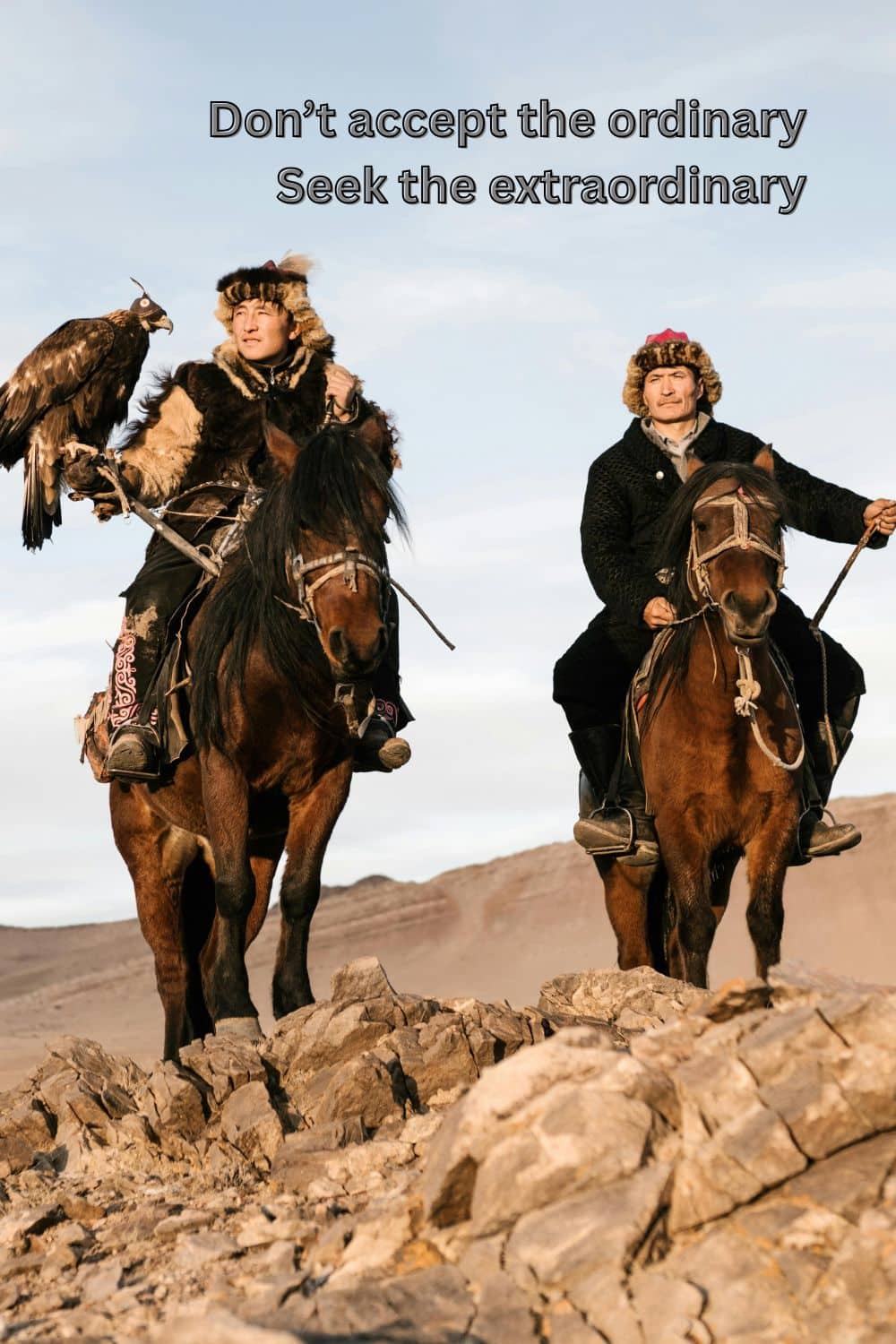
  • Day 6–12: Cross the Mongolian steppe and semi-desert with a nomadic family. Ride 5–7 hours a day, camp under the stars, learn herding, hunt with eagles, drink fermented mare’s milk.
  • Day 13–14: Reach the Altai Mountains, camp at high altitude, and finish with a traditional feast.
  • Day 15–16: Return to Ulaanbaatar, fly home.

Budget: ~$4,500–6,000 per person (flights ~$1,200, guided expedition ~$3,000–4,000, extras ~$1,000).

Why #2? It’s the last frontier of South America: glaciers, windswept plains, and mountains that look like God’s unfinished masterpiece. The Torres del Paine and Fitz Roy treks aren’t just hikes—they’re pilgrimages.

Program (18–20 days):

  • Day 1–2: London ? Santiago ? Punta Arenas.
  • Day 3–9: Torres del Paine “O” Circuit trek (7–9 days, ~80 miles). Sleep in tents/refugios, cook under jagged peaks.
  • Day 10–12: Cross into Argentina; El Calafate. Ice trek on the Perito Moreno glacier.
  • Day 13–16: Fitz Roy trek out of El Chaltén (Laguna de los Tres, Cerro Torre).
  • Day 17–18: Return to Buenos Aires. Steak, Malbec, tango. Fly home.

Budget: ~$3,500–5,000 per person (flights ~$1,500, guided treks ~$1,200–2,000, food/accom ~$1,000).

Why #3? Few journeys pack as much wildlife, danger, and variety. It’s the great African road trip: deserts, deltas, lions, elephants, rivers, and the thunder of the Falls. It feels like the whole world compressed into a single adventure.

Program (21 days):

  • Day 1–2: Fly London ? Cape Town. Hike Table Mountain, visit Cape of Good Hope.
  • Day 3–5: Travel through Namibia’s Skeleton Coast & climb the dunes of Sossusvlei.
  • Day 6–9: Etosha National Park—game drives with lions, elephants, rhino.
  • Day 10–14: Into Botswana—Okavango Delta mokoro canoe expedition + bush camping.
  • Day 15–18: Chobe National Park—river safaris with herds of elephants.
  • Day 19–21: Arrive at Victoria Falls. Whitewater raft the Zambezi or bungee jump the bridge. Fly out from Livingstone.

Budget: ~$4,000–5,500 per person (flights ~$1,000, overlanding tour ~$2,500–3,500, extras ~$1,000).

Why #4? Because it’s the edge of the world. Towering icebergs, penguin colonies, whales, and the most surreal landscapes on Earth. This is the closest you can get to being on another planet.

Program (12–14 days):

  • Day 1–3: London ? Buenos Aires ? Ushuaia (southernmost city on Earth).
  • Day 4–11: Sail across the Drake Passage. Zodiac landings on the Antarctic Peninsula, hike ice ridges, kayak alongside seals and whales.
  • Day 12–14: Return to Ushuaia, fly home.

Budget: ~$9,000–12,000 per person (flights ~$1,800, expedition cruise ~$7,000–10,000).

Why #5? It’s not about reaching the summit—it’s about the pilgrimage through Sherpa villages, monasteries, and towering peaks that make you feel small but alive. A rite of passage for adventurers.

Program (17–19 days):

  • Day 1–2: London ? Kathmandu. Explore temples, prep gear.
  • Day 3: Fly to Lukla (most dangerous runway in the world).
  • Day 4–13: Trek through Namche Bazaar, Tengboche Monastery, Dingboche, Gorakshep. Reach Everest Base Camp. Optional sunrise climb of Kala Patthar (18,500 ft).
  • Day 14–17: Trek back down, return to Kathmandu.
  • Day 18–19: Fly home.

Budget: ~$3,000–4,500 per person (flights ~$1,000, guided trek ~$2,000, permits & food ~$500–1,000).

These would all be memorable experiences, that’s for sure.

However, if you want a story you’ll still be telling in 50 years, then Mongolia on horseback is unbeatable, in my opinion. It’s primal, intimate, and it would be an experience beyond the modern world.

Patagonia and Africa overland would come close, but the raw silence of the steppe will stay with you forever.

Make Money

Now, dear reader, has this article whetted your appetite for a unique travel experience? An adventure that would be truly memorable.

Well, dear reader, don’t wait until someday. That day will never arrive. Start working on organising your adventure now. It won’t happen unless you make it happen.

At least look at what it would cost you. It may be less than you think.

Book it now, and I’m confident that you won’t regret it.

Please share this post with your friends:

Did you find this article interesting and valuable?

If so, then please share it on social media with your friends. When you share, everyone wins.

So go on, please share it right now. If you do, I will be forever grateful.

Thank you for being so supportive.

Top 10 Places to Visit in New York: Essential Attractions

New York City is a vibrant metropolis that beckons travelers from around the globe. Its iconic skyline, diverse neighborhoods, and world-class attractions make it a must-visit destination.

The city’s top attractions showcase its rich heritage and dynamic present. Visitors can explore famous landmarks like the Statue of Liberty, take in breathtaking views from observatories like the one at One World Trade Center, or immerse themselves in the arts at renowned museums and theaters. Each neighborhood offers its own distinct flavor, from the trendy streets of SoHo to the leafy paths of Central Park.

Key Takeaways

  • New York City offers a diverse array of attractions that cater to all interests and ages.
  • The city’s neighborhoods each provide unique experiences, from historic sites to cutting-edge art scenes.
  • Natural spaces and urban landscapes coexist, offering visitors both bustling city life and serene escapes.

Historical Significance

New York City brims with landmarks that shaped America’s past. These iconic sites offer glimpses into pivotal moments and cultural shifts that defined the nation.

Statue of Liberty

The Statue of Liberty stands as a symbol of freedom and democracy. Gifted by France in 1886, it welcomed millions of immigrants to America’s shores.

Lady Liberty’s copper-clad figure rises 151 feet tall on Liberty Island. Her torch represents enlightenment, while the tablet in her left hand displays the date of the Declaration of Independence.

Visitors can climb to the crown for panoramic views of New York Harbor. The statue’s pedestal houses a museum detailing its history and construction.

Empire State Building

The Empire State Building dominated New York’s skyline for decades after its 1931 completion. This Art Deco masterpiece exemplifies American ambition and engineering prowess.

Standing 1,454 feet tall with its antenna spire, it held the title of world’s tallest building for nearly 40 years. The skyscraper’s construction during the Great Depression provided jobs for thousands of workers.

Its 86th and 102nd-floor observatories offer breathtaking city views. The building’s changing light displays mark holidays and special events.

Ellis Island Immigration Museum

Ellis Island processed over 12 million immigrants entering the United States from 1892 to 1954. Today, it houses a museum chronicling this massive wave of immigration.

Exhibits recreate the immigrant experience, from medical exams to legal inspections. Visitors can search passenger records to trace their family history.

The restored Great Hall, where newcomers awaited processing, stands as a poignant reminder of America’s immigrant roots. The island offers stunning views of the Statue of Liberty and Manhattan skyline.

Cultural Experiences

New York City offers a wealth of cultural attractions that appeal to art lovers and theater enthusiasts. These iconic institutions showcase world-class performances and collections that define the city’s vibrant arts scene.

Broadway and the Theater District

Broadway is the heart of New York’s theater world. With over 40 theaters, it’s home to some of the best shows on Earth. Visitors can catch famous musicals like “The Lion King” and “Hamilton” or thought-provoking plays.

The area around Times Square buzzes with energy. Bright lights and billboards create an exciting atmosphere. Ticket booths offer same-day discounts for many shows.

For a true NYC cultural experience, catch a matinee or evening performance. The talent on display is amazing. Even the theaters themselves are works of art, with ornate interiors dating back decades.

Metropolitan Museum of Art

The Met is one of the world’s largest art museums. Its collection spans 5,000 years of human creativity. The main building on Fifth Avenue houses over 2 million works of art.

Highlights include Egyptian artifacts, European paintings, and American decorative arts. The rooftop garden offers great views of Central Park. The Met Cloisters in northern Manhattan focuses on medieval European art and architecture.

With so much to see, it’s smart to plan ahead. Pick a few key areas to explore in depth. The Met’s free audio guide provides helpful context for many exhibits.

Museum of Modern Art (MoMA)

MoMA is a must-visit for fans of modern and contemporary art. Its collection features iconic works by artists like Van Gogh, Picasso, and Warhol. The museum showcases painting, sculpture, photography, film, and design.

Immersive exhibits rotate regularly, keeping the experience fresh. MoMA’s sculpture garden is a peaceful spot to relax. The museum store sells unique gifts and art books.

Free guided tours help visitors understand key works. Friday evenings offer free admission, but expect crowds. Consider visiting on a weekday morning for a quieter experience.

Urban Landscapes

New York City boasts stunning urban landscapes that blend nature with architecture. These spaces offer a refreshing escape from the busy streets and provide unique perspectives of the city.

Central Park

Central Park is a 843-acre oasis in the heart of Manhattan. It features winding paths, lakes, and meadows that contrast with the surrounding skyscrapers.

Visitors can enjoy various activities in Central Park:

  • Boating on the lake
  • Picnicking in Sheep Meadow
  • Exploring Belvedere Castle

The park’s design includes bridges, arches, and sculptures that add to its charm. Bethesda Terrace and Fountain serve as a popular meeting spot and photo opportunity.

Central Park changes with the seasons, offering cherry blossoms in spring and colorful foliage in fall. It’s a year-round destination for both locals and tourists seeking a break from city life.

High Line Park

The High Line Park is a unique elevated green space built on a former railway line. It stretches for 1.45 miles along Manhattan’s west side, offering a new perspective of the city.

Key features of the High Line include:

  • Native plantings inspired by the wild landscape that grew on the abandoned tracks
  • Art installations that change regularly
  • Seating areas with views of the Hudson River and cityscape

The park’s design incorporates elements of the original railway, creating a blend of industrial history and modern urban planning. It passes through neighborhoods like Chelsea and the Meatpacking District, showcasing the city’s evolution.

Visitors can enjoy food vendors, seasonal events, and educational programs along the High Line. The park has become a model for urban renewal projects worldwide.

Brooklyn Bridge

The Brooklyn Bridge is not just a transportation link but a iconic urban landscape in itself. This historic structure offers panoramic views of Manhattan and Brooklyn skylines.

Walking or cycling across the bridge provides a unique experience:

  • The bridge’s Gothic arches and steel cables create a striking silhouette
  • Wooden planks on the pedestrian walkway add a rustic touch
  • Plaques along the way share interesting facts about the bridge’s history

At night, the bridge’s lights create a magical atmosphere. It’s a popular spot for photographers and romantics alike.

The Brooklyn Bridge Park at its base offers additional green space with lawns, playgrounds, and waterfront views. This area has transformed the former industrial waterfront into a vibrant public space.

Architectural Marvels

New York City’s skyline boasts some of the world’s most iconic structures. These buildings showcase incredible design and engineering feats that leave visitors in awe.

One World Trade Center

One World Trade Center stands as a symbol of resilience and hope. At 1,776 feet tall, it’s the tallest building in the Western Hemisphere. The tower’s design blends strength and beauty.

Its base is a sturdy concrete core. As it rises, the building transforms into a sleek glass structure. The tower’s eight isosceles triangles create an octagon at its center.

The building’s façade reflects sunlight, changing its appearance throughout the day. At night, its spire shines brightly, visible for miles. One World Trade Center offers stunning views of New York City from its observation deck on the 100th floor.

Chrysler Building

The Chrysler Building is a classic example of Art Deco architecture. Built in 1930, it briefly held the title of world’s tallest building. Its distinctive spire and ornate details make it a favorite among architecture fans.

The building’s crown features seven radiating terraced arches. These arches are adorned with triangular windows, creating a sunburst pattern. Stainless steel gargoyles, shaped like car hood ornaments, guard the corners.

Inside, the lobby dazzles with its red Moroccan marble walls and chrome details. A ceiling mural depicts scenes of modern industry and transportation. The Chrysler Building remains one of New York’s most beloved landmarks.

Scenic Vistas

New York City offers breathtaking views from high above the bustling streets. These elevated vantage points provide stunning panoramas of the iconic skyline, famous landmarks, and surrounding waterways.

Top of the Rock Observation Deck

The Top of the Rock Observation Deck sits atop 30 Rockefeller Plaza. It offers 360-degree views of Manhattan and beyond.

Visitors can see Central Park to the north and the Empire State Building to the south. The deck has three levels, including an open-air top floor.

Clear protective glass panels allow for unobstructed photo opportunities. Timed entry tickets help manage crowds and minimize wait times.

The deck is open from 9 AM to midnight daily. Sunset is a popular time to visit for golden hour lighting on the city.

Edge Hudson Yards

Edge is the highest outdoor sky deck in the Western Hemisphere. It juts out 80 feet from the 100th floor of 30 Hudson Yards.

The glass floor offers a thrilling view straight down to the streets 1,131 feet below. Angled glass walls provide uninterrupted views of the city.

Visitors can enjoy a champagne bar and indoor seating area. The outdoor deck features built-in benches for taking in the scenery.

Edge is open from 10 AM to 10 PM on weekdays and until midnight on weekends. Advanced tickets are recommended, especially during peak times.

Shopping Destinations

New York offers world-class shopping experiences. Two iconic areas stand out for their diverse retail offerings and unique atmospheres.

Fifth Avenue

Fifth Avenue is a shopper’s paradise in New York City. It’s home to many high-end flagship stores of famous brands.

Luxury shoppers flock to Gucci, Louis Vuitton, and Saks Fifth Avenue. These stores offer top-quality products and excellent customer service.

For a more budget-friendly experience, visitors can check out stores like Zara and H&M. These shops provide trendy fashion at affordable prices.

The iconic Apple Store on Fifth Avenue is a must-visit for tech enthusiasts. Its glass cube entrance is a popular photo spot for tourists.

SoHo

SoHo is known for its unique blend of high-end boutiques and trendy shops. The area’s cobblestone streets add charm to the shopping experience.

Fashion-forward visitors will love exploring designer stores like Alexander Wang and Chanel. These shops offer the latest in fashion and accessories.

For those seeking unique items, SoHo’s many independent boutiques are perfect. These stores often feature up-and-coming designers and one-of-a-kind pieces.

Art lovers can browse the neighborhood’s many galleries. These spaces showcase works from both established and emerging artists.

Gastronomic Delights

New York City offers amazing food experiences that will delight any foodie. From bustling markets to iconic delis, the city’s culinary scene has something for everyone.

Chelsea Market

Chelsea Market is a food lover’s paradise. This indoor food hall houses over 35 vendors selling everything from fresh produce to gourmet meals. Visitors can sample international street food and local specialties.

The market’s industrial-chic setting adds to its charm. Exposed brick walls and iron beams create a unique atmosphere. Shoppers can watch artisans make fresh pasta, bread, and cheese.

Popular stops include Los Tacos No. 1 for authentic Mexican tacos and Sarabeth’s Bakery for delicious pastries. The Lobster Place offers fresh seafood and sushi. For a sweet treat, try Fat Witch Bakery’s famous brownies.

Chelsea Market also hosts food events and cooking classes. These activities give visitors a chance to learn about different cuisines and cooking techniques.

Katz’s Delicatessen

Katz’s Delicatessen is a New York institution. Founded in 1888, this Lower East Side landmark is famous for its pastrami sandwiches. The deli’s old-school atmosphere and no-frills service add to its appeal.

Customers order at the counter and receive a ticket. They can watch as skilled carvers slice meats to order. The portions are generous, and the flavors are bold.

Besides pastrami, Katz’s offers other Jewish deli classics. These include corned beef, matzo ball soup, and potato knishes. The hot dogs and chopped liver are also popular choices.

Katz’s has appeared in many movies and TV shows. This has cemented its place in pop culture. Visitors often recreate the famous scene from “When Harry Met Sally” at the marked table.

Neighborhood Exploration

New York City offers diverse neighborhoods for visitors to discover. Two standout areas are Greenwich Village and Williamsburg, each with its own unique character and attractions.

Greenwich Village

Greenwich Village is a charming neighborhood in Lower Manhattan. It’s known for its artistic history and bohemian vibe. The area features tree-lined streets and beautiful brownstone buildings.

Washington Square Park is the heart of the Village. It’s a popular spot for people-watching and outdoor performances. The iconic arch is a must-see landmark.

The Village is home to many cozy cafes and jazz clubs. Visitors can enjoy live music at venues like the Blue Note or Village Vanguard. The neighborhood also offers great dining options, from casual eateries to upscale restaurants.

Williamsburg

Williamsburg is a trendy neighborhood in Brooklyn. It’s known for its hipster culture and vibrant arts scene. The area has transformed from an industrial zone to a hotspot for young creatives.

Bedford Avenue is the main street in Williamsburg. It’s lined with unique shops, vintage stores, and cool bars. Visitors can find one-of-a-kind items and local designs here.

The neighborhood boasts a thriving food scene. It’s home to many artisanal restaurants and craft breweries. On weekends, foodies flock to Smorgasburg, a popular outdoor food market.

Williamsburg also offers great views of the Manhattan skyline. The waterfront area is perfect for picnics or watching the sunset.

Natural Havens

New York offers stunning green spaces for nature lovers. These urban oases provide a break from the city’s hustle and bustle.

New York Botanical Garden

The New York Botanical Garden is a 250-acre paradise in the Bronx. It boasts over one million plants across 50 gardens and collections.

Visitors can explore the Enid A. Haupt Conservatory, a Victorian-style glasshouse. It houses tropical rainforests, deserts, and aquatic plants.

The Native Plant Garden showcases the beauty of local flora. It features over 100,000 native trees, shrubs, and flowers.

The garden’s Thain Family Forest is the largest remaining tract of old-growth forest in New York City. Visitors can hike through this 50-acre woodland and spot diverse wildlife.

Prospect Park

Prospect Park is Brooklyn’s green gem, designed by Frederick Law Olmsted and Calvert Vaux. This 526-acre park offers a variety of natural attractions.

The Long Meadow, a mile-long grassy expanse, is perfect for picnics and outdoor activities. It’s one of the longest continuous meadows in any U.S. urban park.

The park’s 60-acre lake provides a home for diverse wildlife. Visitors can rent boats or fish in designated areas.

Prospect Park’s Ravine is a forested area with waterfalls and streams. It’s a peaceful spot for hiking and birdwatching.

The park also features the Prospect Park Zoo, home to over 125 species of animals. It’s a great place to learn about wildlife conservation.

Waterfront Attractions

New York City’s waterfront offers stunning views and exciting activities. These two popular spots showcase the best of the city’s coastal charm.

Battery Park

Battery Park sits at the southern tip of Manhattan. It gives visitors amazing views of the Statue of Liberty and Ellis Island. The park has green spaces perfect for relaxing and enjoying the harbor scenery.

Visitors can take ferry rides to see Lady Liberty up close. The park also has several memorials and monuments to explore. These honor events like World War II and the Korean War.

For families, the SeaGlass Carousel is a fun attraction. This unique ride features colorful fish-shaped cars that spin and glow. The Battery Playscape offers creative play areas for kids.

South Street Seaport

South Street Seaport blends history with modern attractions. This area has cobblestone streets and restored 19th-century buildings. It sits along the East River, offering great views of the Brooklyn Bridge.

The seaport has many shops and restaurants to enjoy. Visitors can explore the South Street Seaport Museum to learn about maritime history. The museum includes restored ships that people can tour.

For entertainment, the seaport hosts outdoor movies and concerts in summer. The Pier 17 rooftop is a popular spot for events and shows. It offers amazing skyline views.

Visitors can also take boat tours from the seaport. These range from dinner cruises to speedboat rides around the harbor.

Frequently Asked Questions

New York City offers countless attractions and experiences for visitors to enjoy. From iconic landmarks to hidden gems, the city has something for everyone. Here are answers to some common questions about exploring NYC.

What are the must-see attractions for first-time visitors to New York City?

First-time visitors should check out Times Square, the Statue of Liberty, and Central Park. These attractions showcase the city’s energy, history, and natural beauty.

The Empire State Building and One World Trade Center offer amazing views of the city skyline. A walk across the Brooklyn Bridge provides a unique perspective of Manhattan.

Which landmarks in New York City are considered iconic and worth visiting?

The Statue of Liberty and Ellis Island are iconic symbols of American history and immigration. Both sites offer fascinating tours and exhibits.

Grand Central Terminal is a stunning example of Beaux-Arts architecture. Its celestial ceiling and famous clock make it a popular spot for photos.

Where can one find the best cultural experiences in New York City?

The Metropolitan Museum of Art houses an extensive collection of art from around the world. Visitors can spend hours exploring its galleries.

Broadway shows offer world-class theater performances. Tickets can be purchased in advance or at discounted rates from TKTS booths.

What are the top free activities to do in New York City?

Walking through Central Park is a free and enjoyable way to experience nature in the city. Visitors can see attractions like Bethesda Fountain and Strawberry Fields.

The High Line is an elevated park built on a former railway line. It offers unique views of the city and interesting art installations.

What hidden gems in New York City should tourists not miss?

The Tenement Museum on the Lower East Side provides insight into immigrant life in the 19th and 20th centuries. Tours of restored apartments bring history to life.

The Cloisters in northern Manhattan houses medieval art in a beautiful setting. Its gardens and architecture transport visitors to another time.

For an authentic New York City experience, which neighborhoods are recommended to explore?

Greenwich Village offers a bohemian atmosphere with its tree-lined streets and cozy cafes. Washington Square Park is a popular spot for people-watching.

TOP 10 PLACES TO VISIT IN NEW YORK
Top 10 Places to Visit in New York

New York City is everything you’d imagine it to be. They don’t call it the Big Apple for nothing.

You’d love to visit someday, right? Well, my friend, let me tell you, someday never comes. So, do it now. Enjoy the experience while you’re still young enough to make the most of it. Book it now and you won’t regret it, I can assure you.

So, go on, book it now!

Please share this post with your friends:

Did you find this article interesting and useful?

If so, then please share it on social media with your friends. When you share, everyone wins.

So go on, please share it right now. If you do, I will be ever so grateful, and you’ll be helping a keen blogger reach a wider audience.

Thank you for your support.

Top 10 Places to Visit in Jordan: Essential Attractions Guide

If you’re wondering about the Top 10 Places to Visit in Jordan, this article has been written just for you. I know Jordan well, and I’ve spent a lot of time there. I want to share with you what I know.

Jordan has a rare mix of ancient history, wild landscapes, and a culture that’s genuinely alive. From the rock-cut facades of Petra to the endless desert of Wadi Rum, every place shows off a different side of the country’s story. It also has some of the friendliest people you’ll meet anywhere.

You can float in the salty waters of the Dead Sea, stroll through Roman streets in Jerash, or dive into coral reefs near Aqaba. Amman and Madaba blend city life with old traditions, while the Dana Biosphere Reserve gives you a quiet escape into rugged nature.

Petra, a UNESCO World Heritage Site in southern Jordan, stands out for its rock-carved buildings and deep archaeological roots. People call it the Rose City because of the pink sandstone cliffs, and it’s a place where you feel the Nabataean legacy.

The Siq is this narrow, winding gorge that leads you into Petra. It stretches about 1.2 kilometres, with cliffs soaring up to 80 meters overhead.

Along the way, you’ll spot old carvings and niches tucked into the walls, remnants of ancient rituals. The shadows and tight turns build up the suspense as you head deeper.

Then, suddenly, the Treasury appears at the end of the gorge. That first glimpse is unforgettable, and it sets the mood for the rest of your Petra adventure.

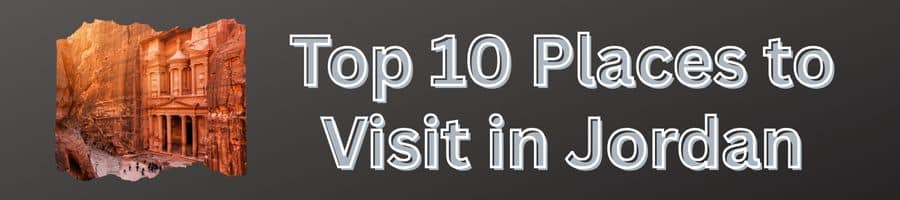
The Treasury, or Al-Khazneh, is Petra’s superstar. Carved right into the rock, its massive façade stands about 39 meters high, covered with columns and ornate details.

Most historians think it dates back to the 1st century AD, probably as a royal tomb. The precision here is mind-blowing—those Nabataean stonemasons knew what they were doing.

Early morning or late afternoon light makes the rose-red stone glow. Most folks view the Treasury from the ground, but if you’re up for a hike, nearby trails give you a new angle on this icon in the best places to visit in Jordan.

Ad Deir, or the Monastery, is one of Petra’s biggest monuments. It’s about 47 meters wide and 48 meters tall. It’s less ornate than the Treasury but just as imposing.

Getting there means climbing over 800 steps carved into the rock. The hike gives you killer views of the mountains and valleys around.

At the top, there’s a big open space where you can finally catch your breath and soak it all in. The Monastery feels remote, and its scale makes it a must-see place to visit in Jordan.

Wadi Rum, the Valley of the Moon, is a protected desert in southern Jordan. It’s famous for huge sandstone mountains, narrow canyons, and endless red sand, plus the chance to hang out with Bedouins in their own backyard.

This desert covers more than 700 square kilometres, with cliffs that shoot straight up from the sand. Wind has shaped the rock into arches, domes, and pillars over centuries.

Jebel Umm ad Dami, the country’s highest peak, and the Burdah Rock Bridge are standouts. Both spots are favourites for hikers and climbers.

The colours out here change all day, deep orange at sunrise, then soft pink as the sun sets. Some folks follow the Jordan Trail through Wadi Rum, linking it with other significant sights.

Wadi Rum’s got something for every adventurer. 4×4 jeep tours zip you around fast, stopping at viewpoints and sites like the old Hejaz Railway station.

If you want to slow down, camel rides are classic. They are helpful for quick hops or longer, more immersive journeys. The camels are surprisingly chill.

Rock climbing is big here, with routes for both newbies and pros. Sandboarding down the dunes is a blast, even if you end up with sand everywhere.

Bedouins have called Wadi Rum home for generations. These days, many run tours and desert camps, sharing meals, music, and stories passed down over centuries.

You can stay in anything from traditional tents to modern domes with glass ceilings for stargazing. Bedouin tea, which is sweet and made with sage, is a staple at camp.

Some camps offer night walks or telescopes for stargazing. The clear desert skies make the Milky Way pop like nowhere else.

The Dead Sea sits in the Jordan Valley and is honestly one of the country’s weirdest, coolest spots. The salt content is off the charts, so you float without even trying. The mud and mineral water are supposed to be great for your skin, too.

The Dead Sea is about 430 meters below sea level. It’s the lowest place on Earth you can visit. With salt levels more than eight times higher than the ocean, floating is effortless.

Most people use public beaches or resort areas along the Jordanian side. Don’t spend too long in the water, though. Ten to 15 minutes is usually enough.

Keep the water out of your eyes and mouth; it stings like crazy. Luckily, there are freshwater showers nearby for a quick rinse.

It’s an easy day trip from Amman or Madaba, less than an hour away. The Dead Sea resort area has safe entry points and plenty of extras for travellers.

Along the shore, you’ll find dark, mineral-rich mud that’s famous for its skin benefits. It’s packed with magnesium, sodium, potassium, and calcium, and supposedly great for hydration and circulation.

Most people slather on the mud, let it dry, then rinse off in the sea. Resorts here offer spa packages with mud wraps, massages, and thermal pools.

Some spas use water straight from the Dead Sea for baths and treatments. Wellness seekers and anyone with skin issues seem to love it.

Shops near the beach sell Dead Sea mud and salt so that you can take a little piece of the experience home.

I can tell you that Dead Sea soap is beneficial in managing eczema. If you’re a sufferer, I can recommend it, highly.

Jerash, up in northern Jordan, is packed with some of the best-preserved Roman ruins outside Italy. Walking its streets, you get a real sense of what life was like back in the day.

Grand avenues, temples, and theaters all show off the Romans’ love of order and design. The craftsmanship is something else.

The Colonnaded Street (Cardo Maximus) runs nearly 800 meters through Jerash. Stone columns line the way, and you can still spot the grooves from ancient cart wheels in the paving stones.

Major religious sites line this street. The Temple of Artemis stands out, with its tall Corinthian columns and detailed carvings. From up there, you get a great view of the ruins.

The Temple of Zeus sits on a high terrace, reached by a wide staircase. It once looked out over the main plaza and hosted big ceremonies. These temples blend Roman know-how with local style.

Jerash has two main theatres. The South Theatre, built in the 1st century AD, could seat over 3,000 people. Its design lets sound carry perfectly—even to the back row.

The North Theatre is smaller and was primarily used for meetings rather than performances. Both are in great shape, with seating and stage areas still visible.

You’ll also find the Arch of Hadrian, built for the emperor’s visit in 129 AD, and the Oval Plaza, a unique open space surrounded by columns. These spots show how Jerash was a big deal in Roman Jordan.

Amman is a city of layers, where ancient ruins sit alongside buzzing neighbourhoods. You can wander through history one minute, then grab coffee or haggle at a market the next. The city sprawls across hills, so the views are constantly changing.

The Citadel sits on Jabal al-Qala’a, the highest hill in Amman, and gives you sweeping views of the city. Ruins from the Roman, Byzantine, and Umayyad eras are scattered around, including the Temple of Hercules and the Umayyad Palace.

The Jordan Archaeological Museum is right there, showing off artefacts from all over Jordan, even some prehistoric finds. The open spaces make it easy to wander and take your time.

Down below is the Roman Theatre, a 6,000-seat amphitheatre from the 2nd century AD. It’s still used for concerts and events, which is pretty wild if you think about it.

Both sites are close together so that you can see them in one outing.

Amman’s cultural life thrives in areas like Rainbow Street. This spot is packed with cafes, art galleries, and street murals.

Locals and visitors flock here in the evenings. There’s always a buzz, and you can feel the city’s creative pulse.

Nearby, Jabal Al Lweibdeh has a quieter vibe. You’ll find small museums, bookshops, and buildings with traditional architecture.

Artists and students hang out here, which gives the district a creative, slightly laid-back feel. It’s a nice break from the city’s busier corners.

Downtown markets, or souks, sell everything from spices to textiles and fresh produce. These markets sit near historic mosques and Ottoman-era buildings.

It’s a pretty wild mix of eras, all within a walkable area.

Aqaba sits at Jordan’s southern tip, right on the Red Sea. The warm waters and marine life here are a big draw.

You can explore colourful coral reefs and historic shipwrecks. Water activities are available year-round thanks to calm conditions and clear visibility.

Aqaba’s coastline has some of the healthiest coral reefs in the region. Sites like the Japanese Gardens and Seven Sisters show off massive coral formations and a variety of fish.

Snorkelers often spot parrotfish, angelfish, and sometimes sea turtles. The reefs are close to shore, so you don’t need a boat to get there.

Public spots such as South Beach are free to enter. Still, many people choose private beach clubs for better facilities.

Places like Berenice Beach Club rent out gear and offer loungers and shade. Not a bad way to spend an afternoon between swims.

Water clarity often tops 20 meters, unless it’s windy. For safety and to protect the reefs, wear water shoes and don’t touch the coral.

Aqaba is a big name in diving circles, offering both shore and boat dives.

Popular sites include the Cedar Pride shipwreck, the Tristar plane wreck, and the Underwater Military Museum, where tanks and vehicles were sunk to create artificial reefs.

Dive depths range from shallow 10-meter spots for beginners to 30-meter wrecks for experienced divers. Operators like Aqaba Adventure Divers provide rentals, guides, and training.

If diving’s not your thing, you can try parasailing, jet skiing, or glass-bottom boat tours to see marine life without getting wet. The sea is usually calm, so most water sports are a breeze.

Dana Biosphere Reserve is Jordan’s largest protected area, spanning over 300 square kilometres. Here, you’ll find rugged mountains, deep valleys, and desert plains.

It’s not just nature. There’s a rich mix of ecological diversity and local culture. The landscapes change as you move through the reserve.

The reserve has several marked trails for all fitness levels. The Dana to Feynan Trail is a favourite, stretching about 14 kilometres from the green highlands to the dry desert.

Shorter routes like the Rummana Mountain Trail offer sweeping views of sandstone cliffs and Wadi Dana. The Wadi Dana Trail follows the valley floor and is great for spring and autumn hikes.

Many trails link up with the Jordan Trail, a long-distance route that runs the length of the country. Guided hikes give you local insight into geology, plants, and history.

Spring brings wildflowers and mild temperatures. In autumn, the weather is cooler and the skies are usually clear.

Bring good shoes, water, and sun protection on any hike. The terrain can be challenging, so come prepared.

Dana Biosphere Reserve is home to over 800 plant species and more than 200 kinds of birds, like the Syrian serin and Griffon vulture. Mammals such as the Nubian ibex, sand cat, and caracal live in these varied habitats.

The area protects rare and endemic species, making it a key spot for biodiversity in the Middle East. Conservation here focuses on habitat protection and sustainable tourism.

Guided wildlife tours help you spot elusive animals. Birdwatching is best early in the morning or late in the day when birds are most active.

Local Bedouin communities help with conservation by keeping up traditional practices that support the ecosystem. There’s a real blend of culture and environmental care here.

Madaba in central Jordan is famous for its detailed Byzantine and Umayyad mosaics. The city is also a centre for early Christian art.

Visitors come for both historic religious landmarks and the city’s lively cultural scene. There’s a lot to see for art and history fans.

Madaba is home to the Madaba Mosaic Map, a 6th-century floor mosaic that shows the oldest known map of the Holy Land. You’ll find it inside St. George’s Church, a Greek Orthodox building constructed in the late 19th century over older ruins.

The map’s details include Jerusalem, the Dead Sea, and other biblical sites. People value it for both its artistry and historical accuracy.

Other churches and the Madaba Archaeological Park also display mosaics. These works use tiny colored stone tiles to create geometric patterns, plants, and animals.

If you’re curious about history, the city’s mosaics offer valuable insights into religious life and craftsmanship in the eastern Mediterranean over 1,400 years ago.

Madaba has one of Jordan’s largest Christian communities, which has helped keep religious and artistic traditions alive. Many families pass down mosaic-making skills through generations.

Workshops in the city centre let you watch artisans cut and place stone tiles by hand. Some even offer short classes where you can make your own mosaic to take home.

The Madaba Museum and local galleries show off both ancient finds and modern works inspired by traditional designs. You’ll see wall panels, tables, and decorative plates.

Markets in the old town sell handmade crafts, embroidery, ceramics, and mosaics. It’s a great place to support local artisans.

Mount Nebo stands out for its deep ties to biblical history and well-preserved archaeological sites. Here, you can see landscapes tied to ancient scripture and explore ruins that reflect centuries of religious heritage.

From the summit, you get sweeping views of the Jordan Valley, the Dead Sea, and, on clear days, even parts of Jerusalem. This is the spot where, according to the Bible, Moses looked out over the Promised Land before his death.

At over 700 meters high, the mountain offers clear panoramas that attract both religious pilgrims and history buffs. The scenery changes with the seasons, and spring or autumn is usually best for visibility and comfort.

Informational plaques and viewing platforms help you pick out key landmarks in the distance. Many guided tours explain the history and significance of what you’re seeing.

At the top, the Memorial Church of Moses honours the prophet. The church stands on the remains of a 4th-century Byzantine basilica and holds some of the best-preserved mosaics in Jordan.

These mosaics show hunting scenes, animals, and geometric patterns, offering a glimpse into early Christian art. The site also has ancient walls and columns that hint at its long history as a place of worship.

A small museum displays artefacts found on Mount Nebo. There’s also a gift shop nearby selling locally made crafts and religious items.

These two sites in northern Jordan offer a direct look into different eras. One is a medieval fortress, the other, an expansive set of Greco-Roman ruins with dramatic views.

Ajloun Castle, or Qal’at ar-Rabad, was built in the late 12th century by a general of Saladin. Its main job was to guard the region from Crusader forces and control trade routes.

The fortress sits on a hilltop about an hour north of Amman. From its towers, you get wide views over the Jordan Valley and surrounding hills.

Inside, thick stone walls enclose vaulted rooms, narrow corridors, and defensive towers. Restored areas let you explore living quarters, storage rooms, and water cisterns that kept the garrison going during sieges.

A small museum displays pottery, coins, and weapons from different eras in Jordan’s history.

Umm Qais, once called Gadara, was part of the Decapolis, a group of ten Greco-Roman cities. It’s northwest of Ajloun, near the borders with Israel and Syria.

The site features a Roman theatre built from black basalt, collonaded streets, and remains of churches and baths. These structures date mainly from the 2nd century AD.

From the ruins, you can see the Sea of Galilee, the Golan Heights, and the Jordan Valley. The mix of ancient remains and natural views makes it a memorable stop.

The site’s history covers Roman, Byzantine, and Ottoman periods.

Frequently asked questions

Jordan offers a mix of ancient ruins, desert landscapes, and lively cities. You can explore archaeological wonders, enjoy outdoor adventures, and get a taste of local traditions.

From Roman theatres to colourful souks, the country has something for history lovers, nature fans, and shoppers. There’s always something to do.

Travellers often head to Petra, a UNESCO World Heritage Site known for its rock-cut architecture and the Siq pathway leading to the Treasury.

The ancient Roman city of Jerash has well-preserved collonaded streets, theatres, and temples. Mount Nebo, important in religious history, offers panoramic views and Byzantine mosaics.

Families love floating in the Dead Sea’s salty waters or exploring Amman’s Children’s Museum.

The Aqaba coastline is excellent for safe swimming and glass-bottom boat rides. Wadi Rum offers jeep tours that work for all ages.

The desert scenery of Wadi Rum features sandstone mountains. Broad valleys stretch out in every direction, making it feel almost otherworldly.

The Dana Biosphere Reserve has hiking trails that twist through canyons and along dramatic cliffs. If you’re after something soothing, the Ma’in Hot Springs invite you in with mineral-rich waterfalls and steamy pools.

Visitors can share tea with Bedouin hosts in Wadi Rum. You might also wander through traditional craft workshops tucked away in Madaba.

The Jerash Festival of Culture and Arts brings music, dance, and theatre to ancient ruins. It’s a lively mix of past and present and worth catching if you’re around.

The souks of Amman sell spices that fill the air, colourful textiles, and handmade jewellery. It’s easy to get swept up in the energy there.

Madaba stands out for its mosaic workshops. Down in Aqaba, markets brim with locally made soaps and crafts, perfect for souvenirs or gifts.

Spring, from March to May, usually brings mild temperatures and clear skies. It’s a great time for sightseeing if you ask me.

Autumn, between September and November, offers similar weather. You’ll find it’s comfortable for exploring.

Summer gets pretty hot, especially out in the desert. Winter’s cooler, and the north sometimes sees a bit of rain.

Now, dear reader, has this article whetted your appetite for visiting the wonderful Kingdom of Jordan and experiencing all it has to offer?

Jordan is a unique experience you can’t put off.

Petra is one of the New Seven Wonders of the World.

Floating in the Dead Sea is an experience like no other.

Sleeping under the stars in Wadi Rum is an experience you will never forget.

Snorkelling in the Red Sea, with its clear waters, abundant and vibrant coral reefs, and diverse marine life, would be another memorable experience.

And you can enjoy it all for less than a European getaway.

Jordan is calling you, so answer that call now. Yes, you say, someday I will.

Well, dear reader, don’t wait until someday. That day will never arrive. Start working on reducing your bucket list.

Check it out, now!

At least look at what it would cost you. It may be less than you think. There are packages to suit every pocket.

Book it now, and I’m confident that you won’t regret it.


Please share this post with your friends:

Did you find this article interesting and valuable?

If so, then please share it on social media with your friends. When you share, everyone wins.

So go on, please share it right now. If you do, I will be forever grateful.

Thank you for your support.

Top 50 Travel Destinations in the World: Ultimate Bucket List

If you’re searching for the Top 50 travel destinations in the world, this article has been written just for you, dear reader.

Are you dreaming of your next big adventure? The world is full of amazing places to explore, from stunning beaches to vibrant cities and ancient wonders.

A recent survey found that the top 50 bucket list travel destinations include some of the most beautiful spots on Earth.

These top destinations offer a mix of natural beauty, cultural experiences, and exciting activities. They range from tropical paradises like Bali and the Maldives to iconic cities like Paris and New York. The list also features breathtaking natural wonders such as the Grand Canyon and Great Barrier Reef.

Whether you’re looking for relaxation, adventure, or cultural immersion, there’s something for everyone among these top travel spots. Each destination has its own unique charm and attractions that make it worthy of a spot on any traveler’s wish list.

Key Takeaways

  • The world’s top travel destinations offer diverse experiences from beaches to cities to natural wonders
  • Popular bucket list locations include tropical islands, European capitals, and iconic landmarks
  • Travelers can find options for relaxation, adventure, and cultural exploration among these top spots

Why Travel?

Travel opens up a world of new experiences and opportunities. It allows people to step out of their comfort zones and explore different cultures, cuisines, and ways of life.

Visiting new destinations expands one’s perspective and fosters personal growth. It challenges preconceived notions and broadens horizons, leading to increased empathy and understanding.

Travel also provides a break from daily routines and stress. It offers a chance to relax, recharge, and create lasting memories with loved ones or new friends met along the way.

For many, travel is an educational experience. It provides opportunities to learn about history, art, and nature firsthand, often in ways that books or videos cannot match.

Some key benefits of travel include:

  • Cultural immersion
  • Personal growth
  • Stress relief
  • Educational experiences
  • Adventure and excitement

Travel can also boost mental health by providing a sense of accomplishment and self-confidence. Navigating unfamiliar places and overcoming challenges can be empowering.

Ultimately, travel enriches lives by offering unique experiences and perspectives that can’t be gained any other way. It creates stories and memories that last a lifetime.

Top Destinations in North America

North America offers diverse landscapes and iconic attractions. From natural wonders to vibrant cities, the continent has something for every traveler.

United States

The Grand Canyon in Arizona is a breathtaking natural wonder. Its vast size and colorful rock layers attract millions of visitors each year.

Yellowstone National Park spans Wyoming, Montana, and Idaho. It’s home to geothermal features like Old Faithful geyser and diverse wildlife.

New York City’s Empire State Building offers stunning views of the city skyline. Visitors can enjoy its observation deck and art deco architecture.

San Francisco’s Golden Gate Bridge is an engineering marvel. Its orange towers are a symbol of the city and offer great photo opportunities.

Canada

Banff National Park in Alberta is known for its turquoise lakes and mountain scenery. Lake Louise and Moraine Lake are popular spots for hiking and photography.

Niagara Falls, straddling Ontario and New York, is a powerful natural spectacle. Visitors can view the falls from boats, observation decks, or nearby parks.

Vancouver combines urban charm with outdoor beauty. Its Stanley Park, beaches, and mountain views make it a top destination.

Mexico and the Caribbean

Cancun on Mexico’s Yucatan Peninsula is famous for its white sand beaches and clear waters. It offers luxury resorts, water sports, and nearby Mayan ruins.

The Caribbean islands boast pristine beaches and rich cultures. Jamaica, the Bahamas, and the Dominican Republic are popular vacation spots.

Snorkeling and diving enthusiasts flock to the Caribbean’s coral reefs. The Great Maya Reef and the Cayman Islands offer vibrant underwater experiences.

Top Destinations in Central and South America

Central and South America offer diverse landscapes, rich cultures, and unforgettable experiences for travelers. From lush rainforests to ancient ruins and vibrant cities, this region has something for everyone.

Costa Rica

Costa Rica is a nature lover’s paradise. Its beaches, rainforests, and volcanoes make it perfect for outdoor adventures.

Costa Rica’s national parks are home to unique wildlife. Visitors can spot sloths, monkeys, and colorful birds.

The country is great for eco-tourism. Many resorts use sustainable practices. Travelers can enjoy zip-lining, hiking, and white-water rafting.

Costa Rica’s coasts offer excellent surfing and scuba diving. The warm waters are home to sea turtles and tropical fish.

Brazil

Brazil is South America’s largest country. It has vibrant cities, beautiful beaches, and the Amazon rainforest.

Rio de Janeiro is famous for its beaches and Cristo Redentor statue. Visitors can enjoy samba music and the annual Carnival celebration.

São Paulo is a diverse metropolis with world-class museums and restaurants. It’s a great place for culture and food lovers.

The Amazon rainforest covers a large part of Brazil. Travelers can take river cruises to see exotic plants and animals.

Peru

Peru is known for its ancient Incan ruins and diverse landscapes. It attracts history buffs and adventure seekers alike.

Machu Picchu is Peru’s most famous attraction. This ancient Incan city sits high in the Andes mountains. Visitors can hike the Inca Trail or take a train to reach it.

Lima, the capital, offers colonial architecture and amazing food. Peruvian cuisine is considered some of the best in the world.

The Sacred Valley near Cusco has more Incan ruins and traditional markets. It’s a great place to learn about local culture.

Patagonia

Patagonia spans parts of Chile and Argentina. It’s known for dramatic landscapes and outdoor activities.

Torres del Paine National Park in Chile has stunning mountain peaks and glaciers. Hikers can explore well-marked trails and see unique wildlife.

Argentina’s Los Glaciares National Park is home to the Perito Moreno Glacier. Visitors can watch huge chunks of ice break off into the water.

Patagonia offers activities like skiing, kayaking, and wildlife watching. Travelers might spot guanacos, condors, or even penguins.

Top Destinations in Europe

Europe offers a wealth of incredible travel experiences. From iconic landmarks to stunning natural wonders, the continent has something for every type of traveler.

Western Europe

France is a top destination in Western Europe. The Eiffel Tower in Paris draws millions of visitors each year. Its iron lattice structure offers breathtaking views of the City of Light.

Italy boasts numerous attractions. The ancient Colosseum in Rome stands as a testament to the Roman Empire’s grandeur. Visitors can explore its massive arena and imagine the gladiatorial contests of the past.

Florence captivates art lovers with its Renaissance masterpieces. The Uffizi Gallery houses works by Botticelli, Leonardo da Vinci, and Michelangelo. The city’s architecture, including the iconic Duomo, showcases the beauty of Italian design.

Eastern Europe and the Baltics

Eastern Europe offers a mix of history and natural beauty. Prague’s Old Town Square charms visitors with its medieval astronomical clock and Gothic architecture.

The Baltics provide unique experiences. Tallinn, Estonia’s capital, features a well-preserved medieval old town. Its narrow cobblestone streets and towering church spires transport visitors back in time.

Krakow, Poland, blends history with modern culture. Visitors can explore Wawel Castle, a symbol of Polish royalty, and enjoy the city’s vibrant food scene.

Northern Europe

Northern Europe captivates with its stunning landscapes. Norway’s fjords offer breathtaking natural beauty. Visitors can take boat tours through steep cliffs and cascading waterfalls.

Iceland’s unique geography amazes travelers. The Blue Lagoon’s geothermal waters provide a relaxing experience amid volcanic landscapes.

Stockholm, Sweden, combines urban charm with island beauty. The city spans 14 islands, each with its own character. Visitors can explore the medieval Gamla Stan and world-class museums.

Southern Europe

Southern Europe entices with its warm climate and rich history. Greece’s ancient ruins tell tales of mythology and philosophy. The Acropolis in Athens stands as a symbol of Western civilization.

Spain’s diverse regions offer varied experiences. Barcelona’s unique architecture, including Gaudi’s Sagrada Familia, captivates visitors. The Alhambra in Granada showcases stunning Moorish design.

Portugal’s coastal cities charm travelers. Lisbon’s colorful streets and historic trams provide a picturesque setting. Porto’s wine cellars offer tastes of the famous port wine.

Mediterranean Adventures

The Mediterranean coast offers sun-soaked adventures. The French Riviera dazzles with glamorous beaches and charming towns. Nice and Cannes provide a mix of relaxation and luxury.

Italy’s Amalfi Coast features dramatic cliffs and colorful villages. Visitors can explore Positano’s winding streets and enjoy fresh seafood with stunning sea views.

Greek islands offer idyllic escapes. Santorini’s white-washed buildings and blue-domed churches create a postcard-perfect setting. Visitors can watch breathtaking sunsets over the Aegean Sea.

Top Destinations in Asia

Asia offers a diverse array of stunning locales, from ancient temples to modern metropolises. The continent’s rich history, vibrant cultures, and breathtaking landscapes make it a top choice for travelers seeking unforgettable experiences.

East Asia

Japan stands out as a must-visit destination in East Asia. The country’s cherry blossom season draws visitors from around the world. Tokyo blends ultra-modern technology with traditional customs, offering unique experiences for all types of travelers.

China’s Forbidden City in Beijing is a testament to imperial grandeur. This vast complex of palaces and courtyards spans nearly 200 acres. Visitors can explore its intricate architecture and learn about China’s rich history.

South Korea’s Seoul combines ancient palaces with cutting-edge technology. The city’s vibrant street food scene and K-pop culture attract many young travelers.

Southeast Asia

Thailand’s beaches and islands are renowned for their beauty. Phuket and Koh Samui offer pristine sands and crystal-clear waters. Bangkok’s bustling streets and ornate temples provide a stark contrast to the relaxed coastal areas.

Bali, Indonesia is a paradise for beach lovers and culture enthusiasts alike. The island’s lush rice terraces, ancient temples, and yoga retreats make it a top pick for many travelers.

Vietnam’s Ha Long Bay features thousands of limestone islands rising from emerald waters. The country’s vibrant cities like Hanoi and Ho Chi Minh City offer a mix of colonial architecture and modern energy.

South Asia

India’s Taj Mahal is an iconic symbol of love and architectural brilliance. This white marble mausoleum in Agra attracts millions of visitors each year. Its intricate designs and symmetrical gardens are a sight to behold.

The Maldives offers luxury overwater bungalows and world-class diving. Its turquoise lagoons and white sand beaches make it a top honeymoon destination.

Nepal’s Himalayas draw trekkers and mountaineers from across the globe. The country’s ancient temples and friendly locals add cultural richness to the natural beauty.

Middle East

Dubai dazzles visitors with its futuristic skyline and luxury shopping. The Burj Khalifa, the world’s tallest building, offers panoramic views of the city and desert beyond.

Jordan’s ancient city of Petra, carved into rose-colored cliffs, is a UNESCO World Heritage site. Nearby, the Dead Sea’s mineral-rich waters allow visitors to float effortlessly.

Israel’s Jerusalem holds religious significance for three major faiths. The city’s Old Town, with its winding alleys and historic sites, transports visitors back in time.

Top Destinations in Africa

Africa offers diverse landscapes and experiences for travelers. From ancient wonders to stunning wildlife, the continent has something for everyone.

North Africa

Egypt stands out as a top destination in North Africa. The Great Pyramids of Giza are a must-see for history buffs. Visitors can explore the Valley of the Kings in Luxor.

Cairo’s bustling markets offer a taste of local culture. The Egyptian Museum houses ancient treasures, including King Tutankhamun’s artifacts.

Tunisia blends Mediterranean charm with Saharan adventures. Visitors can explore Roman ruins at Carthage. The island of Djerba offers beautiful beaches and traditional villages.

Morocco’s colorful cities are popular with tourists. Marrakech’s vibrant souks and Fez’s ancient medina are highlights. The Atlas Mountains provide hiking opportunities.

South Africa

South Africa boasts diverse attractions. Cape Town is a favorite city for many travelers. Table Mountain offers panoramic views of the city and coastline.

The country’s national parks provide excellent safari experiences. Kruger National Park is home to the “Big Five” animals. Visitors can spot lions, elephants, and rhinos.

The Garden Route offers scenic coastal drives. Stops include Knysna’s lagoon and Tsitsikamma National Park.

Johannesburg gives insight into South Africa’s history. The Apartheid Museum and Soweto township tours are educational experiences.

East Africa

Kenya is famous for its wildlife safaris. The Masai Mara National Reserve hosts the Great Migration. Visitors can watch wildebeest cross crocodile-filled rivers.

Tanzania’s Serengeti National Park is another wildlife hotspot. Mount Kilimanjaro, Africa’s highest peak, attracts climbers from around the world.

Rwanda offers unique gorilla trekking experiences. Volcanoes National Park is home to mountain gorillas. Visitors can hike through lush forests to see these rare primates.

Uganda’s Bwindi Impenetrable Forest is another gorilla habitat. Queen Elizabeth National Park offers tree-climbing lions and boat safaris.

Exotic Islands

Madagascar is known for its unique wildlife. Lemurs and chameleons are found nowhere else on Earth. The Avenue of the Baobabs is a stunning natural landmark.

The Seychelles boast pristine beaches and turquoise waters. Praslin Island’s Vallée de Mai is home to rare coco de mer palms. La Digue Island offers secluded beaches and giant tortoises.

Mauritius combines luxury resorts with natural beauty. Black River Gorges National Park protects native forests. The Seven Colored Earths geopark displays multicolored sand dunes.

Zanzibar’s Stone Town reflects its rich history. Spice tours showcase the island’s aromatic crops. Pristine beaches like Nungwi offer relaxation and water sports.

Top Destinations in Oceania

Oceania offers stunning natural wonders, vibrant cities, and unique cultural experiences. From Australia’s iconic landmarks to New Zealand’s breathtaking landscapes and the South Pacific’s tropical paradises, this region has something for every traveler.

Australia

Australia boasts diverse attractions across its vast landscape. The Great Barrier Reef is a must-visit, offering incredible marine life and colorful coral formations. Snorkeling and diving here are unforgettable experiences.

Sydney’s skyline is dominated by the famous Opera House, an architectural marvel and symbol of the city. Visitors can enjoy performances or take guided tours of this UNESCO World Heritage site.

For nature lovers, Uluru in the Outback provides a spiritual connection to the land. The massive red rock formation is especially stunning at sunrise and sunset.

New Zealand

New Zealand’s landscapes are a mix of rolling hills, dramatic mountains, and pristine coastlines. The country is a paradise for outdoor enthusiasts and movie buffs alike.

Hobbiton, the film set from The Lord of the Rings, offers a magical experience for fans. Visitors can explore the Shire and enjoy a drink at the Green Dragon Inn.

Auckland, the largest city, combines urban amenities with easy access to nature. The Sky Tower provides panoramic views, while nearby islands offer wine tasting and hiking opportunities.

Queenstown is the adventure capital, with activities like bungee jumping, skydiving, and skiing available year-round.

South Pacific Islands

The South Pacific Islands are renowned for their pristine beaches, crystal-clear waters, and laid-back atmosphere. Fiji is a popular destination, offering luxurious resorts and excellent snorkeling.

Tahiti, in French Polynesia, is famous for its overwater bungalows and romantic ambiance. Visitors can relax on black sand beaches or explore lush mountain interiors.

Bora Bora’s lagoon is a natural wonder, with its stunning turquoise waters and abundant marine life. It’s perfect for water activities and relaxation.

The Cook Islands offer a more off-the-beaten-path experience, with traditional Polynesian culture and unspoiled natural beauty.

Top Destinations in Antarctica

Antarctica offers unique travel experiences for adventurous souls. The continent’s icy landscapes and wildlife draw visitors from around the world.

Paradise Bay is a must-see destination. Its calm waters and towering glaciers create a peaceful setting for exploration.

South Georgia Island stands out as a wildlife haven. Visitors can see large colonies of king penguins in their natural habitat.

For those seeking solitude, Campbell Island offers a pristine environment. Located south of New Zealand, it remains largely untouched.

Kayaking is a popular activity in Antarctica. Travelers can paddle among icebergs and observe marine life up close.

Antarctica’s beauty extends beyond its icy shores. The continent boasts stunning mountain ranges and volcanic landscapes.

Visitors can also explore research stations to learn about scientific work in the region.

While challenging to reach, Antarctica rewards travelers with unforgettable sights and experiences. Its unique ecosystem and dramatic scenery make it a top destination for those seeking adventure in untouched wilderness.

Unique Accommodations

Travelers seeking extraordinary lodging experiences have many options around the world. From historic hotels to beachfront resorts and mountain retreats, unique accommodations offer unforgettable stays in stunning locations.

Historic Hotels

Historic hotels blend luxury with a rich past. The Ritz Hotel in Paris opened in 1898 and has hosted royalty and celebrities. Its opulent rooms feature antique furnishings and chandeliers.

New York’s Waldorf Astoria, built in 1931, is known for its Art Deco design. The hotel’s famous clock tower in the lobby is a popular meeting spot.

Some historic hotels occupy former castles or palaces. Guests can stay in rooms once used by kings and queens. These properties often have museums or guided tours to showcase their heritage.

Beach Resorts

Beach resorts offer relaxation with ocean views. Many have private beaches where guests can swim and sunbathe. Overwater bungalows in places like Bora Bora let visitors sleep above crystal-clear lagoons.

Some resorts feature unique water activities. Glass-bottom boats, submarine tours, and underwater restaurants provide sea life views without getting wet.

Eco-friendly beach resorts use solar power and sustainable materials. They often offer nature walks and conservation programs to educate guests about local ecosystems.

Mountain Retreats

Mountain lodges provide cozy spots to enjoy nature. In Banff National Park, hotels overlook snow-capped peaks and glacial lakes. Guests can hike, ski, or soak in hot springs nearby.

Montana’s dude ranches offer a taste of cowboy life. Visitors can go horseback riding and attend campfire cookouts. Some ranches have luxury spas for post-trail relaxation.

Treehouse hotels are becoming popular in forested areas. These elevated rooms give guests a bird’s-eye view of the surrounding wilderness. Many have large windows or balconies to take in the scenery.

Adventure and Activities

Travel experiences offer exciting ways to explore new places. From water sports to land expeditions and cultural immersion, there’s something for every type of adventurer.

Water-Based Activities

Scuba diving lets you explore underwater worlds. The Great Barrier Reef in Australia offers colorful coral and marine life. Thailand’s islands provide clear waters for snorkeling.

White water rafting thrills seekers in Costa Rica’s rivers. Kayaking through fjords in Norway gives a unique perspective on dramatic landscapes.

Cruises combine luxury and adventure. Alaska’s Inside Passage showcases glaciers and wildlife. The Galapagos Islands offer close encounters with unique species.

Water parks provide family fun. Dubai’s Aquaventure Waterpark features record-breaking slides.

Land-Based Excursions

Hiking trails span the globe. Peru’s Inca Trail leads to Machu Picchu. Nepal’s Everest Base Camp trek challenges even experienced hikers.

Safaris in Africa bring you face-to-face with wildlife. Kenya’s Masai Mara and Tanzania’s Serengeti host the Great Migration of wildebeest.

Zip-lining through Costa Rica’s rainforests offers an adrenaline rush. Skiing in the Swiss Alps combines sport with stunning mountain views.

Desert excursions in Morocco’s Sahara let you camp under the stars. Iceland’s otherworldly landscapes are perfect for ATV tours.

Cultural Experiences

Ancient temples offer glimpses into past civilizations. Cambodia’s Angkor Wat complex spans 400 square kilometers. Japan’s Fushimi Inari Shrine features thousands of torii gates.

Mayan ruins in Mexico and Guatemala transport you back in time. Tikal’s pyramids rise above the jungle canopy.

Cooking classes teach local cuisine. Learn to make pasta in Italy or pad thai in Thailand.

Traditional festivals immerse you in local culture. India’s Holi celebration covers participants in colorful powder. Spain’s Running of the Bulls in Pamplona tests your bravery.

Seasonal Travel

The world offers unique experiences in every season. From snowy ski slopes to sun-soaked beaches, colorful fall foliage to vibrant spring blooms, each time of year brings its own magic to different destinations.

Winter Escapes

Winter transforms many places into snow-covered wonderlands. Ski resorts become popular hotspots for winter sports enthusiasts. Places like Aspen, Colorado and the Swiss Alps offer world-class skiing and snowboarding.

For those seeking warmth, tropical destinations like Hawaii and the Caribbean provide a sunny retreat. These islands boast pristine beaches and crystal-clear waters perfect for swimming and snorkeling.

Winter also brings unique natural phenomena. The Northern Lights can be seen in places like Iceland, Norway, and Alaska. These colorful light displays in the night sky draw travelers from around the globe.

Summer Destinations

Summer is peak travel season for many destinations. Beaches worldwide come alive with sunbathers and surfers. Popular coastal spots include the French Riviera, Bali, and Australia’s Gold Coast.

Amusement parks see huge crowds in summer. Disney World in Florida and Universal Studios in California offer thrilling rides and family-friendly entertainment.

National parks are another summer favorite. Yellowstone and Yosemite in the U.S. showcase stunning natural beauty. Visitors can hike, camp, and spot wildlife in these protected areas.

European cities like Paris, Rome, and Barcelona are popular in summer. Travelers enjoy outdoor cafes, historical sites, and long daylight hours for sightseeing.

Autumn Getaways

Fall brings cooler temperatures and stunning foliage in many regions. New England in the U.S. is famous for its autumn colors. Vermont and New Hampshire offer scenic drives through forests of red, orange, and gold leaves.

Foliage tours are popular in Japan as well. The momijigari tradition involves viewing colorful maple leaves in places like Kyoto and Nikko.

Wine regions come alive in autumn with harvest festivals. Napa Valley in California and Tuscany in Italy offer wine tastings and vineyard tours.

Cities like Munich in Germany host Oktoberfest, drawing beer lovers from around the world. This festive atmosphere makes fall a great time for cultural experiences.

Spring Festivities

Spring brings new life and celebrations to many destinations. Japan’s cherry blossom season is world-renowned. Visitors flock to Tokyo and Kyoto to see pink blooms in parks and along riverbanks.

The Netherlands bursts with color during tulip season. Keukenhof Gardens near Amsterdam displays millions of flowers in a dazzling array.

Music festivals kick off in spring. Coachella in California attracts top artists and music fans to the desert for a weekend of performances.

Washington D.C. hosts its National Cherry Blossom Festival, combining natural beauty with cultural events. The pink blooms around the Tidal Basin create a picturesque setting for visitors.

Exploring Unique Cultures

Travel offers a chance to experience diverse cultures and traditions firsthand. From bustling cities to ancient landmarks, the world is full of places that showcase human history and creativity.

Cultural Hubs

New York City is a melting pot of cultures. Its neighborhoods reflect influences from around the globe. Visitors can sample foods from countless countries and hear dozens of languages spoken on the streets.

London blends old-world charm with modern diversity. The city’s museums house artifacts from many civilizations. Its theaters showcase world-class performances nightly.

Paris is known for its art and fashion. The Louvre displays treasures from various eras and regions. The city’s cafes and nightlife spots attract people from all walks of life.

These cities never sleep. Their 24-hour energy lets travelers immerse themselves in local culture at any time.

Historical Landmarks

The Pyramids of Giza stand as testaments to ancient Egyptian engineering. These massive structures have captivated visitors for millennia. Tourists can explore the pyramids’ interiors and learn about pharaonic culture.

China’s Great Wall stretches over 13,000 miles. It showcases the determination of multiple Chinese dynasties. Hiking along the wall offers views of stunning landscapes and insights into Chinese history.

Petra in Jordan features buildings carved into red rock cliffs. This ancient city was a vital trade hub. Its mix of architectural styles reflects diverse cultural influences.

These landmarks give travelers a glimpse into past civilizations. They help us understand how people lived and worked long ago.

Frequently Asked Questions

Travelers seek diverse experiences, from stunning natural wonders to cultural marvels. Popular destinations span the globe, offering unique adventures and unforgettable sights.

What are the most beautiful destinations to visit in the world?

Many stunning places exist around the world. Venice, Italy charms visitors with romantic canals and historic architecture. The Maldives boast pristine beaches and clear turquoise waters.

Natural wonders like Machu Picchu in Peru and the Serengeti in Tanzania also top beauty lists. These spots offer breathtaking views and unique landscapes.

Which international travel spots are considered must-see for avid travelers?

Avid travelers often seek iconic landmarks and cultural experiences. Paris, France remains a favorite for its art, cuisine, and the Eiffel Tower.

Tokyo, Japan attracts visitors with its blend of ancient traditions and cutting-edge technology. Other popular spots include the Great Wall of China and the Taj Mahal in India.

What are some unique travel locations that offer a one-of-a-kind experience?

Some destinations stand out for their distinct offerings. St. Lucia, named after a woman saint, provides a unique Caribbean experience.

Dubai in the United Arab Emirates impresses with its superlative attractions, including the world’s tallest building. Iceland’s otherworldly landscapes of geysers and glaciers also offer unparalleled experiences.

What are the top-rated vacation destinations for the year?

Popular vacation spots change yearly, but some consistently rank high. Bali, Indonesia remains a favorite for its beaches, culture, and relaxation.

Thailand continues to attract visitors with its mix of bustling cities and serene islands. Greece, especially Santorini, draws travelers seeking beautiful scenery and rich history.

What destination ranks as the number one tourist spot globally?

The top tourist destination can vary based on different factors and surveys. Often, cities like Paris, London, and New York vie for the top spot.

Natural wonders like the Grand Canyon or cultural sites like the Pyramids of Giza also rank highly. The “number one” spot often depends on the criteria used for ranking.

Where can I find a list of the best places to visit before I die?

Many travel websites and publications offer “bucket list” destinations. These lists often include iconic spots like Machu Picchu in Peru.

Other common entries include the Great Barrier Reef in Australia and the Northern Lights in Scandinavia. Travel magazines and online travel forums also provide curated lists of must-visit places.

For all of us, there are places we plan to visit someday. However, someday never comes, dear reader. The best time to travel is now. Visit those places you’d love to visit while you’re young enough to enjoy them all. Don’t wait! Go now!

At the very least, explore what it would cost you. It might be a lot less than you think.

So, go on, stop dreaming and start actively planning. Right here, right now!

Please share this post with your friends:

Did you find this article interesting and useful?

If so, then please share it on social media with your friends. When you share, everyone wins.

So go on, please share it right now. If you do, I will be ever so grateful, and you’ll be helping a keen blogger reach a wider audience.

Other articles you might also find interesting:

10 Must-See Travel Destinations for 2026 (Before Everyone Else Goes)

If you’re wondering about must-see travel destinations for 2026, then this article is for you, dear reader.

In a post-COVID world, travel feels different. There’s a buzz in the air.

You’ll see cities hosting major sporting spectacles and stumble into quiet corners where old traditions still pulse through daily life. These are the places for curious travellers chasing stories they’ll still be telling years from now.

This year, some locations are unveiling new cultural gems, celebrating big milestones, or just making it easier for you to get in and explore. There’s something on every continent, no matter how you like to travel.

Urban adventures? Coastal escapes? Wild animal encounters? These trending spots promise memories you won’t shake off—and without elbowing through the usual crowds.

  • 2026’s top destinations mix culture, special events, and better visitor access
  • Choices run from Olympic European cities to wild African parks and peaceful Asian heritage towns
  • This year’s hotspots focus on authenticity, eco-friendly travel, and real cultural connections

Destinations for 2026 are all about real experiences, respecting the planet, and places where beauty and history go hand in hand. The best trips next year strike a balance: a little adventure, a little sustainability, and a lot of support for local people.

People are ditching the packed tourist traps. In 2026, smaller cities and nature getaways are stealing the spotlight—think genuine, not gimmicky.

The Indian Himalayas are leading the pack. Picture yourself hiking wild trails one day, then meditating in a centuries-old monastery the next.

  • Mountain adventures
  • Wellness and spiritual escapes
  • Eco-tourism in untouched places
  • Deep dives into historic cities
  • Beaches with real local flavour

Las Vegas is still a magnet, but now it’s the tech and entertainment scene that pulls you in. Okinawa’s got a vibe all its own—tropical beaches plus history you don’t get on mainland Japan.

Top destinations now put culture front and centre. Marrakech? You’ll get lost in its buzzing souks, age-old palaces, and lush gardens.

Killarney serves up lake views and storied castles, all wrapped in County Kerry’s rolling green. The San Juan Mountains are a paradise for hikers and skiers who want wild, untouched terrain.

Papagayo Peninsula in Costa Rica means Pacific sunsets and wildlife everywhere you look. St Julian’s is more than just a resort—it’s a slice of Mediterranean life, with traditions that linger beyond the beaches.

In 2026, your travel dollars can actually make a difference. The best destinations give back to the community and protect what makes them special.

Try eco-tours in Costa Rica or the Himalayas, where your visit helps save wildlife and keeps crowds in check. These places work hard to keep the magic alive for the next traveller.

  • Tourism run by locals, for locals
  • Wildlife conservation efforts you can join
  • Staying and eating at local spots
  • Nature reserves with smart visitor limits
  • Culture that isn’t just for show—it’s real

Panama City and Marbella pull off a tricky balance. You get city perks and easy beach escapes, but nature still has room to breathe.

Kyoto is Japan’s soul—ancient temples, peaceful gardens, and traditions that feel alive. Spring explodes with cherry blossoms, but honestly, every season here has its own magic.

Cherry blossoms usually bloom from late March to early April. The Philosopher’s Path is a must—cherry trees line a quiet canal, and it’s just dreamy.

Maruyama Park glows at night with lanterns strung up for evening picnics. Locals love the Imperial Palace grounds for laid-back hanami under the trees.

Top blossom spots:

  • Arashiyama riverside
  • Kiyomizu-dera Temple’s hillside
  • Nijo Castle gardens

Go early if you want some peace—crowds show up fast. Blossoms last about two weeks, but the timing dances around each year. If you miss spring, autumn’s red maples are just as stunning.

Kyoto’s got over 1,600 temples and 400 shrines. Fushimi Inari Taisha’s tunnels of orange gates are a photographer’s dream, especially if you beat the crowds in the morning.

Kinkaku-ji is pure gold—literally—and floats above its pond. Kiyomizu-dera hangs over the city on wooden stilts. Wander Gion for old-school tea houses and maybe spot a geisha slipping down the street.

Book a real tea ceremony if you can. It’s quiet, meditative, and surprisingly moving. Ryoan-ji’s rock garden is all about simplicity—just stones and gravel, but somehow it sticks with you.

Nishiki Market is five blocks of Kyoto flavours—think yuba, pickles, matcha, everything. Try the grilled mochi or pick up some seasonal sweets.

On the 21st, To-ji Temple’s flea market pops up with vintage kimono, crafts, and antiques. The five-story pagoda towers over everything—hard to miss.

  • Kaiseki (seasonal, multi-course feasts)
  • Yudofu (simple, comforting tofu)
  • Obanzai (home-style veggie dishes)

Menus change with the weather—bamboo shoots in spring, wild mushrooms in fall. Book ahead if you want a table in Pontocho or along the Kamogawa River—these places fill up fast.

Milan is about to be electric. February 2026 brings the Winter Olympics, and suddenly Italy’s style capital is all about snow sports, art, and food—what a combo.

The Milano Cortina Games run from February 6 to 22. It’s the first time two cities split the Winter Olympics, and Milan kicks it off with a massive opening at San Siro Stadium.

The Olympic Village is rising on Milan’s south side, transforming an old rail yard into the heart of the action. Getting around is a breeze with the metro and special Olympic shuttles.

The whole city comes alive—streets packed with fans, pop-up parties, and restaurants rolling out Olympic-inspired menus. You don’t have to love sports to soak up the buzz.

Milan is fashion central—designer shops line Via Montenapoleone and the Quadrilatero della Moda. Da Vinci’s The Last Supper hides in Santa Maria delle Grazie, but you’ll need to book way ahead to see it.

The Duomo’s spires cut the skyline, and the rooftop views are unreal. La Scala’s opera stage is legendary—catch a show or just tour the museum if you can.

Food here is next level: risotto alla milanese, cotoletta, ossobuco. Michelin stars sparkle all over town, but the local trattorias serve up the real deal. Aperitivo hour is a ritual—order a drink in Navigli or Brera and the snacks just keep coming.

Abu Dhabi is rewriting the rulebook for culture lovers. The Saadiyat Cultural District is filling up with world-class museums and mind-blowing architecture.

Louvre Abu Dhabi is already open and dazzling. Soon, the Zayed National Museum and Guggenheim Abu Dhabi will join the party, making this the Middle East’s ultimate arts hub.

This district is a game-changer. Saadiyat Island packs multiple museums and art spaces into one walkable waterfront zone.

Stroll along pedestrian paths between bold modern buildings, public art, and performance spaces. Every museum has its own vibe, but together they create something totally unique.

There’s more than just galleries—artist residencies, conservation labs, and creative workshops buzz with activity. This place is about making and sharing art, not just looking at it.

Louvre Abu Dhabi opened in 2017 and instantly became a must-see. Jean Nouvel’s dome scatters sunlight like a rain of stars—it’s unreal in person.

Inside, 12 galleries take you on a journey from ancient civilizations to modern art. The layout is thematic, not chronological, so you might find a Greek statue next to a Chinese scroll or a Picasso.

The museum borrows treasures from 13 French institutions, including the Paris Louvre. Highlights? Da Vinci’s La Belle Ferronnière, ancient Egyptian relics, and bold contemporary installations.

You’ll wander through centuries of creativity, seeing how art connects people across time and culture. It’s a feast for the senses and the soul.

The Zayed National Museum will honour the UAE’s founding father, Sheikh Zayed. Foster + Partners designed it with towers shaped like falcon feathers—a nod to the country’s heritage.

Inside, interactive exhibits and personal artefacts tell the story of the UAE’s rise. You’ll get a feel for Sheikh Zayed’s vision and how he shaped the nation.

Galleries cover everything from Emirati traditions to the country’s wild transformation. Immersive displays and storytelling bring history to life—kids and adults alike will find something to love.

The Guggenheim Abu Dhabi is set to be the biggest in the world. Frank Gehry’s design is all curves and drama, inspired by traditional wind towers.

This museum will focus on contemporary and modern art, especially from the Middle East, North Africa, and South Asia—artists you rarely see in Western galleries.

With over 42,000 square meters of gallery space, there’s room for everything from tiny works to massive installations. Outdoor terraces and performance spots spill the experience outside.

The opening date is still a bit of a moving target, but anticipation is sky-high. The Guggenheim will put Abu Dhabi on the global art map for good.

Mallorca is Spain’s island gem—sunny coastlines, rugged mountains, and villages that feel frozen in time. You’ll find white-sand beaches like Es Trenc, ancient caves, and the wild peaks of the UNESCO-listed Serra de Tramuntana.

Ready to start planning the adventure you’ll be raving about for years? Don’t wait—head over to Expedia and discover your next unforgettable destination. The world’s waiting, and these experiences won’t book themselves!

Some of the Mediterranean’s finest beaches are scattered along Mallorca’s wild coastline. Es Trenc Beach, for example, stretches out with soft white sand and water so clear it almost looks unreal.

This spot stays mostly untouched, with dunes and natural beauty instead of hotels and crowds. If you’re after a quieter escape, it’s hard to beat.

Cala Mondragó Natural Park protects two hidden coves on the island’s southeastern edge. You can swim in calm blue water or wander the coastal trails through fragrant Mediterranean plants.

The island’s villages have a vibe all their own. Valldemossa sits tucked in the Serra de Tramuntana mountains, where Chopin once stayed at the old monastery.

Here, cobblestone streets wind past stone houses and old-school cafés. It’s got that storybook feel people dream about.

Alcúdia Old Town keeps its medieval walls and narrow streets, leading you to market squares and ancient churches. There’s something magical about getting lost here.

Palma de Mallorca, the island’s capital, is home to the dramatic Gothic Palma Cathedral and the round Castell de Bellver. The Old Town buzzes with cafés and shops, perfect for wandering and people-watching.

The Serra de Tramuntana mountains cut across northwestern Mallorca. This UNESCO World Heritage Site offers hiking and cycling through rocky peaks and green valleys.

On a clear day, the winding roads reveal sweeping views of the Mediterranean below. It’s the kind of scenery that sticks with you.

Cap de Formentor juts out from the island’s northern tip. You can drive the winding road to the lighthouse, stopping at cliffside viewpoints that’ll make your jaw drop.

Underground, the Cuevas del Drach near Porto Cristo reveal vast caverns filled with stalactites and stalagmites. Tours include a classical music concert—played from boats gliding across Lake Martel, one of the world’s largest underground lakes.

Lisbon blends old-world charm with a fresh, creative energy. You’ll spot Gothic monasteries, 16th-century towers, and a food scene that’s all about local flavors and Portuguese tradition.

The Jerónimos Monastery is Lisbon’s architectural gem. Built in 1502 with spice trade riches, it’s a World Heritage site that flaunts Manueline Gothic style—stonework inspired by the sea and Portugal’s adventures abroad.

Vasco da Gama’s tomb rests here, and the cloisters are a masterclass in craftsmanship. It’s honestly hard not to be impressed.

Belém Tower rises from the Tagus River, a symbol of Portugal’s Age of Discovery. This 16th-century fortress once guided explorers as they sailed out to map the world.

St. George’s Castle stands on Lisbon’s highest hill. The Visigoths built the first walls, and the Moors expanded them centuries later. Walk the ramparts for panoramic city views—seriously, bring your camera.

Portas do Sol Viewpoint gives you the best angle on old Lisbon. White church towers, colorful houses, and domes spill down the hillside toward the river. It almost feels more like a Mediterranean village than a capital city.

Lisbon’s food scene is all about tradition and fresh, local ingredients. Markets and restaurants connect you straight to Portugal’s rich farmland.

Time Out Market gathers Lisbon’s top chefs and food stalls under one roof. You can sample everything from classic bacalhau to modern takes on Portuguese favorites, all using what’s in season.

Lx Factory turns a former industrial space into a food lover’s paradise. Weekend markets bring in farmers and artisans, while restaurants and cafés keep the old industrial vibe but serve up dishes made with ingredients sourced nearby.

The Ribeira Market has been the city’s main food market since 1892. Local vendors sell fish, meat, cheese, and produce every day—so you get the same top-quality ingredients as Lisbon’s best chefs.

Mexico City draws millions with its mashup of ancient history and modern flair. The city bursts with world-class museums, historic buildings, and a food scene that spans taco stands to Michelin stars.

Each Mexico City neighborhood has its own creative pulse. At Casa Estudio Luis Barragán, you’ll see the genius of Mexico’s most iconic architect. The Museo Frida Kahlo lets you peek inside the artist’s famous blue house, filled with her life and art.

In Polanco, you’ll find high-end shops and bold architecture at Museo Jumex and Museo Soumaya. Roma Norte’s boutique hotels and leafy streets are made for café hopping. Condesa, with its art deco buildings and parks, feels more laid-back and local.

Street art pops up everywhere, and Diego Rivera’s murals at Palacio de Bellas Artes are legendary. The building itself is a blend of Art Nouveau and art deco, which is pretty unique. For something different, catch Lucha Libre wrestling at Arena Coliseo or float down the ancient canals at the Floating Gardens of Xochimilco.

Mexico City’s dining scene is world renowned. At Quintonil, chefs use Mexican ingredients with a modern twist, while Pujol serves up a taco omakase experience you’ll talk about for years.

Farm-to-table spots like Máximo Bistrot change their menus with the seasons. And street food? It’s everywhere. Try birria at Tacos Don Juan, barbacoa at Los Tres Reyes, or al pastor at Tacos Del Valle. Locals flock to Contramar for seafood and long, leisurely lunches.

Popular dining experiences include:

  • Masala y Maíz – where Mexican, Indian, and East African flavors collide
  • Rosetta – delivers regional Mexican ingredients in creative ways
  • Expendio de Maíz Sin Nombre – a no-menu taco spot full of surprises
  • Churrería El Moro – classic churros and hot chocolate, perfect anytime

The city’s cocktail scene is buzzing, too. Check out mezcalerías and secret bars like Hanky Panky or the moody, candlelit Ticuchi.

Oregon’s Willamette Valley is a paradise for wine lovers. Over 700 wineries, just an hour from Portland, pour world-class Pinot Noir and serve up farm-fresh cuisine that shows off the Pacific Northwest’s bounty.

McMinnville is the heart of Oregon wine country, with tasting rooms ranging from cozy family spots to grand estates. Tasting fees usually run between £8 and £24, so you can try plenty without breaking the bank.

The region’s volcanic soils and cool weather are perfect for Pinot Noir. Most wineries welcome visitors year-round, but spring and autumn are especially comfortable for touring.

You can hit several tasting rooms in one day, since everything’s close by. Many wineries offer tours of their vineyards and cellars, not just tastings. Book ahead if you’re coming between May and October—it gets busy.

The Wine Touring Guide lists over 500 tasting rooms across seven Oregon regions. McMinnville’s downtown is compact, so you can walk from one tasting to the next without needing a car.

Oregon wine country restaurants get their ingredients straight from local farms. Menus shift with the seasons, so you’ll always taste what’s freshest.

The Willamette Valley grows more than just grapes—think hazelnuts, berries, veggies, and grass-fed meats. Many wineries even have their own gardens or team up with nearby farmers to supply their kitchens.

Chefs here keep things simple, letting the ingredients shine. Farmers’ markets in McMinnville and nearby towns give you a chance to snag the same produce top chefs use.

Some wineries offer food pairing experiences—think local cheese and charcuterie matched to their wines. It’s a delicious way to see how Oregon’s food and wine traditions go hand in hand.

Luang Prabang sits where the Mekong and Nam Khan rivers meet in northern Laos. This UNESCO World Heritage town blends French colonial charm with golden Buddhist temples. You can witness daily alms-giving ceremonies or chase waterfalls nearby.

Luang Prabang has over 30 Buddhist temples, each with its own character and artistry. Wat Xieng Thong is the crown jewel, with its famous Tree of Life mosaic and sweeping roofs that almost touch the ground.

Mount Phousi rises above the town. Climb the 328 steps to Wat Chom Si at the summit for panoramic views over the rivers and mountains. It’s a bit of a workout, but worth every step.

The Royal Palace Museum preserves the former royal home. Inside, you’ll see the Phra Bang Buddha, religious treasures, and rooms left just as they were in the monarchy’s final days. No photos allowed, so you’ll have to remember it the old-fashioned way.

Wat Wisunarat dates back to 1513 and is the oldest temple in Luang Prabang. Its round ‘Watermelon Stupa’ is instantly recognizable.

Every morning before sunrise, Buddhist monks walk the streets for the alms-giving ceremony. Locals and visitors offer sticky rice and food, but you’ll need to dress modestly and keep quiet to show respect.

The night market takes over Sisavangvong Road from 5pm to around 10pm. It’s packed with handwoven textiles, silver jewelry, bamboo lamps, and Lao crafts. Prices are usually better than in Thailand or Vietnam, but bargaining is part of the fun.

Cooking classes teach you to make laap (minced meat salad), tam mak hoong (papaya salad), and sticky rice—often starting with a market visit and ending with recipes you can actually bring home.

Ready for real adventure? Kaokoland and Mana Pools deliver wild African landscapes and stories you’ll tell forever. Kaokoland stuns with desert scenery and ancient cultures, while Mana Pools offers wildlife encounters along the mighty Zambezi River.

Kaokoland lies in northwestern Namibia’s Kunene Region, stretching from the Kunene River down to the Hoanib. You’ll need a four-wheel-drive to get around—this is serious off-the-grid territory.

The terrain is wild: mountains, deserts, big open valleys. Desert elephants roam here, sometimes trekking up to 200 kilometers for water. Their home ranges cover about 3,000 square kilometers, which is just mind-blowing.

The Ovahimba people still live a semi-nomadic life. Women use a mix of butter fat, herbs, and ochre to protect their skin from the sun and bugs. You can visit the Ovahimba Living Museum, about 40 kilometers north of Opuwo on the C43 road, for a real glimpse into their way of life.

Epupa Falls is the star attraction. The Kunene River tumbles 60 meters over 1.5 kilometers, creating cascades and pools shaded by palms and wild fig trees. It’s the kind of place you’ll want to linger.

So, what are you waiting for? The world’s most unforgettable destinations are just a few clicks away. Start planning your next adventure with Expedia—and get ready to make memories you’ll talk about for years. Your secret travel story starts now.

Mana Pools National Park stretches along the southern bank of the Zambezi River in northern Zimbabwe. The park covers 2,196 square kilometres of wild floodplains and woodlands.

Here, you can actually walk among big game—something you just can’t do in most African parks. Elephants, lions, leopards, and African wild dogs roam these lands.

During the dry season (May to October), animals crowd the riverbanks. This makes wildlife viewing pretty spectacular, honestly.

The park’s name? It comes from four massive pools left behind by the Zambezi’s ancient channels. These pools draw hippos, crocodiles, and a jaw-dropping array of birds.

More than 350 bird species call Mana Pools home. If you’re a birder, you’ll never want to leave.

Canoe safaris give you a totally different perspective. Imagine paddling past elephants sipping at the edge or hippos half-submerged in the shallows.

Professional guides lead walking safaris here, so you can get close to wildlife in their own backyard. It’s the kind of adventure you’ll talk about for years.

2026 is shaping up to be wild for travelers—think rare celestial shows, natural wonders, and new ways to cruise the world’s oceans in serious style.

A total solar eclipse will sweep across parts of Europe on August 12, 2026. It’s one of those once-in-a-lifetime moments, and the path of totality cuts through Iceland, western Spain, and northern Portugal.

Iceland’s remote landscapes and lack of light pollution make it a dream spot to catch the eclipse. Reykjavik works, but heading out to the countryside? Even better.

Spain’s northern coast is tempting too. Cities like Bilbao and Santander land right in the path, so you can mix eclipse-chasing with Basque food and culture.

Northern Portugal offers another option, with warmer weather if Iceland’s chill isn’t your thing. The eclipse itself will last about two minutes at its peak—blink and you’ll miss it.

Hotels fill up fast for these events, so book early if you want a front-row seat.

Iceland’s Blue Lagoon keeps popping up on bucket lists, and for good reason. Those milky-blue waters stay toasty between 37-39°C all year, thanks to volcanic heat bubbling up from below.

Silica and algae in the water give the lagoon its unreal color. Supposedly, the minerals are great for your skin too.

You can get an in-water massage, grab a drink at the swim-up bar, or try out different bathing areas. The Retreat Spa offers a more private, upscale experience if you’re in the mood to splurge.

Visit in winter and you might even catch the Northern Lights swirling overhead while you soak. Now that’s a story to tell.

Four Seasons Yachts launched its first ship in early 2026. It’s a new spin on luxury ocean travel, with just 95 suites onboard—so you’ll never feel crowded.

Mediterranean itineraries focus on smaller ports where big cruise ships can’t go. Think secret coves on the Italian Riviera, tucked-away Greek islands, and Croatian harbors you’ve probably never heard of.

Every stop includes curated shore experiences designed by the Four Seasons team. It’s not your typical cruise.

In the Caribbean, winter routes offer escapes to private beaches and hidden islands. The yacht’s shallow draft lets it reach anchorages that bigger ships can only dream about.

Your fare covers meals, drinks, and all the water sports toys—so you won’t get nickel-and-dimed at every turn.

Planning a trip for 2026? You’re not alone. Travelers keep asking about new hotspots, unique adventures, safety, hidden gems, eco-friendly options, and where to take the whole family.

South Korea is on fire right now. The country welcomed over 16 million tourists in 2024—a whopping 48.4% jump. Seoul and Busan are still the main draws, but new rail lines make it easier to reach places like Donghae and Gyeongju.

The Dominican Republic is stepping up its game, too. Punta Cana just got new luxury hotels like the W and St Regis, and a Four Seasons is opening in Samana Bay in 2026. The island’s going all in on its natural beauty, from rainforests to highlands.

Miches, on the northeast coast, gives you access to Los Haitises National Park. You can hike Redondo Mountain or spot humpback whales in Samana Bay between January and April.

The total solar eclipse on August 12, 2026, is a can’t-miss. Reykjavík, A Coruña, Bilbao, Mallorca, Menorca, and Ibiza all sit right in the path where the moon completely blocks the sun. Even Barcelona, Madrid, and Santiago de Compostela will see impressive partial eclipses.

In Brazil’s Pantanal wetlands, you might spot jaguars, giant anteaters, tapirs, maned wolves, and giant river otters. The Amazon Basin is still the world’s top spot for rainforest and river adventures.

Philadelphia is throwing a massive party for the 250th anniversary of the Declaration of Independence on July 4, 2026. The city’s historic sites and its role as a FIFA World Cup host make it a place to watch.

Northumberland in England is all about space. With just 170 people per square mile, you’ll find peace and quiet in Northumberland National Park, which covers 405 square miles and barely 2,000 residents. The College Valley only lets in 12 cars a day, so it stays tranquil.

Mantua, Italy, is a safe, manageable alternative to the tourist crush in bigger cities. Its medieval center is compact, full of arcaded streets and cobbled alleys, and you can walk everywhere. Plus, you’re just a short train ride from Verona, Vicenza, Parma, and Modena.

South Korea keeps improving its tourist infrastructure. English is more widely spoken, and T-money and WOWPASS cards make getting around a breeze. The train network connects the whole country in just a few hours.

Mantua is still flying under the radar, even with its Renaissance palaces and art. The Palazzo Ducale has 1,000 rooms with Mantegna frescoes, and the Palazzo Te is a Mannerist gem. The lakes and canals give the town a dreamy vibe, and it’s a UNESCO World Heritage Site.

Northumberland is criminally underrated. The National Park turns 70 in 2026, and Kielder Forest—England’s largest—hits its 100th birthday. Nine new Reiver Trails now link Kielder with Hadrian’s Wall, making it a hiker’s paradise.

Gda?sk in Poland keeps a low profile compared to other European cities. Its historic architecture and Baltic Sea access mean you get the charm without the crowds.

Northumberland’s College Valley limits cars to protect the air. Only 12 vehicles get in daily. The new Reiver Trails welcome cyclists, walkers, horseback riders, and soon, routes for wheelchairs and buggies.

Brazil is doubling down on rainforest conservation and sustainable tourism after hosting COP30 in Belém in late 2025. Prince William even visited Rio to highlight the country’s environmental initiatives.

Kielder Castle in Northumberland reopens in summer 2026 as a revamped visitor hub. The forest sets an example for sustainable land management, and the National Park’s dark sky protections keep the environment—and stargazing—top-notch.

Ready to make 2026 your most unforgettable travel year yet? Don’t wait—start planning your adventure now at Expedia. The world’s best-kept secrets are waiting. Why not be the one to discover them first?

The solar eclipse lands right in the middle of UK school summer holidays—August 12, 2026. If you’ve got school-age kids, this is a rare chance to catch totality together.

Spanish islands like Mallorca, Menorca, and Ibiza? They’re calling. You get the eclipse, plus classic beach days and warm Mediterranean nights. And honestly, the next European eclipse won’t happen again until 2053, so why wait?

Philadelphia mixes learning and fun in a way that’s honestly hard to beat. Independence National Historical Park lets you walk through American history, with sights like the Liberty Bell and other 1776 landmarks.

The Philadelphia Museum of Art is a real treat—one of the best in the country. The city’s also buzzing with energy during the World Cup matches in June and July, so you can soak up the excitement on and off the field.

The Dominican Republic’s shaking off its old reputation as just a spot for all-inclusives. Now, families can wander through Los Haitises National Park or hike up Redondo Mountain near Miches.

Between January and April, Samana Bay turns into a whale-watching paradise. If you’re after a splash of luxury, new resorts like the Four Seasons are rolling out the red carpet for families who want a little extra comfort.

Ready to make memories that’ll have your family talking for years? Don’t just dream about it—start planning your next adventure now at Expedia. Your secret travel story is waiting!

There are many incredible places to visit around the world. Where would you like to go, dear reader?

Wherever it is, your trip won’t happen unless you make it happen. And to make it happen, it starts with planning.

So, with a new year upon us, start your planning now.

At least take a look at what it would cost? Looking costs nothing and, if nothing else, it can be fun. It it might all be a lot cheaper than you think.

So, go on, take a look now.

Did you find this article interesting and useful?

If so, please share it on social media with your friends.

When you share, everyone wins.

So, go on, please share it right now. If you do, I will be forever grateful.

Thank you, dear reader.

Hidden Beaches in Portugal for Couples: The Ultimate Guide

This article explores the hidden beaches in Portugal for couples.

Portugal’s coastline runs for over 800 kilometres. It’s packed with romantic escapes for couples who crave privacy and natural beauty.

Popular beaches like Comporta and Praia da Marinha usually draw big crowds. Still, plenty of hidden beaches remain untouched—perfect for those intimate moments together.

From Sintra’s rugged shores to the Algarve’s limestone caves, these hidden gems have everything from adventurous cliff hikes to peaceful sunset spots.

Many coastal spots aren’t easy to find without help from local people. Couples who discover them feel like they’ve found something truly special.

Whether you’re up for adventure in hidden tunnels or just want a quiet time beside waterfalls spilling onto golden sand, Portugal’s concealed beaches will provide you with a memorable experience.

  • Portugal has many secluded beaches that are ideal for couples seeking privacy and natural beauty
  • Hidden beaches stretch along the whole coast, from wild northern shores to cozy Algarve coves tucked behind rock tunnels
  • Many secret spots need a bit of local knowledge or a short hike, making them perfect for couples who love a little adventure

Portugal’s hidden coastlines give couples intimate settings with dramatic cliffs, clear water, and peace you just can’t find on the main beaches. These places offer real privacy and stunning backdrops for romance.

Hidden beaches act like natural sanctuaries for couples to enjoy time together without interruption. Unlike the busy tourist beaches, these spots give you the privacy for real conversations and sweet gestures.

Many of Portugal’s hidden beaches need a short hike or local guidance to find. That journey becomes part of the romance—shared adventure, shared memories.

  • Secluded coves hugged by tall cliffs
  • Golden sands without the crowds
  • Natural rock formations that carve out private spaces
  • Sunsets with no one else around

Praia da Ursa near Sintra nails this vibe. The beach hides between rugged cliffs and is only reachable by a steep trail that keeps most people away.

Portugal’s hidden coastal gems show off wild geological shapes that make every beach feel different. Each spot brings something unique to the table.

The Algarve’s limestone caves and arches offer natural privacy. Praia do Carvalho, for example, makes you walk through a tunnel in the rock before you get to the beach—then you’re surrounded by high stone walls.

  • Red earth cliffs at Praia do Telheiro
  • Freshwater waterfalls meeting the sea at Praia dos Alteirinhos
  • Natural rock pools for private dips
  • Striking rock formations for photos

With so many different settings, couples can pick the vibe they want—from wild Atlantic beaches to sheltered, Mediterranean-feeling coves.

Secret beaches that locals love stay peaceful, even in summer. Couples can actually relax, without the buzz and noise of the bigger spots.

These places usually don’t have beach bars, loud music, or vendors. It’s just the sound of the waves and seabirds. And isn’t that all you need sometimes?

  • Private conversations without interruption
  • Plenty of space to spread out
  • Natural sounds that help you unwind
  • No commercial distractions

Praia da Samoqueira near Porto Covo is a perfect example. Locals love its golden sand and rock pools, and it keeps its quiet charm all year.

The Algarve hides three incredible beaches where couples can find privacy and jaw-dropping scenery. Expect dramatic limestone cliffs, clear water, and cozy coves—basically, everything you want for a romantic escape.

Praia do Carvalho in Lagoa might be the Algarve’s most romantic secret. The adventure starts as you walk through a tunnel carved right into the rock.

  • Location: Between Porches and Carvoeiro
  • Parking: Nearby
  • Walk: 5 minutes through the rock tunnel

Once you step out of the tunnel, the beach just opens up—golden sand surrounded by tall limestone walls that block the wind. It’s stunning.

The small size keeps things intimate. The turquoise water is perfect for swimming or snorkelling around the rocks. You can even poke into little caves at the base of the cliffs.

Best visiting times are early morning or late afternoon, when the cliffs glow in the light. Even during the day, it’s never as crowded as big-name beaches like Praia da Rocha.

Praia da Marinha is famous, but it still feels peaceful—great for couples who want beauty but not total isolation. The beach sits between carved limestone formations that act like natural privacy screens.

  • Clean golden sand
  • Clear water
  • Epic rock formations
  • Clifftop walking paths

You’ll need to walk down a set of wooden steps cut into the cliff. It’s not too tough, but it does keep some people away. The water here is some of the clearest you’ll find in Portugal.

Rock arches frame the beach, making it a perfect spot for romantic photos. The eastern end is the most private, tucked under overhanging cliffs.

Swimming conditions are good all year thanks to the sheltered spot. The south-facing beach gets plenty of sun, even in cooler months.

Praia do Barraquinho in Lagoa might be the ultimate secret cove for couples who want total privacy. It’s tucked between Mediterranean greenery and golden cliffs.

  1. Park at Albandeira beach car park
  2. Take the coastal path to the right as you face the sea
  3. Walk 5-10 minutes along the cliffs
  4. Look for the big rock out in the water

The cove is tiny, so you might have it all to yourselves. The water is crystal clear, with colourful fish around the rocks—snorkelling here is a must.

  • Sheltered sandy cove
  • Clifftop Mediterranean plants
  • Large offshore rock
  • Great snorkelling spots

You get total seclusion, but it’s still easy to reach. Unlike the crowded eastern Algarve, this western spot keeps its wild, untouched feel all season.

The Costa Vicentina and Alentejo regions hide some of Portugal’s most pristine beaches. Here, dramatic cliffs meet golden sand, and couples find real privacy. These hidden treasures stay far from the usual tourist crowds.

Praia da Murração is one of the most remote beaches on Portugal’s southwest coast. You’ll need to hike through coastal scrub to get there, so only the dedicated make it down.

The beach sits in the Costa Vicentina Natural Park, safe from any development. Tall cliffs surround the sand, making a natural amphitheatre for total solitude.

Swimming isn’t always easy because of the Atlantic waves, but honestly, the wild scenery makes up for it. You’ll spot native plants and birds you won’t see anywhere else.

  • 30-minute walk from the nearest parking
  • No facilities or services
  • Best to visit at low tide

Named after Portugal’s legendary fado singer, Praia da Amália is an untouched cove hidden along the Rota Vicentina trail. Couples follow a forest path to reach this secret bay.

The beach has clear water and soft sand, with cliffs covered in wildflowers. At one end, a little waterfall trickles into the sea—honestly, it’s rare to find that on any European beach.

Even in summer, Praia da Amália stays almost empty. The tricky access and pristine setting make it ideal for couples who want an intimate spot.

The protected coast keeps the water calm—perfect for swimming or snorkelling together.

Praia do Amado is famous for surfing, but it still has quiet stretches for couples. It’s a big beach, so you can pick between action and peace.

The north end draws surfers with big Atlantic waves, while the south side is calmer. Couples can watch the surf scene or claim their own private patch among the dunes.

  • Wide sand with dunes behind
  • Consistent surf breaks
  • A couple of small cafés
  • Nearby parking

Even when it’s busy, there’s space to spread out. Early mornings are especially peaceful, with sunrise over the Atlantic.

The coast near Lisbon and Sintra brings dramatic cliffs and hidden coves—just right for romantic escapes. These beaches mix natural beauty with privacy, offering clear water and stunning scenery for couples chasing those intimate coastal moments.

Praia da Ursa stands as one of Sintra’s most spectacular wild beaches. It’s known for dramatic rock formations and a pristine, untouched setting.

The beach gets its name from the massive Pedra da Ursa (Bear Rock) and Gigante rocks. These formations rise straight out of the Atlantic, pretty much demanding your attention.

Getting here isn’t easy. You’ll need about an hour to descend tricky cliff paths, so it’s really for adventurous couples who like a challenge.

Towering cliffs wrap around the golden sand, making the spot feel like your own private amphitheatre. The wild Atlantic smashes against ancient rocks, setting the mood for those perfect romantic moments.

Sometimes, especially after rain, a little waterfall tumbles down from Ribeira da Ursa. It’s a fleeting feature, but it makes the place feel even more magical when it appears.

Since the hike puts off most people, you’ll rarely find crowds here, even in summer. Couples get plenty of space and some of Portugal’s most Instagram-worthy coastal scenery all to themselves.

Close to Cape Espichel, Ribeiro do Cavalo offers couples an almost untouched beach experience in the Sesimbra region. The beach keeps its wild vibe, with no shops or buildings cluttering the shoreline.

You’ll find a long stretch of golden sand backed by limestone cliffs. The water here is crystal clear—ideal for swimming and snorkelling together.

Getting there means either hiking down a rugged cliff path or arriving by boat. The tough access keeps the crowds away, so privacy isn’t hard to come by.

Professional photographers love this spot for engagement and wedding shoots. The mix of pristine sand, turquoise water, and rugged cliffs makes for epic photos.

No beach bars or facilities, so you’ll need to pack your own supplies. If you’re after a real connection with Portugal’s wild coast, this place delivers.

Early mornings or late afternoons bring out the best light. Golden hour turns the cliffs warm and glowing—perfect for sunsets you won’t forget.

Even though several European publications have called it one of the best beaches on the continent, Galapinhos remains a secret to many visitors. It’s tucked away inside the Arrábida Natural Park.

The beach sits in a sheltered cove, surrounded by the Serra da Arrábida mountains. Mediterranean vegetation spills down the hills, meeting white sand and calm turquoise water.

You’ll need to navigate steep woodland paths through the reserve to get there. The walk takes you through pine forests, with glimpses of sparkling coastline teasing you along the way.

The crystal-clear water stays calm thanks to the bay’s protection. Couples who like gentle swimming over big surf will love it here.

The mountain backdrop creates a unique microclimate—warmer, less windy, and with a longer swimming season than more exposed beaches.

Small pebbles and shells dot the sand, adding a bit of character to your beach strolls. The untouched environment shows just how well the Arrábida Natural Park protects this place.

Porto Covo makes a great base for exploring the wild Alentejo coast. The area’s beaches offer dramatic views, natural pools, and old-world charm—without the tourist crowds.

This quiet beach sits just north of Porto Covo, reached by a scenic coastal path. Limestone cliffs have carved out natural caves and alcoves, perfect for exploring together.

  • Natural rock pools filled with clear seawater
  • Sea caves carved into golden cliffs
  • Protected coves for swimming
  • Few people, even in summer

The beach changes with the tide. At low tide, you’ll see cool rock formations and tidal pools full of marine life. High tide means deeper swimming spots inside the coves.

There’s plenty to discover—caves, hidden corners, and rocky spots for snorkelling. If you’re into exploring, you could easily lose track of time here.

Getting There: Just follow the coastal trail north from Porto Covo for about 20 minutes. The walk alone is worth it for the clifftop views before you reach the sand.

Ilha do Pessegueiro offers raw beauty and total peace with its island setting just offshore. The ruins of a 17th-century fort give the place a mysterious, historical vibe.

The mainland beach faces the little island across calm, protected water. Ancient Roman ruins dot the island—makes for a pretty romantic walk if you ask me.

  • Historic ruins from Roman and Portuguese times
  • Sheltered water for swimming
  • Long, empty sands backed by dunes
  • Dramatic sunsets over the Atlantic

The beach stays wild and mostly undeveloped. Porto Covo is just minutes away, so it’s easy to reach but still feels remote.

If you’re a strong swimmer, you can wade or swim to the island when the sea is calm. The crossing gives you a whole new perspective on both the coast and the fort ruins.

Praia Grande is Porto Covo’s main beach. It’s easy to get to and still keeps a cozy, village feel.

Golden sands stretch between cliffs, making the beach feel intimate even though it’s the town’s main spot. Surfers love the Atlantic swells, but there are quieter areas where couples can relax away from the action.

  • Wide golden sands and high cliffs
  • Clear blue Atlantic water
  • Consistent swells for surfing
  • Village amenities within walking distance

The clifftop location gives you natural windbreaks and sunny spots all day. Porto Covo’s beach bars and restaurants serve up fresh seafood and local wines—definitely worth a try.

Visit early or late for the most romantic atmosphere. The golden light on the cliffs makes everything feel a bit more special.

Planning a romantic beach escape in Portugal isn’t just about picking a spot. You’ll need some prep, a bit of local know-how, and a healthy dose of respect for the environment to keep these places as beautiful as you found them.

Most hidden beaches in Portugal mean hiking down steep cliffs or rocky trails. Wear sturdy shoes with good grip, especially if you’re heading to Praia da Ursa near Sintra.

  • Non-slip hiking boots or trainers
  • Phone with emergency contacts
  • First aid kit and sunscreen
  • At least 2 litres of water per person
  • Waterproof bag for your stuff

Most of these beaches don’t have lifeguards or facilities. Check the swimming conditions before you get in—Atlantic currents and hidden rocks can be risky.

Let someone know where you’re going and when you plan to be back. GPS coordinates help, since a lot of these spots don’t have clear signs or reliable phone signal.

Late spring (May-June) is probably the sweet spot for couples. Temperatures hover around 20-24°C, wildflowers line the paths, and you won’t have to share the sand with too many others.

Early autumn is another great option. September stays warm, but the summer crowds have thinned out.

  • Morning (8-11am): Softer light and cooler air
  • Late afternoon (4-7pm): Golden hour for photos, epic sunsets
  • Weekdays: Fewer people than weekends

Winter is for the truly adventurous—expect dramatic weather and total solitude, but swimming is risky from November to February. In summer, you’ll get bigger crowds, so aim for early or late in the day if you want privacy.

Many of Portugal’s secluded coastal gems sit inside protected parks or Natura 2000 sites. If you want these places to stay wild, follow Leave No Trace principles.

  • Take all rubbish with you, even cigarette butts
  • Stick to marked paths to avoid erosion
  • Don’t mess with wildlife or collect shells/rocks
  • Use reef-safe sunscreen to help marine life

Some beaches close during bird nesting season (usually March-August). It’s worth checking local rules, especially around the Alentejo coast and Sagres.

Don’t make new paths or shortcuts—cliffside habitats take ages to recover. Respect private land and farmland when you’re accessing remote spots.

If you’re into photography, check drone regulations before flying. Many coastal areas have restrictions to protect wildlife.

Portugal’s coastline is packed with secluded spots for romantic escapes. You’ll find cliff-hidden coves in the Algarve and wild beaches near Sintra. Most require a bit of a hike or local tips to reach, but that’s part of the fun.

Praia da Ursa near Sintra stands out for its dramatic rocks and clear water. It’s only accessible by a steep trail, and there’s nothing commercial around, so it feels truly private.

Praia do Carvalho in the Algarve has a tunnel carved through limestone as its entrance. You step out onto soft sand ringed by cliffs—amazing for a swim if the sea’s calm.

Praia da Adraga is surprisingly peaceful given its proximity to Lisbon. The cliffs make a stunning backdrop, and there are seafood restaurants close by if you want to linger over dinner.

Praia da Samoqueira near Porto Covo stays quiet even in summer. It’s got caves, rock pools, and golden sand—perfect for a laid-back day.

Praia do Barranco near Sagres draws bohemian types and surfers but keeps a remote, wild feel. There’s no infrastructure, just cliffs creating a natural amphitheatre.

Praia de São Julião by Ericeira offers wide, clean sand and killer sunset views. The cliffs nearby hide tide pools and secret coves for exploring.

Saily eSIM

Praia da Amália in the Alentejo region was once the secret retreat of fado singer Amália Rodrigues. Couples get there by following a hidden path through eucalyptus trees, and suddenly, you’re on a wild beach surrounded by cliffs.

Praia do Telheiro near Sagres stands out with its bold red earth cliffs and a sense of real isolation. Photographers love the unusual rock formations, but it still feels untouched and peaceful.

Praia dos Alteirinhos, close to Zambujeira do Mar, combines soft sand and good surf with a freshwater waterfall that tumbles right onto the sand. That waterfall really creates a romantic vibe you won’t find just anywhere.

The Alentejo coast has plenty of quiet beaches, most with almost no development and tons of natural charm. Usually, you’ll have to walk a bit from the car park, which keeps things peaceful and limits crowds.

The Algarve’s secret beaches hide in small coves tucked between the more famous spots. Many of these are only reachable by foot or boat, so you’re likely to have the place to yourselves.

Up in northern Portugal near Ericeira, you’ll find wide beaches with dramatic cliffs. The air is cooler here, and you won’t run into nearly as many tourists as you would further south.

If you’re willing to hike, you’ll find the most private and beautiful beaches. Praia da Ursa and other cliffside spots offer stunning views and hardly any crowds at all.

Some beaches named after historical figures or with cultural ties keep their off-the-beaten-path feel. They tend to draw folks who care about both scenery and a bit of story.

Beaches with caves, rock arches, or dramatic cliffs set the stage for something special. These spots are perfect for couples who want a unique backdrop for their holiday together.

Private tour companies specialise in reaching hidden beaches with insider knowledge and local guides. These services often provide luxury transport and build custom itineraries that skip the usual crowds.

If you want to find those secret spots, local knowledge really matters. Most hidden beaches need specific directions you just won’t get from the typical tourist brochures.

When you hire a local guide, you get safe access to remote places and pick up stories about geology or culture along the way. The pros keep track of tide times, weather, and seasonal changes, so you don’t have to worry about getting it wrong.

So, dear reader, has this article whetted your appetite for exploring Portugal’s hidden gems?

Don’t just read about these secret beaches. Why not experience the sand between your toes and the ocean breeze on your face?

From cliffside sunsets in Sintra to quiet coves in the Algarve, Portugal’s hidden coastlines are waiting to be explored.

Don’t just wait for someday, book your escape now. Your future self will thank you for your decisiveness.

Let the experts lead you to the most romantic, untouched spots on the map.

Reserve your spot now and experience the side of Portugal that most travellers will never see.

At least consider exploring the possibilities; it might be cheaper than you expect.

Those hidden gems are waiting, and they are there to be enjoyed.

However, we live in an interconnected world, and so it’s essential to stay connected.

Don’t let bad Wi-Fi stop you from sharing your experiences on social media. After all, you want the world to see those hidden gems too, don’t you?

With Saily eSIM, you’ll be online the minute you land. No SIM swaps, no roaming surprises, no hassle.

So, travel smart, stay connected with Saily eSIM and share every moment of your blissful holiday.

Saily eSIM

Did you find this article interesting and useful?

If so, then please share it on social media with your friends. When you share, everyone wins.

So, please share it right now. If you do, I will be forever grateful.

Thank you, dear reader.

Travel Ideas: Top Destinations for Fall 2025

Looking for travel ideas? Dreaming of your next getaway? The world is full of amazing places to explore. From bustling cities to quiet beaches, there’s something for every traveler.

Planning a trip can be fun and rewarding. Think about what you enjoy – art, nature, food, or history. Then look for places that offer those experiences. Some travelers like to visit famous landmarks. Others prefer to discover hidden gems off the beaten path.

Consider your budget and how long you want to travel. Short trips can be great for nearby spots. Longer vacations let you see more of faraway lands. No matter where you go, good planning helps make your trip smooth and memorable.

Key Takeaways

  • Matching destinations to personal interests creates the best travel experiences
  • Both iconic landmarks and lesser-known places offer unique adventures
  • Careful planning enhances trips, regardless of duration or distance

Understanding Travel Preferences

Travel preferences shape our journeys and experiences. Knowing what you enjoy helps create more fulfilling trips.

Solo Travel and Its Liberal Appeal

Solo travel offers freedom and self-discovery. It lets you set your own pace and schedule. Many find it liberating to explore new places alone.

Solo travelers often stay in hostels or budget accommodations. This helps them meet other travelers. They can join group activities or tours when they want company.

Some popular solo destinations include big cities like New York or Paris. These places have good public transport and lots to see. Nature spots like national parks also draw solo adventurers.

Safety is key for solo travelers. They research destinations carefully. Many use apps to stay connected with family and friends back home.

Adventure Travel: Embracing the Thrill

Adventure travel pushes boundaries and tests limits. It appeals to those seeking excitement and new challenges.

Popular adventure activities include:

  • White water rafting
  • Mountain climbing
  • Skydiving
  • Scuba diving

Adventure travelers often need special gear and training. They may join guided tours for safety and expertise.

Some top adventure destinations are:

Adventure travel can be risky. Good insurance is a must. Travelers should check their policies cover extreme sports.

Luxury Travel: Indulgence in Tranquility

Luxury travel focuses on comfort and exclusive experiences. It caters to those who want the best amenities and service.

Luxury resorts offer:

  • Private beaches
  • Personal butlers
  • Gourmet dining
  • Spa treatments

High-end travelers often seek unique experiences. This might include private tours of museums or cooking classes with famous chefs.

Some top luxury destinations are:

Luxury travel can be very expensive. But it provides unforgettable memories and top-notch relaxation.

Eco-Tourism: Traveling Responsibly

Eco-tourism aims to protect nature and support local communities. It appeals to environmentally conscious travelers.

Eco-lodges use sustainable practices. They might have:

  • Solar power
  • Rainwater collection
  • Organic gardens

Eco-tourists often take part in conservation projects. This could mean planting trees or helping with wildlife research.

Popular eco-tourism spots include:

Eco-travel can be more challenging. It may lack some comfort. But it offers unique insights into local cultures and environments.

World Destinations: A Diverse Spectrum

Our planet offers a rich tapestry of travel experiences. From ancient cities to pristine wilderness, each destination tells a unique story. Let’s explore some of the world’s most captivating places.

Europe’s Cultural Mosaic

Europe boasts a wealth of history and culture. Paris enchants visitors with its iconic Eiffel Tower and world-class museums. The city’s charming cafes and elegant boulevards create a romantic atmosphere.

Rome stands as a living museum of ancient history. The Colosseum and Roman Forum transport travelers back in time. Vatican City, nestled within Rome, houses priceless art and religious treasures.

Venice captivates with its winding canals and stunning architecture. Gondola rides offer a unique way to see the city. St. Mark’s Basilica and the Doge’s Palace showcase Venice’s rich past.

London blends old-world charm with modern flair. Big Ben, Buckingham Palace, and the Tower of London are must-see landmarks. The city’s diverse neighborhoods offer endless exploration.

Florence, birthplace of the Renaissance, is an art lover’s dream. The Uffizi Gallery and Michelangelo’s David are star attractions. The city’s picturesque streets and bridges add to its allure.

Asia’s Ancient Wonders

Asia’s rich history comes alive in its ancient sites. The Great Wall of China stretches across stunning landscapes. This marvel of engineering offers breathtaking views and a glimpse into China’s past.

Angkor Wat in Cambodia is a sprawling temple complex. Its intricate carvings and massive stone structures amaze visitors. The site’s jungle setting adds to its mysterious atmosphere.

Japan’s ancient temples and gardens offer tranquil beauty. Kyoto’s Golden Pavilion and bamboo forests are picture-perfect. The country’s blend of tradition and modernity fascinates travelers.

India’s Taj Mahal stands as a testament to love and architectural brilliance. Its white marble dome and intricate designs dazzle in the sunlight. The nearby city of Agra offers more Mughal-era wonders.

Island Paradises: The Maldives and More

The Maldives epitomize tropical luxury. Crystal-clear waters and white sandy beaches surround each island. Overwater bungalows offer a unique and indulgent stay.

Bora Bora in French Polynesia boasts stunning lagoons and lush peaks. Water activities like snorkeling and paddleboarding are popular. The island’s laid-back vibe and natural beauty captivate visitors.

Hawaii’s diverse islands offer something for everyone. Maui’s beaches and Haleakala volcano are major draws. The Big Island features active lava flows and black sand beaches.

The Great Barrier Reef off Australia’s coast is a diver’s paradise. Its colorful coral and marine life amaze underwater explorers. Nearby islands offer relaxation and adventure.

Exploring the Untouched: Antarctica and the Galápagos Islands

Antarctica offers a truly unique adventure. Massive glaciers and icebergs create otherworldly landscapes. Wildlife like penguins and seals thrive in this harsh environment.

Cruises allow visitors to explore the Antarctic Peninsula. Kayaking and hiking provide close-up views of the icy terrain. The midnight sun creates surreal lighting conditions in summer.

The Galápagos Islands showcase nature’s wonders. Giant tortoises and marine iguanas roam freely. The islands’ isolation has led to unique species found nowhere else.

Visitors can snorkel with sea lions and colorful fish. Each island offers distinct landscapes and wildlife. Charles Darwin’s observations here led to his theory of evolution.

Iconic Landmarks to Visit

Some of the world’s most awe-inspiring sights await travelers. From towering architectural wonders to stunning natural displays, these landmarks offer unforgettable experiences.

Architectural Marvels Worldwide

The Eiffel Tower in Paris stands as one of the most recognizable structures globally. This iron lattice tower offers breathtaking views of the French capital.

The Great Wall of China stretches over 13,000 miles, showcasing ancient engineering skills. Visitors can walk along restored sections and imagine its historical significance.

In Rio de Janeiro, the Christ the Redeemer statue overlooks the city from Corcovado Mountain. This Art Deco masterpiece has become a symbol of Brazil.

Dubai’s Burj Khalifa holds the title of world’s tallest building. Its observation decks provide stunning panoramas of the city and desert beyond.

Natural Phenomena: Aurora Borealis and More

The Aurora Borealis, or Northern Lights, paint the night sky with vibrant colors. Best viewed in Arctic regions, this natural light show amazes viewers.

Mount Kilimanjaro in Tanzania is Africa’s highest peak. Hikers from around the world challenge themselves to reach its snow-capped summit.

The Grand Canyon in Arizona displays millions of years of geological history. Its vast expanse and colorful rock layers captivate visitors.

Iguazu Falls, on the border of Argentina and Brazil, features a series of spectacular waterfalls. The thundering cascades create a mesmerizing spectacle.

Experiential Travel

Experiential travel takes you beyond sightseeing to create lasting memories through immersive activities. It lets you truly connect with a place and its people.

Culinary Journeys: Taste as Exploration

Food offers a gateway to culture. Cooking classes in Italy teach traditional pasta-making techniques. Street food tours in Thailand introduce bold flavors and local customs.

Wine tasting in France’s countryside reveals centuries-old winemaking traditions. Travelers can pick grapes during harvest season at vineyards.

Truffle hunting in Croatia or Italy gives a taste of gourmet adventure. Guided by expert hunters and dogs, visitors search for prized fungi in forests.

Farm stays let you experience rural life and learn about sustainable agriculture. Help milk cows, collect eggs, or harvest vegetables for farm-to-table meals.

Wildlife Encounters: Safaris and Underwater Adventures

African safaris offer thrilling wildlife viewing. See lions, elephants, and zebras roam freely in their natural habitats. Guided game drives and walking safaris provide up-close encounters.

Snorkeling with whale sharks in Mexico or the Philippines is unforgettable. These gentle giants allow swimmers to observe them feeding on plankton.

Gorilla trekking in Rwanda brings you face-to-face with endangered mountain gorillas. Hike through lush forests to spend time with a family group.

Diving the Great Barrier Reef reveals a colorful underwater world. Swim among tropical fish, sea turtles, and vibrant coral formations.

Cultural Immersion: Festivals and Traditions

Attending local festivals offers insight into a culture’s values and beliefs. Japan’s cherry blossom festivals celebrate spring with picnics under blooming trees.

India’s Holi festival covers participants in colorful powders. It marks the arrival of spring and the triumph of good over evil.

Living with indigenous tribes in the Amazon rainforest teaches ancient customs. Learn about medicinal plants, traditional hunting methods, and tribal rituals.

Volunteer programs let you give back while experiencing local life. Teach English in Cambodia or help with conservation efforts in Costa Rica.

Physical Challenges: Treks and Climbs

Hiking the Inca Trail to Machu Picchu combines history and adventure. The four-day trek passes ruins and mountain scenery before reaching the ancient city.

Climbing Mount Kilimanjaro tests your endurance. Africa’s highest peak offers stunning views and a sense of accomplishment.

Trekking in Nepal’s Himalayas brings you close to the world’s tallest mountains. Tea house stays along the route provide cultural experiences.

Viewing the Northern Lights while dog sledding in Finland is magical. Mush your own team of huskies through snowy forests before watching the aurora dance overhead.

Itineraries and Duration

Planning the right trip length and itinerary is key to a great European vacation. The following options offer ways to make the most of your time, whether you have a week or more to explore.

Maximizing the Journey: 10 Days in Europe

A 10-day trip to Europe allows visitors to see multiple countries or dive deep into one region. Popular combinations include London and Paris or a tour of Italy’s major cities.

For a London-Paris trip, travelers can spend 5 days in each city. In London, highlights include the Tower of London, British Museum, and a ride on the London Eye.

Paris offers the Eiffel Tower, Louvre, and Notre-Dame Cathedral. Day trips to Versailles or Giverny add variety.

Alternatively, a 10-day Italy tour could cover Rome, Florence, and Venice. This gives enough time to see major sights and enjoy local culture in each place.

One Week in Italy: A Compact Guide

A one-week Italy itinerary typically focuses on Rome, Florence, and Venice. This allows visitors to see the country’s most famous cities and attractions.

In Rome, key sites include the Colosseum, Vatican Museums, and Trevi Fountain. Two or three days here provides a good overview.

Florence deserves two days to explore its Renaissance art and architecture. The Uffizi Gallery and Duomo are must-sees.

Venice can be experienced in one or two days. Highlights include St. Mark’s Basilica and a gondola ride through the canals.

This itinerary gives a taste of Italy’s diverse regions and rich history in just one week.

Popular Cities and Hidden Gems

Cities and towns offer diverse travel experiences. From bustling metropolises to quaint villages, each destination has its own charm and appeal.

The Charms of Major Metropolises

Paris, Rome, and London are top choices for many travelers. These cities boast iconic landmarks, world-class museums, and rich history.

Paris enchants with the Eiffel Tower and Louvre. Visitors enjoy strolling along the Seine and savoring French cuisine.

Rome’s ancient ruins and Vatican City draw millions yearly. The Colosseum and Sistine Chapel are must-see attractions.

London offers a mix of tradition and modernity. Big Ben, Buckingham Palace, and the Tower of London are popular spots.

Other European cities like Amsterdam, Barcelona, and Florence also attract many tourists. Each has unique architecture, art, and culture to explore.

Off the Beaten Path: Unexplored Towns and Villages

For a quieter experience, smaller towns and villages offer charm without crowds. These spots often provide a more authentic local feel.

In Italy, Venice’s lesser-known islands like Burano and Murano offer colorful houses and glassmaking traditions.

Central Europe has hidden gems too. Budapest in Hungary charms with thermal baths and stunning architecture. Prague in the Czech Republic impresses with its fairytale-like Old Town.

In the U.S., Broken Bow, Oklahoma is great for families. It offers outdoor activities and cozy cabins.

Jekyll Island, Georgia is perfect for beach lovers seeking a peaceful getaway. Its unspoiled beaches and wildlife make it a unique destination.

Travel Planning and Preparation

Planning a trip takes time and effort. Careful preparation helps create memorable experiences and avoid common pitfalls. Here are key steps to make your travel dreams a reality.

Creating a Memorable Travel Bucket List

A travel bucket list helps focus your goals and inspire future trips. Start by brainstorming destinations that excite you. Include iconic landmarks like Times Square in New York City and natural wonders like Iceland’s Blue Lagoon.

Consider different types of experiences:

  • Cultural immersion
  • Adventure activities
  • Relaxation getaways
  • Foodie tours

Think about places you’ve always wanted to see, like the colorful towns of Italy’s Amalfi Coast. Add a mix of nearby and far-flung locations to keep your list varied and achievable.

Review your list regularly. Cross off completed trips and add new ideas as your interests change. A dynamic bucket list keeps your travel passion alive.

Tips for First-Time Travelers

First-time travelers often feel overwhelmed. These tips can help ease anxiety and ensure a smoother journey:

  1. Start small: Choose a nearby destination or join a guided tour for your first trip.
  2. Research your destination thoroughly. Learn about local customs, currency, and basic phrases.
  3. Pack light and smart. Bring versatile clothing and essential items only.
  4. Make copies of important documents and store them separately.

Book accommodations in safe, central areas. Allow extra time for transportation and unexpected delays. Stay flexible and open-minded. Mistakes happen, but they often lead to unique experiences.

Managing Travel Documents and Requirements

Proper documentation is crucial for smooth travel. Start by checking passport validity. Many countries require at least six months remaining beyond your trip dates.

Research visa requirements well in advance. Some destinations offer visa-free entry or visas on arrival, while others need applications weeks or months ahead.

Set up travel alerts for your credit cards to avoid fraud holds. Inform your bank of travel dates and destinations.

Consider travel insurance to protect against cancellations, medical emergencies, or lost luggage. Keep digital and physical copies of all important documents:

  • Passport
  • Visas
  • Travel insurance policy
  • Vaccination records
  • Hotel and flight confirmations

Store these securely and separately from originals.

Frequently Asked Questions

Travel enthusiasts often seek advice on where to go and what to experience. From romantic getaways to adventurous expeditions, the world offers countless options for every type of traveler.

What are the top couples’ getaway destinations for a romantic experience?

Paris remains a top choice for couples seeking romance. The city’s charming streets, iconic landmarks, and intimate cafes create a perfect atmosphere for love.

Santorini, Greece, offers stunning sunsets and picturesque white-washed buildings. Couples can enjoy private beaches and luxurious resorts with breathtaking views of the Aegean Sea.

Which destinations should feature on a travel bucket list?

Machu Picchu in Peru is a must-visit for history buffs and adventure seekers. The ancient Incan citadel perched high in the Andes Mountains offers awe-inspiring views and a glimpse into a fascinating civilization.

The Great Barrier Reef in Australia is perfect for nature lovers. Visitors can snorkel or dive among colorful coral and diverse marine life in the world’s largest reef system.

What are some unique travel destinations for adventurous travelers?

Iceland offers otherworldly landscapes with its glaciers, geysers, and hot springs. Adventurers can explore ice caves, hike on volcanoes, and witness the Northern Lights.

Bhutan, nestled in the Himalayas, provides a unique cultural experience. Travelers can trek through pristine mountains and visit ancient Buddhist monasteries.

Where are the best places to travel right now within the USA?

Charleston, South Carolina, is a top choice for its charming cobblestone streets, antebellum architecture, and renowned food scene. Visitors can enjoy historic tours and beautiful beaches.

Yellowstone National Park offers stunning natural beauty with its geothermal features and diverse wildlife. Hiking, camping, and wildlife watching are popular activities.

Which countries offer the best experiences for a one-week vacation?

Japan provides a perfect blend of ancient traditions and modern technology. Visitors can explore bustling Tokyo, relax in hot springs, and visit historic temples in Kyoto.

Italy offers rich history, art, and cuisine. Travelers can visit iconic cities like Rome and Florence, and enjoy the beautiful Amalfi Coast, all within a week.

What are some of the most underrated destinations that travelers should consider?

Slovenia is often overlooked but offers stunning natural beauty. Lake Bled, with its island church and castle, provides a fairy-tale setting for travelers.

Georgia (the country) is gaining popularity for its unique cuisine, ancient wine-making traditions, and beautiful Caucasus Mountains. Tbilisi, the capital, boasts a vibrant arts scene and historic architecture.

We all think about places we’d like to visit and say we will someday. However, let me tell you this, dear reader, someday never comes.

Fail to take action, and the years will pass in the blink of an eye. Then one day you’ll think, it’s too late now. Your bucket list will become a list of regrets.

Don’t have regrets. Have adventures instead. Book it now! You won’t regret it, I can assure you.

So, go on! At least explore what it would cost you. You might be surprised.

Please share this post with your friends:

Did you find this article interesting and useful?

If so, then please share it on social media with your friends. When you share, everyone wins.

So go on, please share it right now. If you do, I will be forever grateful.

Thank you for your support.


Other articles you might also find interesting: