
If you’re wondering about must-see travel destinations for 2026, then this article is for you, dear reader.
In a post-COVID world, travel feels different. There’s a buzz in the air.
The best places to travel now blend deep culture, jaw-dropping scenery, and events you just can’t find anywhere else.
You’ll see cities hosting major sporting spectacles and stumble into quiet corners where old traditions still pulse through daily life. These are the places for curious travellers chasing stories they’ll still be telling years from now.
This year, some locations are unveiling new cultural gems, celebrating big milestones, or just making it easier for you to get in and explore. There’s something on every continent, no matter how you like to travel.
Urban adventures? Coastal escapes? Wild animal encounters? These trending spots promise memories you won’t shake off—and without elbowing through the usual crowds.
- 2026’s top destinations mix culture, special events, and better visitor access
- Choices run from Olympic European cities to wild African parks and peaceful Asian heritage towns
- This year’s hotspots focus on authenticity, eco-friendly travel, and real cultural connections
10 Must-See Travel Destinations for 2026
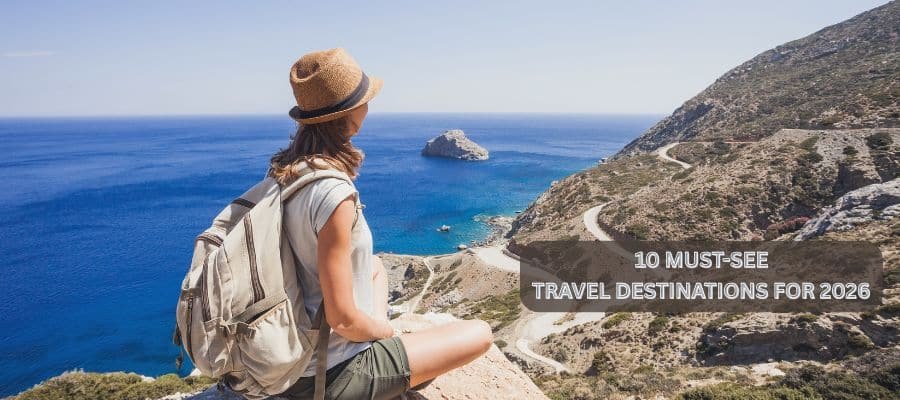
Why These 2026 Destinations Stand Out
Destinations for 2026 are all about real experiences, respecting the planet, and places where beauty and history go hand in hand. The best trips next year strike a balance: a little adventure, a little sustainability, and a lot of support for local people.
Emerging Travel Trends for 2026
People are ditching the packed tourist traps. In 2026, smaller cities and nature getaways are stealing the spotlight—think genuine, not gimmicky.
The Indian Himalayas are leading the pack. Picture yourself hiking wild trails one day, then meditating in a centuries-old monastery the next.
Travel styles making waves for 2026:
- Mountain adventures
- Wellness and spiritual escapes
- Eco-tourism in untouched places
- Deep dives into historic cities
- Beaches with real local flavour
Las Vegas is still a magnet, but now it’s the tech and entertainment scene that pulls you in. Okinawa’s got a vibe all its own—tropical beaches plus history you don’t get on mainland Japan.
Cultural and Natural Highlights
Top destinations now put culture front and centre. Marrakech? You’ll get lost in its buzzing souks, age-old palaces, and lush gardens.
Killarney serves up lake views and storied castles, all wrapped in County Kerry’s rolling green. The San Juan Mountains are a paradise for hikers and skiers who want wild, untouched terrain.
Papagayo Peninsula in Costa Rica means Pacific sunsets and wildlife everywhere you look. St Julian’s is more than just a resort—it’s a slice of Mediterranean life, with traditions that linger beyond the beaches.
Sustainability and Local Experiences
In 2026, your travel dollars can actually make a difference. The best destinations give back to the community and protect what makes them special.
Try eco-tours in Costa Rica or the Himalayas, where your visit helps save wildlife and keeps crowds in check. These places work hard to keep the magic alive for the next traveller.
What makes travel sustainable here?
- Tourism run by locals, for locals
- Wildlife conservation efforts you can join
- Staying and eating at local spots
- Nature reserves with smart visitor limits
- Culture that isn’t just for show—it’s real
Panama City and Marbella pull off a tricky balance. You get city perks and easy beach escapes, but nature still has room to breathe.
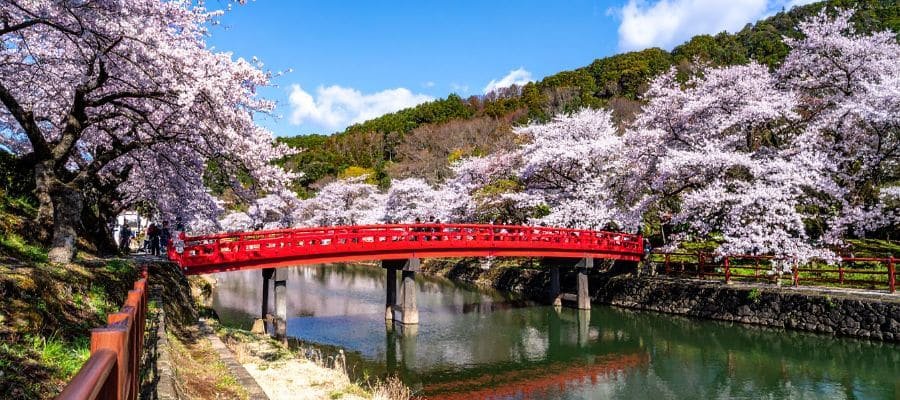
Kyoto: Timeless Tradition and Blossoming Beauty
Kyoto is Japan’s soul—ancient temples, peaceful gardens, and traditions that feel alive. Spring explodes with cherry blossoms, but honestly, every season here has its own magic.
Experiencing Cherry Blossoms in Kyoto
Cherry blossoms usually bloom from late March to early April. The Philosopher’s Path is a must—cherry trees line a quiet canal, and it’s just dreamy.
Maruyama Park glows at night with lanterns strung up for evening picnics. Locals love the Imperial Palace grounds for laid-back hanami under the trees.
Top blossom spots:
- Arashiyama riverside
- Kiyomizu-dera Temple’s hillside
- Nijo Castle gardens
Go early if you want some peace—crowds show up fast. Blossoms last about two weeks, but the timing dances around each year. If you miss spring, autumn’s red maples are just as stunning.
Historic Temples and Tea Houses
Kyoto’s got over 1,600 temples and 400 shrines. Fushimi Inari Taisha’s tunnels of orange gates are a photographer’s dream, especially if you beat the crowds in the morning.
Kinkaku-ji is pure gold—literally—and floats above its pond. Kiyomizu-dera hangs over the city on wooden stilts. Wander Gion for old-school tea houses and maybe spot a geisha slipping down the street.
Book a real tea ceremony if you can. It’s quiet, meditative, and surprisingly moving. Ryoan-ji’s rock garden is all about simplicity—just stones and gravel, but somehow it sticks with you.
Seasonal Events and Local Cuisine
Nishiki Market is five blocks of Kyoto flavours—think yuba, pickles, matcha, everything. Try the grilled mochi or pick up some seasonal sweets.
On the 21st, To-ji Temple’s flea market pops up with vintage kimono, crafts, and antiques. The five-story pagoda towers over everything—hard to miss.
Must-try dishes:
- Kaiseki (seasonal, multi-course feasts)
- Yudofu (simple, comforting tofu)
- Obanzai (home-style veggie dishes)
Menus change with the weather—bamboo shoots in spring, wild mushrooms in fall. Book ahead if you want a table in Pontocho or along the Kamogawa River—these places fill up fast.

Milan: Olympics Excitement and Italian Style
Milan is about to be electric. February 2026 brings the Winter Olympics, and suddenly Italy’s style capital is all about snow sports, art, and food—what a combo.
2026 Winter Olympics in Milan
The Milano Cortina Games run from February 6 to 22. It’s the first time two cities split the Winter Olympics, and Milan kicks it off with a massive opening at San Siro Stadium.
The Olympic Village is rising on Milan’s south side, transforming an old rail yard into the heart of the action. Getting around is a breeze with the metro and special Olympic shuttles.
The whole city comes alive—streets packed with fans, pop-up parties, and restaurants rolling out Olympic-inspired menus. You don’t have to love sports to soak up the buzz.
Fashion, Art, and Culinary Delights
Milan is fashion central—designer shops line Via Montenapoleone and the Quadrilatero della Moda. Da Vinci’s The Last Supper hides in Santa Maria delle Grazie, but you’ll need to book way ahead to see it.
The Duomo’s spires cut the skyline, and the rooftop views are unreal. La Scala’s opera stage is legendary—catch a show or just tour the museum if you can.
Food here is next level: risotto alla milanese, cotoletta, ossobuco. Michelin stars sparkle all over town, but the local trattorias serve up the real deal. Aperitivo hour is a ritual—order a drink in Navigli or Brera and the snacks just keep coming.
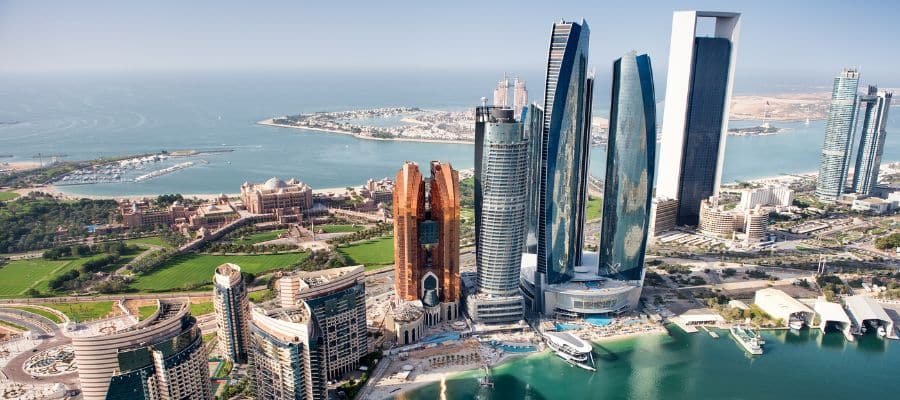
Abu Dhabi: A Cultural Renaissance
Abu Dhabi is rewriting the rulebook for culture lovers. The Saadiyat Cultural District is filling up with world-class museums and mind-blowing architecture.
Louvre Abu Dhabi is already open and dazzling. Soon, the Zayed National Museum and Guggenheim Abu Dhabi will join the party, making this the Middle East’s ultimate arts hub.
Saadiyat Cultural District Unveiled
This district is a game-changer. Saadiyat Island packs multiple museums and art spaces into one walkable waterfront zone.
Stroll along pedestrian paths between bold modern buildings, public art, and performance spaces. Every museum has its own vibe, but together they create something totally unique.
There’s more than just galleries—artist residencies, conservation labs, and creative workshops buzz with activity. This place is about making and sharing art, not just looking at it.
Discovering the Louvre Abu Dhabi
Louvre Abu Dhabi opened in 2017 and instantly became a must-see. Jean Nouvel’s dome scatters sunlight like a rain of stars—it’s unreal in person.
Inside, 12 galleries take you on a journey from ancient civilizations to modern art. The layout is thematic, not chronological, so you might find a Greek statue next to a Chinese scroll or a Picasso.
The museum borrows treasures from 13 French institutions, including the Paris Louvre. Highlights? Da Vinci’s La Belle Ferronnière, ancient Egyptian relics, and bold contemporary installations.
You’ll wander through centuries of creativity, seeing how art connects people across time and culture. It’s a feast for the senses and the soul.
Showcasing the Zayed National Museum
The Zayed National Museum will honour the UAE’s founding father, Sheikh Zayed. Foster + Partners designed it with towers shaped like falcon feathers—a nod to the country’s heritage.
Inside, interactive exhibits and personal artefacts tell the story of the UAE’s rise. You’ll get a feel for Sheikh Zayed’s vision and how he shaped the nation.
Galleries cover everything from Emirati traditions to the country’s wild transformation. Immersive displays and storytelling bring history to life—kids and adults alike will find something to love.
Anticipating the Guggenheim Abu Dhabi
The Guggenheim Abu Dhabi is set to be the biggest in the world. Frank Gehry’s design is all curves and drama, inspired by traditional wind towers.
This museum will focus on contemporary and modern art, especially from the Middle East, North Africa, and South Asia—artists you rarely see in Western galleries.
With over 42,000 square meters of gallery space, there’s room for everything from tiny works to massive installations. Outdoor terraces and performance spots spill the experience outside.
The opening date is still a bit of a moving target, but anticipation is sky-high. The Guggenheim will put Abu Dhabi on the global art map for good.
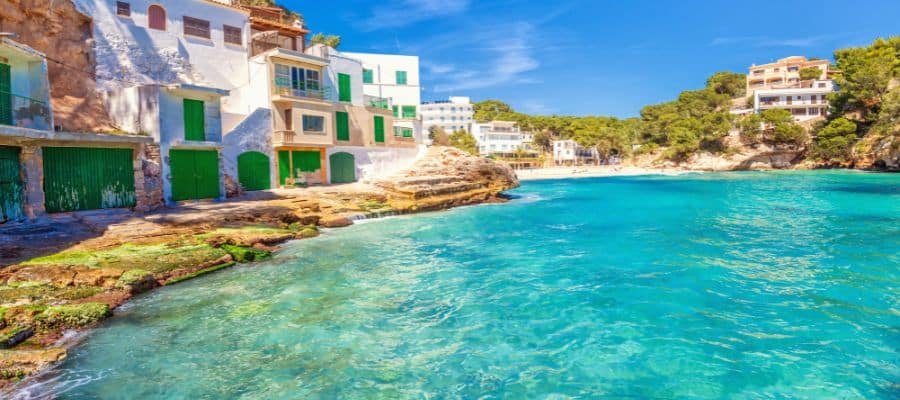
Mallorca: Mediterranean Charms and Coastal Escapes
Mallorca is Spain’s island gem—sunny coastlines, rugged mountains, and villages that feel frozen in time. You’ll find white-sand beaches like Es Trenc, ancient caves, and the wild peaks of the UNESCO-listed Serra de Tramuntana.
Ready to start planning the adventure you’ll be raving about for years? Don’t wait—head over to Expedia and discover your next unforgettable destination. The world’s waiting, and these experiences won’t book themselves!
Sun-Soaked Beaches and Rustic Villages
Some of the Mediterranean’s finest beaches are scattered along Mallorca’s wild coastline. Es Trenc Beach, for example, stretches out with soft white sand and water so clear it almost looks unreal.
This spot stays mostly untouched, with dunes and natural beauty instead of hotels and crowds. If you’re after a quieter escape, it’s hard to beat.
Cala Mondragó Natural Park protects two hidden coves on the island’s southeastern edge. You can swim in calm blue water or wander the coastal trails through fragrant Mediterranean plants.
The island’s villages have a vibe all their own. Valldemossa sits tucked in the Serra de Tramuntana mountains, where Chopin once stayed at the old monastery.
Here, cobblestone streets wind past stone houses and old-school cafés. It’s got that storybook feel people dream about.
Alcúdia Old Town keeps its medieval walls and narrow streets, leading you to market squares and ancient churches. There’s something magical about getting lost here.
Palma de Mallorca, the island’s capital, is home to the dramatic Gothic Palma Cathedral and the round Castell de Bellver. The Old Town buzzes with cafés and shops, perfect for wandering and people-watching.
Adventure and Outdoor Pursuits
The Serra de Tramuntana mountains cut across northwestern Mallorca. This UNESCO World Heritage Site offers hiking and cycling through rocky peaks and green valleys.
On a clear day, the winding roads reveal sweeping views of the Mediterranean below. It’s the kind of scenery that sticks with you.
Cap de Formentor juts out from the island’s northern tip. You can drive the winding road to the lighthouse, stopping at cliffside viewpoints that’ll make your jaw drop.
Underground, the Cuevas del Drach near Porto Cristo reveal vast caverns filled with stalactites and stalagmites. Tours include a classical music concert—played from boats gliding across Lake Martel, one of the world’s largest underground lakes.
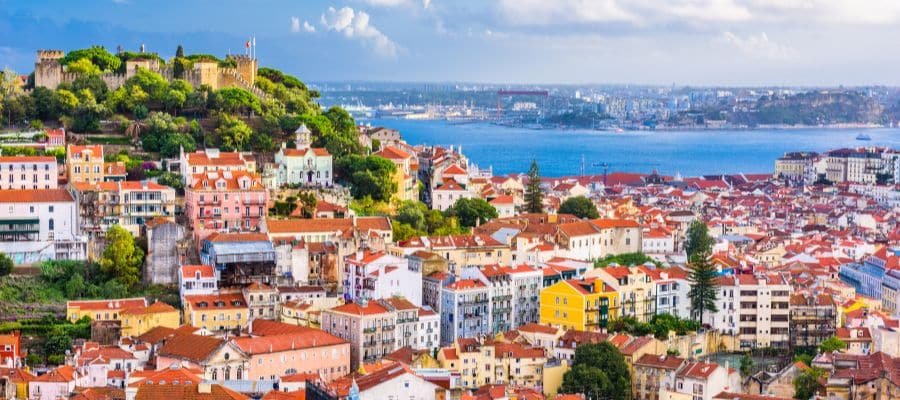
Lisbon: A City of Nostalgia and Modernity
Lisbon blends old-world charm with a fresh, creative energy. You’ll spot Gothic monasteries, 16th-century towers, and a food scene that’s all about local flavors and Portuguese tradition.
Iconic Architecture and Views
The Jerónimos Monastery is Lisbon’s architectural gem. Built in 1502 with spice trade riches, it’s a World Heritage site that flaunts Manueline Gothic style—stonework inspired by the sea and Portugal’s adventures abroad.
Vasco da Gama’s tomb rests here, and the cloisters are a masterclass in craftsmanship. It’s honestly hard not to be impressed.
Belém Tower rises from the Tagus River, a symbol of Portugal’s Age of Discovery. This 16th-century fortress once guided explorers as they sailed out to map the world.
St. George’s Castle stands on Lisbon’s highest hill. The Visigoths built the first walls, and the Moors expanded them centuries later. Walk the ramparts for panoramic city views—seriously, bring your camera.
Portas do Sol Viewpoint gives you the best angle on old Lisbon. White church towers, colorful houses, and domes spill down the hillside toward the river. It almost feels more like a Mediterranean village than a capital city.
Culinary Discoveries and Farm-to-Table Experiences
Lisbon’s food scene is all about tradition and fresh, local ingredients. Markets and restaurants connect you straight to Portugal’s rich farmland.
Time Out Market gathers Lisbon’s top chefs and food stalls under one roof. You can sample everything from classic bacalhau to modern takes on Portuguese favorites, all using what’s in season.
Lx Factory turns a former industrial space into a food lover’s paradise. Weekend markets bring in farmers and artisans, while restaurants and cafés keep the old industrial vibe but serve up dishes made with ingredients sourced nearby.
The Ribeira Market has been the city’s main food market since 1892. Local vendors sell fish, meat, cheese, and produce every day—so you get the same top-quality ingredients as Lisbon’s best chefs.
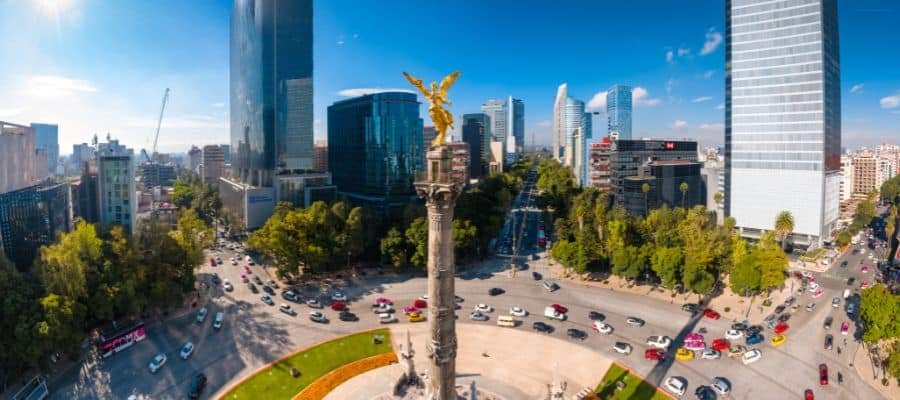
Mexico City: Cultural Crossroads and Gastronomic Thrills
Mexico City draws millions with its mashup of ancient history and modern flair. The city bursts with world-class museums, historic buildings, and a food scene that spans taco stands to Michelin stars.
Vibrant Art Scene and Neighbourhoods
Each Mexico City neighborhood has its own creative pulse. At Casa Estudio Luis Barragán, you’ll see the genius of Mexico’s most iconic architect. The Museo Frida Kahlo lets you peek inside the artist’s famous blue house, filled with her life and art.
In Polanco, you’ll find high-end shops and bold architecture at Museo Jumex and Museo Soumaya. Roma Norte’s boutique hotels and leafy streets are made for café hopping. Condesa, with its art deco buildings and parks, feels more laid-back and local.
Street art pops up everywhere, and Diego Rivera’s murals at Palacio de Bellas Artes are legendary. The building itself is a blend of Art Nouveau and art deco, which is pretty unique. For something different, catch Lucha Libre wrestling at Arena Coliseo or float down the ancient canals at the Floating Gardens of Xochimilco.
Dining Trends and Local Specialities
Mexico City’s dining scene is world renowned. At Quintonil, chefs use Mexican ingredients with a modern twist, while Pujol serves up a taco omakase experience you’ll talk about for years.
Farm-to-table spots like Máximo Bistrot change their menus with the seasons. And street food? It’s everywhere. Try birria at Tacos Don Juan, barbacoa at Los Tres Reyes, or al pastor at Tacos Del Valle. Locals flock to Contramar for seafood and long, leisurely lunches.
Popular dining experiences include:
- Masala y Maíz – where Mexican, Indian, and East African flavors collide
- Rosetta – delivers regional Mexican ingredients in creative ways
- Expendio de Maíz Sin Nombre – a no-menu taco spot full of surprises
- Churrería El Moro – classic churros and hot chocolate, perfect anytime
The city’s cocktail scene is buzzing, too. Check out mezcalerías and secret bars like Hanky Panky or the moody, candlelit Ticuchi.

Wine Country Escapes: Flavours of Oregon
Oregon’s Willamette Valley is a paradise for wine lovers. Over 700 wineries, just an hour from Portland, pour world-class Pinot Noir and serve up farm-fresh cuisine that shows off the Pacific Northwest’s bounty.
Exploring McMinnville’s Wine Trail
McMinnville is the heart of Oregon wine country, with tasting rooms ranging from cozy family spots to grand estates. Tasting fees usually run between £8 and £24, so you can try plenty without breaking the bank.
The region’s volcanic soils and cool weather are perfect for Pinot Noir. Most wineries welcome visitors year-round, but spring and autumn are especially comfortable for touring.
You can hit several tasting rooms in one day, since everything’s close by. Many wineries offer tours of their vineyards and cellars, not just tastings. Book ahead if you’re coming between May and October—it gets busy.
The Wine Touring Guide lists over 500 tasting rooms across seven Oregon regions. McMinnville’s downtown is compact, so you can walk from one tasting to the next without needing a car.
Farm-to-Table Dining and Local Produce
Oregon wine country restaurants get their ingredients straight from local farms. Menus shift with the seasons, so you’ll always taste what’s freshest.
The Willamette Valley grows more than just grapes—think hazelnuts, berries, veggies, and grass-fed meats. Many wineries even have their own gardens or team up with nearby farmers to supply their kitchens.
Chefs here keep things simple, letting the ingredients shine. Farmers’ markets in McMinnville and nearby towns give you a chance to snag the same produce top chefs use.
Some wineries offer food pairing experiences—think local cheese and charcuterie matched to their wines. It’s a delicious way to see how Oregon’s food and wine traditions go hand in hand.
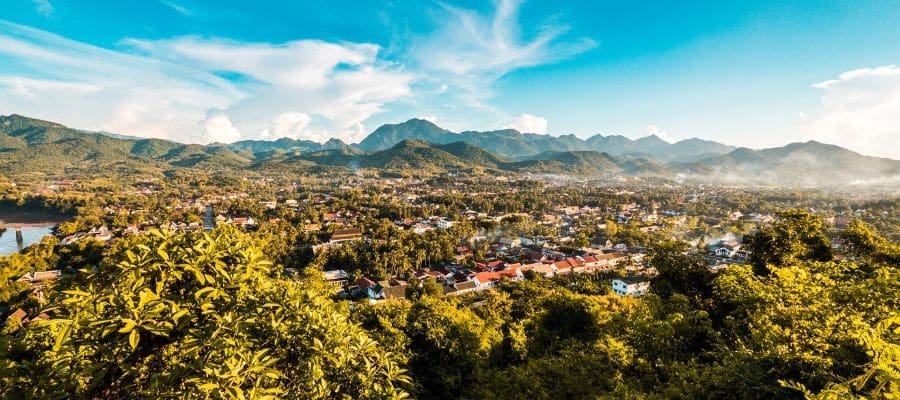
Luang Prabang: Tranquillity in Southeast Asia
Luang Prabang sits where the Mekong and Nam Khan rivers meet in northern Laos. This UNESCO World Heritage town blends French colonial charm with golden Buddhist temples. You can witness daily alms-giving ceremonies or chase waterfalls nearby.
Temples and Heritage Sites
Luang Prabang has over 30 Buddhist temples, each with its own character and artistry. Wat Xieng Thong is the crown jewel, with its famous Tree of Life mosaic and sweeping roofs that almost touch the ground.
Mount Phousi rises above the town. Climb the 328 steps to Wat Chom Si at the summit for panoramic views over the rivers and mountains. It’s a bit of a workout, but worth every step.
The Royal Palace Museum preserves the former royal home. Inside, you’ll see the Phra Bang Buddha, religious treasures, and rooms left just as they were in the monarchy’s final days. No photos allowed, so you’ll have to remember it the old-fashioned way.
Wat Wisunarat dates back to 1513 and is the oldest temple in Luang Prabang. Its round ‘Watermelon Stupa’ is instantly recognizable.
Cultural Encounters and Night Markets
Every morning before sunrise, Buddhist monks walk the streets for the alms-giving ceremony. Locals and visitors offer sticky rice and food, but you’ll need to dress modestly and keep quiet to show respect.
The night market takes over Sisavangvong Road from 5pm to around 10pm. It’s packed with handwoven textiles, silver jewelry, bamboo lamps, and Lao crafts. Prices are usually better than in Thailand or Vietnam, but bargaining is part of the fun.
Cooking classes teach you to make laap (minced meat salad), tam mak hoong (papaya salad), and sticky rice—often starting with a market visit and ending with recipes you can actually bring home.

Unforgettable Nature: Namibia’s Kaokoland and Zimbabwe’s Mana Pools
Ready for real adventure? Kaokoland and Mana Pools deliver wild African landscapes and stories you’ll tell forever. Kaokoland stuns with desert scenery and ancient cultures, while Mana Pools offers wildlife encounters along the mighty Zambezi River.
Kaokoland: Desert Adventures and Himba Culture
Kaokoland lies in northwestern Namibia’s Kunene Region, stretching from the Kunene River down to the Hoanib. You’ll need a four-wheel-drive to get around—this is serious off-the-grid territory.
The terrain is wild: mountains, deserts, big open valleys. Desert elephants roam here, sometimes trekking up to 200 kilometers for water. Their home ranges cover about 3,000 square kilometers, which is just mind-blowing.
The Ovahimba people still live a semi-nomadic life. Women use a mix of butter fat, herbs, and ochre to protect their skin from the sun and bugs. You can visit the Ovahimba Living Museum, about 40 kilometers north of Opuwo on the C43 road, for a real glimpse into their way of life.
Epupa Falls is the star attraction. The Kunene River tumbles 60 meters over 1.5 kilometers, creating cascades and pools shaded by palms and wild fig trees. It’s the kind of place you’ll want to linger.
So, what are you waiting for? The world’s most unforgettable destinations are just a few clicks away. Start planning your next adventure with Expedia—and get ready to make memories you’ll talk about for years. Your secret travel story starts now.
Mana Pools: Epic Wildlife and Untamed Safaris
Mana Pools National Park stretches along the southern bank of the Zambezi River in northern Zimbabwe. The park covers 2,196 square kilometres of wild floodplains and woodlands.
Here, you can actually walk among big game—something you just can’t do in most African parks. Elephants, lions, leopards, and African wild dogs roam these lands.
During the dry season (May to October), animals crowd the riverbanks. This makes wildlife viewing pretty spectacular, honestly.
The park’s name? It comes from four massive pools left behind by the Zambezi’s ancient channels. These pools draw hippos, crocodiles, and a jaw-dropping array of birds.
More than 350 bird species call Mana Pools home. If you’re a birder, you’ll never want to leave.
Canoe safaris give you a totally different perspective. Imagine paddling past elephants sipping at the edge or hippos half-submerged in the shallows.
Professional guides lead walking safaris here, so you can get close to wildlife in their own backyard. It’s the kind of adventure you’ll talk about for years.
Unique Experiences and Special Events in 2026
2026 is shaping up to be wild for travelers—think rare celestial shows, natural wonders, and new ways to cruise the world’s oceans in serious style.
Total Solar Eclipse Viewing Spots
A total solar eclipse will sweep across parts of Europe on August 12, 2026. It’s one of those once-in-a-lifetime moments, and the path of totality cuts through Iceland, western Spain, and northern Portugal.
Iceland’s remote landscapes and lack of light pollution make it a dream spot to catch the eclipse. Reykjavik works, but heading out to the countryside? Even better.
Spain’s northern coast is tempting too. Cities like Bilbao and Santander land right in the path, so you can mix eclipse-chasing with Basque food and culture.
Northern Portugal offers another option, with warmer weather if Iceland’s chill isn’t your thing. The eclipse itself will last about two minutes at its peak—blink and you’ll miss it.
Hotels fill up fast for these events, so book early if you want a front-row seat.
The Allure of the Blue Lagoon
Iceland’s Blue Lagoon keeps popping up on bucket lists, and for good reason. Those milky-blue waters stay toasty between 37-39°C all year, thanks to volcanic heat bubbling up from below.
Silica and algae in the water give the lagoon its unreal color. Supposedly, the minerals are great for your skin too.
You can get an in-water massage, grab a drink at the swim-up bar, or try out different bathing areas. The Retreat Spa offers a more private, upscale experience if you’re in the mood to splurge.
Visit in winter and you might even catch the Northern Lights swirling overhead while you soak. Now that’s a story to tell.
New Four Seasons Yachts Itineraries
Four Seasons Yachts launched its first ship in early 2026. It’s a new spin on luxury ocean travel, with just 95 suites onboard—so you’ll never feel crowded.
Mediterranean itineraries focus on smaller ports where big cruise ships can’t go. Think secret coves on the Italian Riviera, tucked-away Greek islands, and Croatian harbors you’ve probably never heard of.
Every stop includes curated shore experiences designed by the Four Seasons team. It’s not your typical cruise.
In the Caribbean, winter routes offer escapes to private beaches and hidden islands. The yacht’s shallow draft lets it reach anchorages that bigger ships can only dream about.
Your fare covers meals, drinks, and all the water sports toys—so you won’t get nickel-and-dimed at every turn.
Frequently Asked Questions
Planning a trip for 2026? You’re not alone. Travelers keep asking about new hotspots, unique adventures, safety, hidden gems, eco-friendly options, and where to take the whole family.
What are the top emerging travel hotspots to visit in 2026?
South Korea is on fire right now. The country welcomed over 16 million tourists in 2024—a whopping 48.4% jump. Seoul and Busan are still the main draws, but new rail lines make it easier to reach places like Donghae and Gyeongju.
The Dominican Republic is stepping up its game, too. Punta Cana just got new luxury hotels like the W and St Regis, and a Four Seasons is opening in Samana Bay in 2026. The island’s going all in on its natural beauty, from rainforests to highlands.
Miches, on the northeast coast, gives you access to Los Haitises National Park. You can hike Redondo Mountain or spot humpback whales in Samana Bay between January and April.
Which travel destinations will offer the most unique experiences next year?
The total solar eclipse on August 12, 2026, is a can’t-miss. Reykjavík, A Coruña, Bilbao, Mallorca, Menorca, and Ibiza all sit right in the path where the moon completely blocks the sun. Even Barcelona, Madrid, and Santiago de Compostela will see impressive partial eclipses.
In Brazil’s Pantanal wetlands, you might spot jaguars, giant anteaters, tapirs, maned wolves, and giant river otters. The Amazon Basin is still the world’s top spot for rainforest and river adventures.
Philadelphia is throwing a massive party for the 250th anniversary of the Declaration of Independence on July 4, 2026. The city’s historic sites and its role as a FIFA World Cup host make it a place to watch.
What are the safest travel destinations to consider for solo travellers in 2026?
Northumberland in England is all about space. With just 170 people per square mile, you’ll find peace and quiet in Northumberland National Park, which covers 405 square miles and barely 2,000 residents. The College Valley only lets in 12 cars a day, so it stays tranquil.
Mantua, Italy, is a safe, manageable alternative to the tourist crush in bigger cities. Its medieval center is compact, full of arcaded streets and cobbled alleys, and you can walk everywhere. Plus, you’re just a short train ride from Verona, Vicenza, Parma, and Modena.
South Korea keeps improving its tourist infrastructure. English is more widely spoken, and T-money and WOWPASS cards make getting around a breeze. The train network connects the whole country in just a few hours.
Are there any underrated destinations that are expected to become popular in 2026?
Mantua is still flying under the radar, even with its Renaissance palaces and art. The Palazzo Ducale has 1,000 rooms with Mantegna frescoes, and the Palazzo Te is a Mannerist gem. The lakes and canals give the town a dreamy vibe, and it’s a UNESCO World Heritage Site.
Northumberland is criminally underrated. The National Park turns 70 in 2026, and Kielder Forest—England’s largest—hits its 100th birthday. Nine new Reiver Trails now link Kielder with Hadrian’s Wall, making it a hiker’s paradise.
Gda?sk in Poland keeps a low profile compared to other European cities. Its historic architecture and Baltic Sea access mean you get the charm without the crowds.
What destinations are offering sustainable and eco-friendly travel options for 2026?
Northumberland’s College Valley limits cars to protect the air. Only 12 vehicles get in daily. The new Reiver Trails welcome cyclists, walkers, horseback riders, and soon, routes for wheelchairs and buggies.
Brazil is doubling down on rainforest conservation and sustainable tourism after hosting COP30 in Belém in late 2025. Prince William even visited Rio to highlight the country’s environmental initiatives.
Kielder Castle in Northumberland reopens in summer 2026 as a revamped visitor hub. The forest sets an example for sustainable land management, and the National Park’s dark sky protections keep the environment—and stargazing—top-notch.
Ready to make 2026 your most unforgettable travel year yet? Don’t wait—start planning your adventure now at Expedia. The world’s best-kept secrets are waiting. Why not be the one to discover them first?
Which family-friendly travel destinations should be on our radar for 2026?
The solar eclipse lands right in the middle of UK school summer holidays—August 12, 2026. If you’ve got school-age kids, this is a rare chance to catch totality together.
Spanish islands like Mallorca, Menorca, and Ibiza? They’re calling. You get the eclipse, plus classic beach days and warm Mediterranean nights. And honestly, the next European eclipse won’t happen again until 2053, so why wait?
Philadelphia mixes learning and fun in a way that’s honestly hard to beat. Independence National Historical Park lets you walk through American history, with sights like the Liberty Bell and other 1776 landmarks.
The Philadelphia Museum of Art is a real treat—one of the best in the country. The city’s also buzzing with energy during the World Cup matches in June and July, so you can soak up the excitement on and off the field.
The Dominican Republic’s shaking off its old reputation as just a spot for all-inclusives. Now, families can wander through Los Haitises National Park or hike up Redondo Mountain near Miches.
Between January and April, Samana Bay turns into a whale-watching paradise. If you’re after a splash of luxury, new resorts like the Four Seasons are rolling out the red carpet for families who want a little extra comfort.
Ready to make memories that’ll have your family talking for years? Don’t just dream about it—start planning your next adventure now at Expedia. Your secret travel story is waiting!
Why not start planning your next trip now?
There are many incredible places to visit around the world. Where would you like to go, dear reader?
Wherever it is, your trip won’t happen unless you make it happen. And to make it happen, it starts with planning.
So, with a new year upon us, start your planning now.
At least take a look at what it would cost? Looking costs nothing and, if nothing else, it can be fun. It it might all be a lot cheaper than you think.
So, go on, take a look now.

Roy Sutton is a writer, content creator, digital entrepreneur, and international traveller. Formerly, a CEO, corporate business executive, management consultant, and electronic systems engineer with a background in telecommunications and IT. His blog aims to both inspire readers to achieve their best lives and entertain them with the humour we all crave.
Please share this post with your friends:
Did you find this article interesting and useful?
If so, please share it on social media with your friends.
When you share, everyone wins.
So, go on, please share it right now. If you do, I will be forever grateful.
Thank you, dear reader.
Other articles you might also find interesting:
- Best Places to Take a Vacation on a Budget: Top Affordable Destinations and Tips
- Vacation on a Budget: Smart Ways to Plan and Save on Travel
- 10 Incredible Christmas Markets Around the World: A Comprehensive Guide
- Hidden Beaches in Portugal for Couples: The Ultimate Guide
- Saily eSIM Review: Features, Security, and Value for Travellers
- Is Expedia Legit? A Trusted Guide for Travellers
- Travel Ideas: Top Destinations for Fall 2025
- Best Places to Visit at Christmas: Top Destinations
- 5 unique travel experiences worth considering
- Top 10 Places to Visit in New York: Essential Attractions
- Top 10 Places to Visit in Jordan: Essential Attractions Guide
- The secret to happiness
DISCLOSURE: This post contains affiliate links; no additional charge to you; commissions support the cost of maintaining this website. Thank you for your support.
© Mann Island Media Limited 2025. All rights reserved.
